Square Balers: Engineering Precision for Modern Agricultural and Industrial Baling Operations
A complete technical guide for buyers, engineers and farm managers across the United Kingdom — covering working principles, materials, performance parameters, application scenarios, and procurement intelligence.
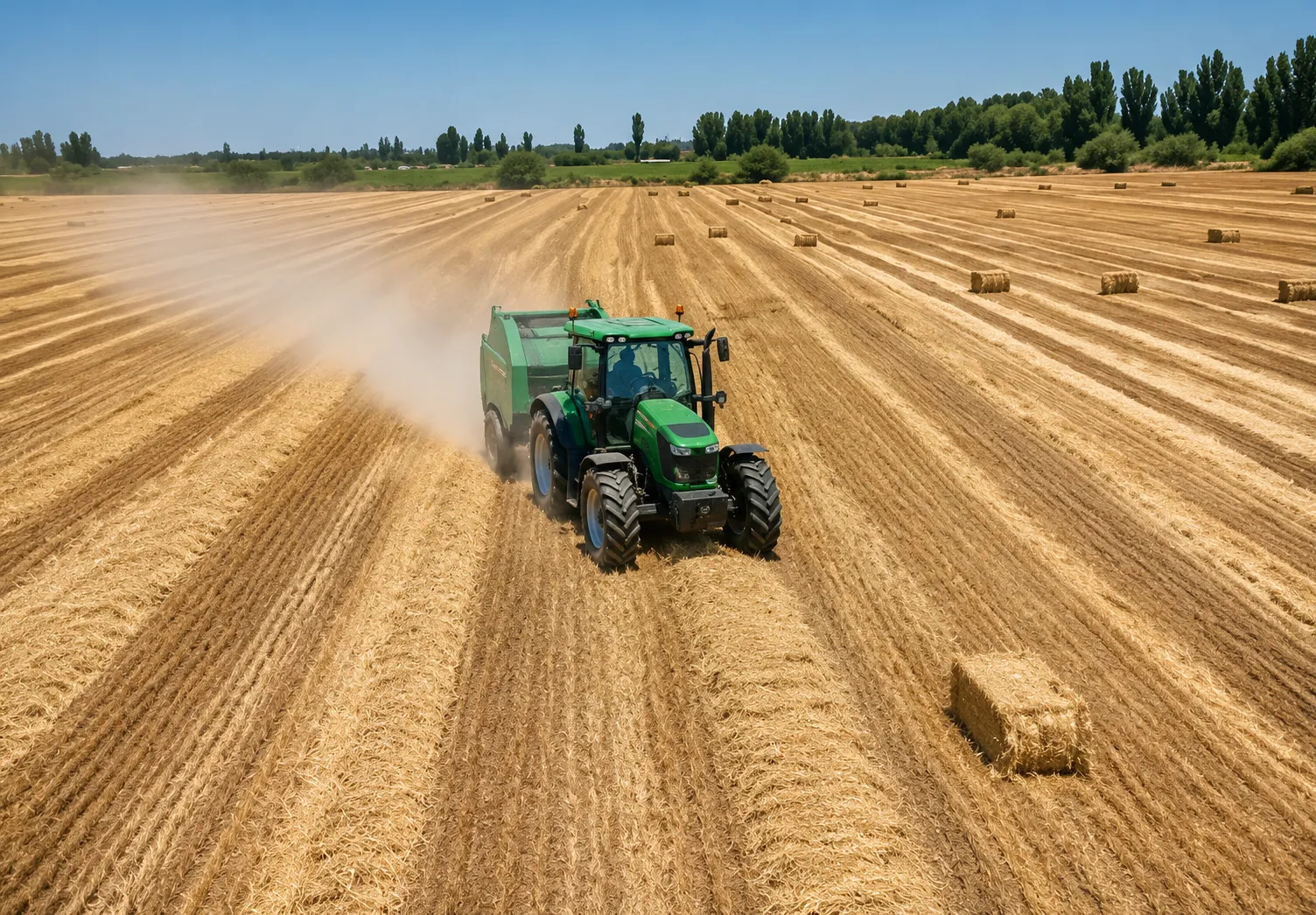
How a Square Baler Works: The Mechanical Cycle Explained
Pick-up and Crop Feeding
The baling cycle begins as the pick-up reel — fitted with hardened spring-steel tines arranged in a staggered pattern — lifts windrowed crop from the ground surface. The tines rotate at a speed precisely matched to forward travel velocity, minimising leaf shatter and crop loss. Crop is then conveyed by an auger or cross-conveyor into the pre-compression chamber, where material is gathered into a consistent flake. This uniform flake formation is critical: inconsistent feeding is the most common cause of bale density variation and knotter failures in the field. On high-capacity square balers designed for heavy wheat straw in Lincolnshire or ryegrass in Hampshire, the feed auger width typically spans the full pick-up width — up to 2.2 metres — to handle large windrow volumes without blockage.
Plunger Compaction
Once sufficient material is staged in the pre-chamber, a stuffer fork transfers the crop flake into the main bale chamber, directly in front of the reciprocating plunger. The plunger — driven through a heavy-duty crankshaft and connecting rod mechanism — delivers repeated compaction strokes, typically at 40 to 90 strokes per minute depending on machine model and crop conditions. Each stroke compresses the incoming flake against the previously formed bale section. The plunger force on industrial-grade square balers can exceed 200 kN, generating the internal bale pressure required to achieve densities of 200 kg/m³ or above. In double-chamber designs, a second independent plunger simultaneously forms a second bale, doubling throughput without increasing the machine’s footprint or tractor power requirement proportionally — a major advantage when baling miscanthus or straw for energy biomass contracts in the UK.
Knotting and Ejection
When the bale reaches its preset length — detected via a mechanical or electronic star wheel sensor — the knotter mechanism activates. Twin or triple knotters, depending on bale width, simultaneously loop twine around the bale’s cross-section, forming a secure overhand knot before cutting the strand. Knotter performance is the single most reliability-sensitive system on any square baler; a single missed knot results in an unbound bale that must be re-baled manually, costing time and labour. High-quality knotters machined from case-hardened alloy steel maintain consistent knot geometry across hundreds of thousands of cycles. The completed bale is then pushed rearward by the incoming material and exits through the rear of the bale chamber onto a chute or accumulator system, ready for collection by a bale chase or telehandler on UK farms.
Core Materials: What Determines Square Baler Longevity
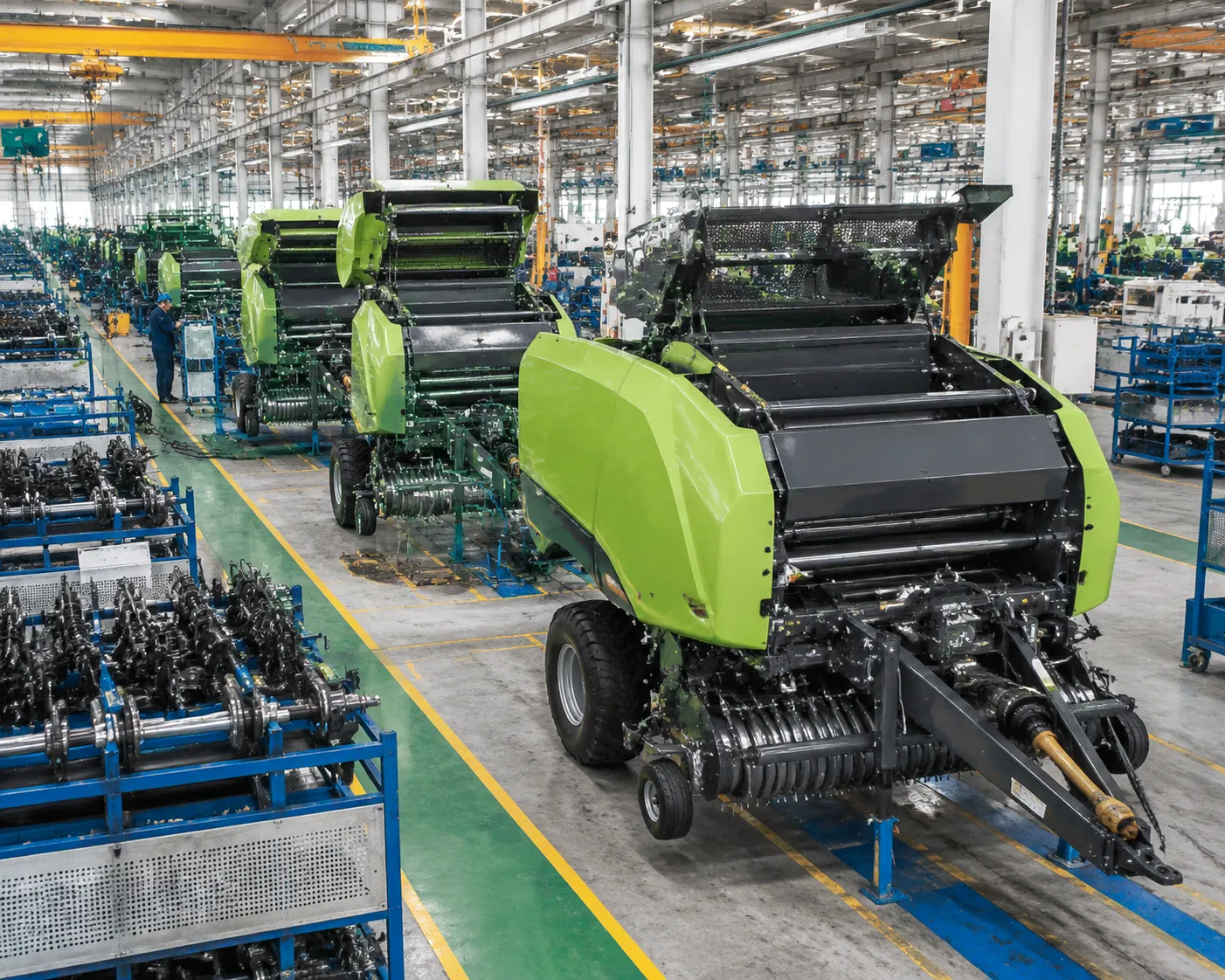
Crankshaft & Connecting Rod
Forged from 42CrMo4 chromium-molybdenum alloy steel, induction-hardened at bearing journals. Tensile strength typically 1000–1200 MPa. Resistant to torsional fatigue under high-frequency plunger load reversals.
Pick-up Tines
Spring-steel wire, oil-tempered and shot-peened. Hardness 44–48 HRC. Designed to deflect on stone contact and return to profile — essential for UK fields with flint-rich soils in East Anglia and chalk regions.
Knotter Components
Case-hardened carbon steel, surface-treated with black oxide or phosphate coating for corrosion resistance. Knotter bill hook machined to ±0.05 mm tolerances for consistent knot geometry across all operating temperatures.
Gearbox & Drivetrain
Cast-iron housings, helical or bevel-helical gear sets in 20CrMnTi carburised steel. Sealed for life or equipped with centralised lubrication circuits. IP65-rated bearing blocks where soil and moisture ingress risk is highest.
Surface Coatings
Two-coat epoxy primer plus polyurethane topcoat system, electrostatically applied. Salt-spray resistance of 500+ hours to BS EN ISO 9227. Provides effective protection against the salt-laden coastal air common in Norfolk and Lincolnshire farm environments.
Core Technical Advantages of the Modern Square Baler
High-Density Compaction
Achieving bale densities between 150 and 250 kg/m³, modern square balers reduce the number of bales per hectare, cutting collection, transport and storage costs substantially. For UK straw merchants supplying the horse bedding market in Surrey or the biomass sector in the East Midlands, higher density directly translates to better payload utilisation on articulated lorries — a commercially critical consideration given current UK fuel and haulage costs.
Uniform Bale Geometry
The rectangular bale profile produced by a square baler is mechanically ideal for palletised storage, container loading, and stacking in farm buildings with defined eave heights — a practical constraint for many traditional stone or brick agricultural buildings found across Yorkshire and the Cotswolds. Consistent width and length dimensions also enable automated bale handling with robotic or programmable telehandler attachments, an increasingly relevant consideration as UK farms address labour availability pressures.
Breites Erntespektrum
A well-engineered square baler handles wheat straw, barley straw, oat straw, hay, haylage, miscanthus, hemp, and silage crop residues without major reconfiguration. Pick-up width, tine pitch, and stuffer fork timing can be adjusted on modern machines to optimise performance across crop types — a key requirement for UK mixed farming enterprises where the same machine must serve both the combine following in August and the grass silage aftermath baling in September.
Reduced Labour Dependency
High-capacity square balers with automatic bale accumulator systems or chaser bin integration allow a single operator to bale, collect, and stack with minimal manual intervention. This single-operator capability is increasingly sought after by UK farm managers managing labour costs following post-Brexit workforce changes, particularly in the horticultural and arable counties of Cambridgeshire, Kent, and Herefordshire.
Low Total Cost of Ownership
Modular component design — where wear items such as knotter bill hooks, tines, and chamber liners are available as individual service parts — dramatically reduces long-term running costs compared to machines requiring assembly-level replacement. Standardised PTO input speeds (540 rpm or 1000 rpm) ensure compatibility with the broad range of tractor models common across UK estates, from older Massey Ferguson 600-series to modern Fendt or Claas tractors with electronic headland management systems.
Technical Performance Parameters — Square Baler Specification Table
| Parameter | Standard Range | High-Performance / Custom | Einheit |
|---|---|---|---|
| Pick-up Width | 1700 – 1900 | 2200+ | mm |
| Bale Chamber Cross-section | 460 × 360 | 600 × 460 (custom) | mm × mm |
| Bale Length (adjustable) | 400 – 1300 | Up to 1500 (custom) | mm |
| Plunger Strokes per Minute | 40 – 70 | Up to 90 | spm |
| Maximum Plunger Force | 120 – 160 | 200 – 240 | kN |
| Bale Density (Wheat Straw) | 150 – 180 | 200 – 250 | kg/m³ |
| PTO Input Speed | 540 | 1000 (optional) | U/min |
| Required Tractor Power | 60 – 120 | 140 – 220 | hp |
| Twine Capacity per Box | 4 – 6 balls | 8 – 12 balls | balls |
| Frame Steel Grade | S355JR | S420 / Hardox 400 inserts | — |
| Throughput Capacity | 10 – 20 | 25 – 40 | t/hr |
| Anzahl der Knoten | 2 | 3 – 4 (wide chamber) | — |
Industrial and Agricultural Application Scenarios
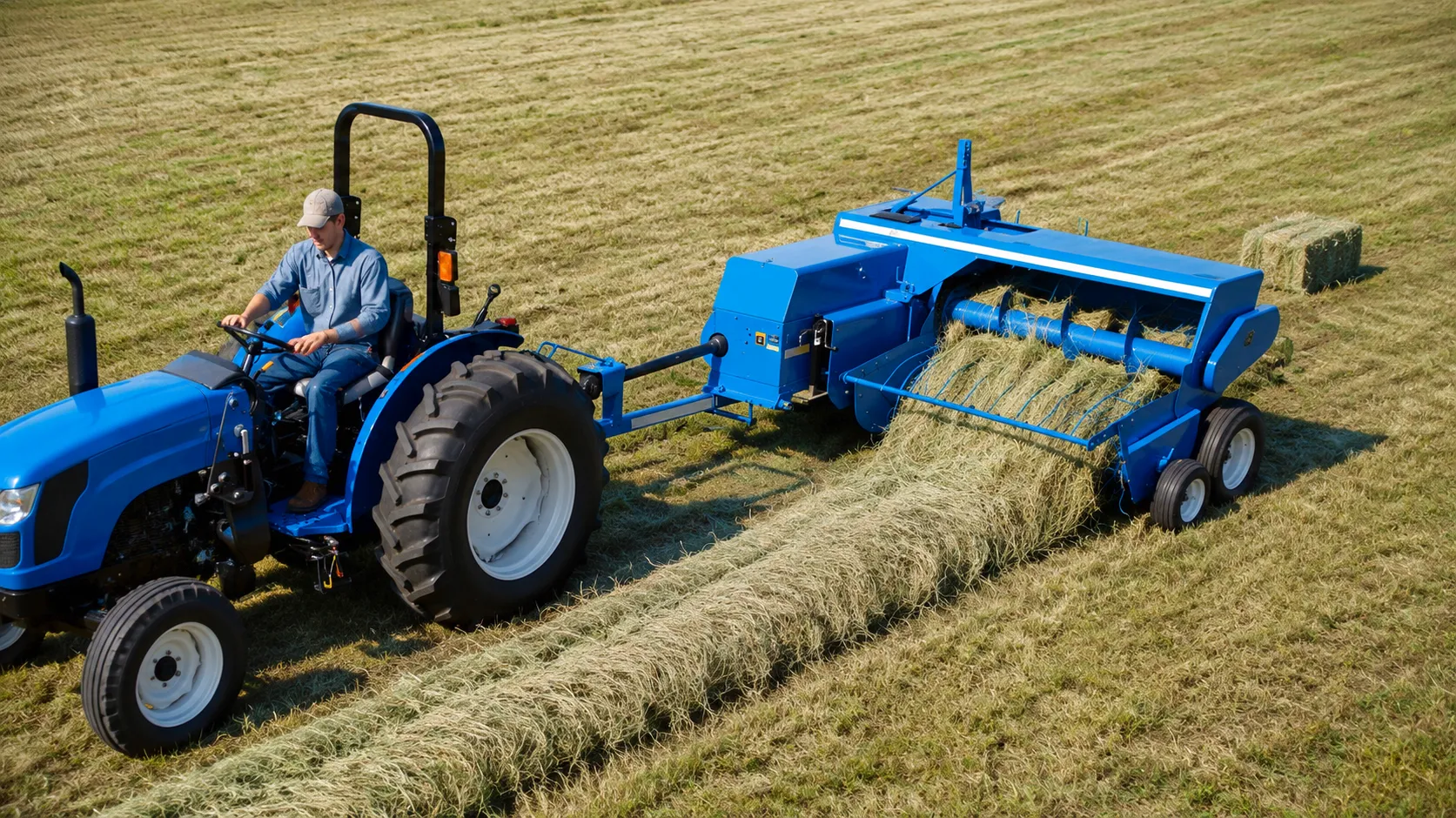
🌾 Cereal Straw Baling — Lincolnshire and Yorkshire Arable Farms
Following winter barley and wheat harvests across Lincolnshire and East Yorkshire, large-scale arable farms generate thousands of tonnes of straw requiring rapid baling before autumn cultivations commence. High-throughput square balers with pick-up widths of 2.2 metres and throughput rates exceeding 30 t/hr allow contractors to clear fields at the pace dictated by the combine harvester. The uniform bale dimensions produced by a well-calibrated square baler are essential for the straw merchants who supply the equestrian sector across the Home Counties, where consistent bale weight and tie security directly affects retail presentation and customer satisfaction.
⚡ Biomass Energy Feedstock — East Midlands Miscanthus Growers
Miscanthus giganteus and energy cane crops grown across Nottinghamshire, Derbyshire, and Leicestershire for biomass power station supply require bales with densities above 200 kg/m³ to make haulage economically viable. Square balers with high-force plunger systems and aggressive pre-compression augers are the preferred choice for contract baling teams working these energy crops. The square bale format also integrates better with the front-end loader feeding systems used at power stations — round bales cause significant material spillage at the intake hopper, while the flat-sided square bale feeds cleanly and predictably into belt conveyor systems.
🐄 Hay and Haylage Production — Welsh Borders and Scottish Uplands
Livestock farms in Wales, Cumbria, and the Scottish Borders rely on hay and haylage as the primary winter feed. Square balers producing small or medium bales — typically 450 × 360 mm cross-section — remain the format of choice for many family-scale livestock enterprises where manual handling and barn stacking by hand or with compact telehandlers is the norm. The precise bale length control available on modern machines allows operators to produce bales that fit their specific barn dimensions and feeding equipment, minimising waste and improving feeding management throughout the winter period.
♻️ Industrial Recycling and Waste Compaction — Birmingham and Manchester
In urban industrial settings — particularly in the manufacturing clusters around Birmingham’s automotive supply chain and Greater Manchester’s textile recycling sector — stationary square balers are used to compact cardboard, paper, textile offcuts, and non-woven industrial fabrics into dense bales for recyclate merchants. The square bale format is ideal for container shipping — bales can be loaded with minimal wasted space compared to round bales, and the tied twine (or wire in industrial variants) holds material security through the rough handling of logistics chains. These applications require machines configured with higher knotter counts and wire-tying capability rather than conventional twine systems.
🌿 Hemp and Industrial Fibre Processing — East Anglian Specialist Growers
The resurgence of industrial hemp cultivation in Suffolk, Norfolk, and Cambridgeshire — driven by demand from the construction insulation, composite materials, and CBD extraction sectors — has created a growing market for square balers capable of handling the uniquely long-stemmed, high-fibre crop. Hemp straw presents specific challenges: it is dense, fibrous, and prone to wrapping around rotating components. Square balers configured with open-throat pick-up designs, widened stuffer forks, and extended pre-compression chambers handle hemp at commercially viable throughput rates while minimising blockage events that would otherwise reduce field efficiency during the narrow harvest window.
Ever Power Manufacturing: Precision Engineering and Custom Baler Solutions
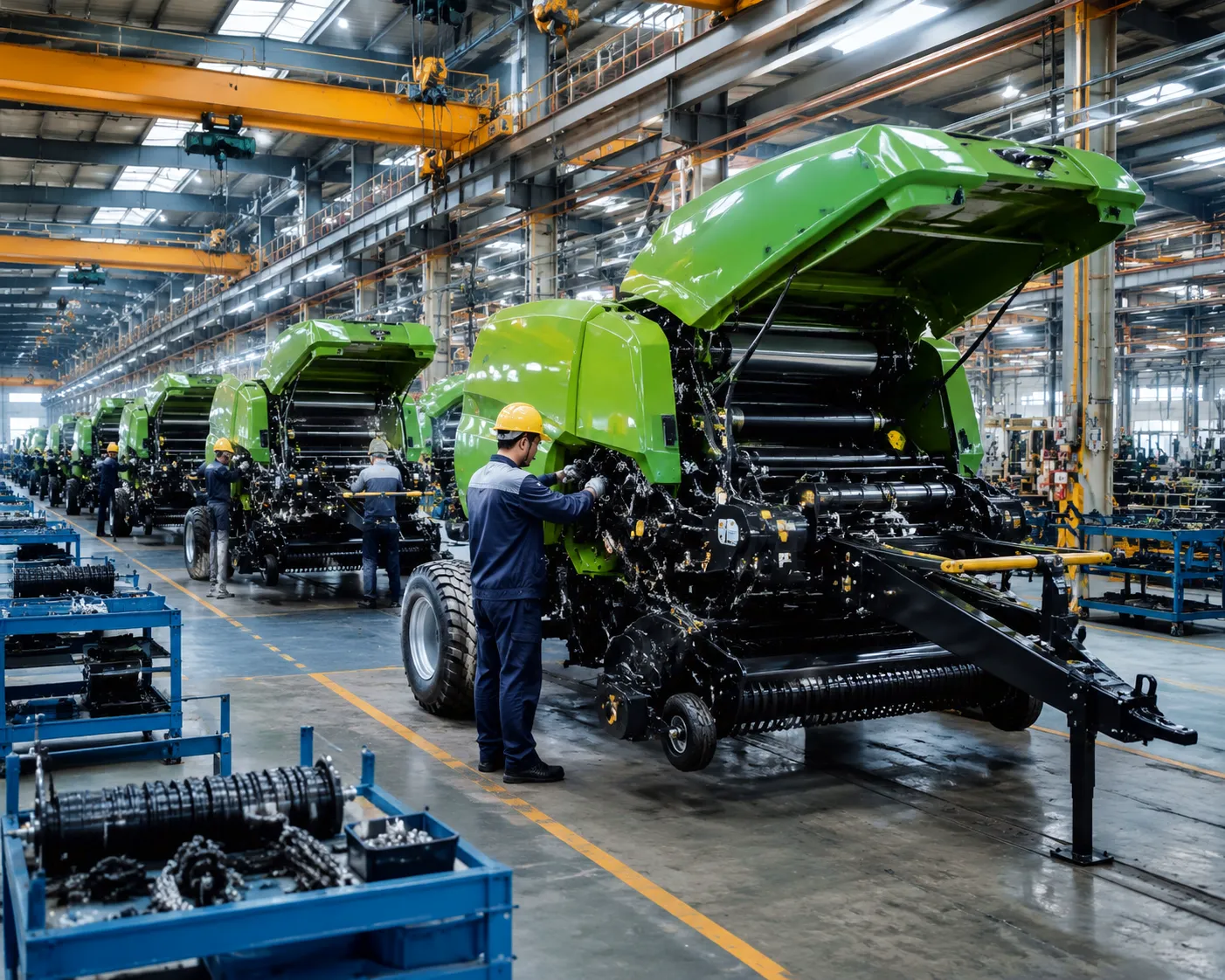
CNC Precision Manufacturing
Knotter components and plunger assemblies machined to ±0.05 mm tolerance on 5-axis machining centres.
Full Customisation Available
Pick-up width, bale chamber size, knotter type, PTO speed, paint scheme — all configurable on request.
Full CE / UK CA Documentation
CE Declaration of Conformity, material test certificates, and English-language operator manuals supplied as standard.
Export-Ready Supply Chain
CIF, FOB, and DAP Incoterms available. Standard delivery to UK ports including Felixstowe and Southampton, with logistics documentation support.
Featured Ever Power Square Baler Models
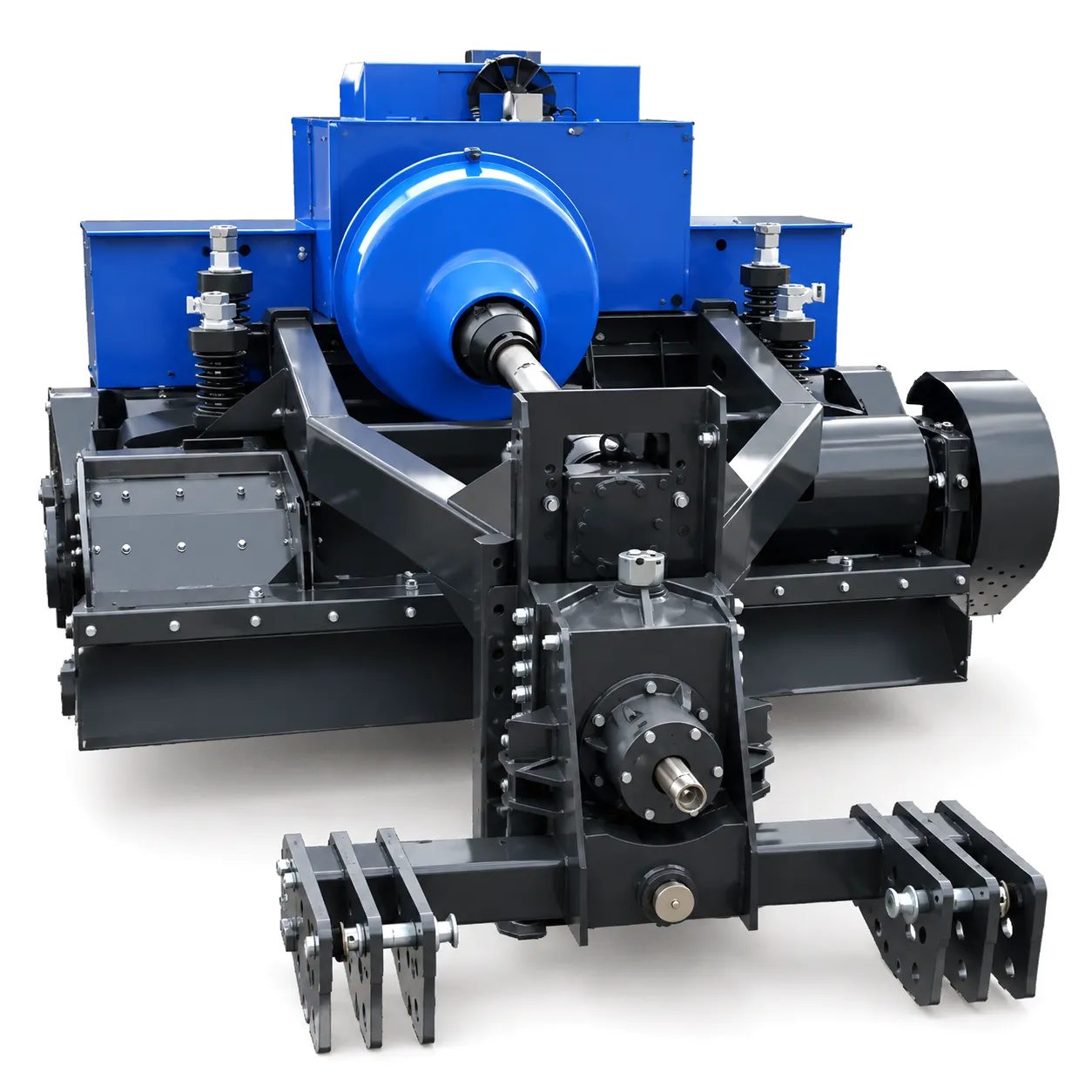
9YF-2200/1900/1700 Quaderballenpresse
A versatile, high-throughput square baler available in three pick-up widths — 1700 mm, 1900 mm, and 2200 mm — to suit farms and contractors of all scales. The machine features a robust twin-knotter system, adjustable bale length control, and a heavy-duty plunger mechanism capable of achieving the high-density bales demanded by UK biomass buyers and straw merchants alike. Compatible with a wide range of tractor horsepower ratings and standard 540 rpm PTO inputs, this model is a practical, cost-efficient choice for year-round commercial baling operations across the UK’s diverse arable and grassland regions.
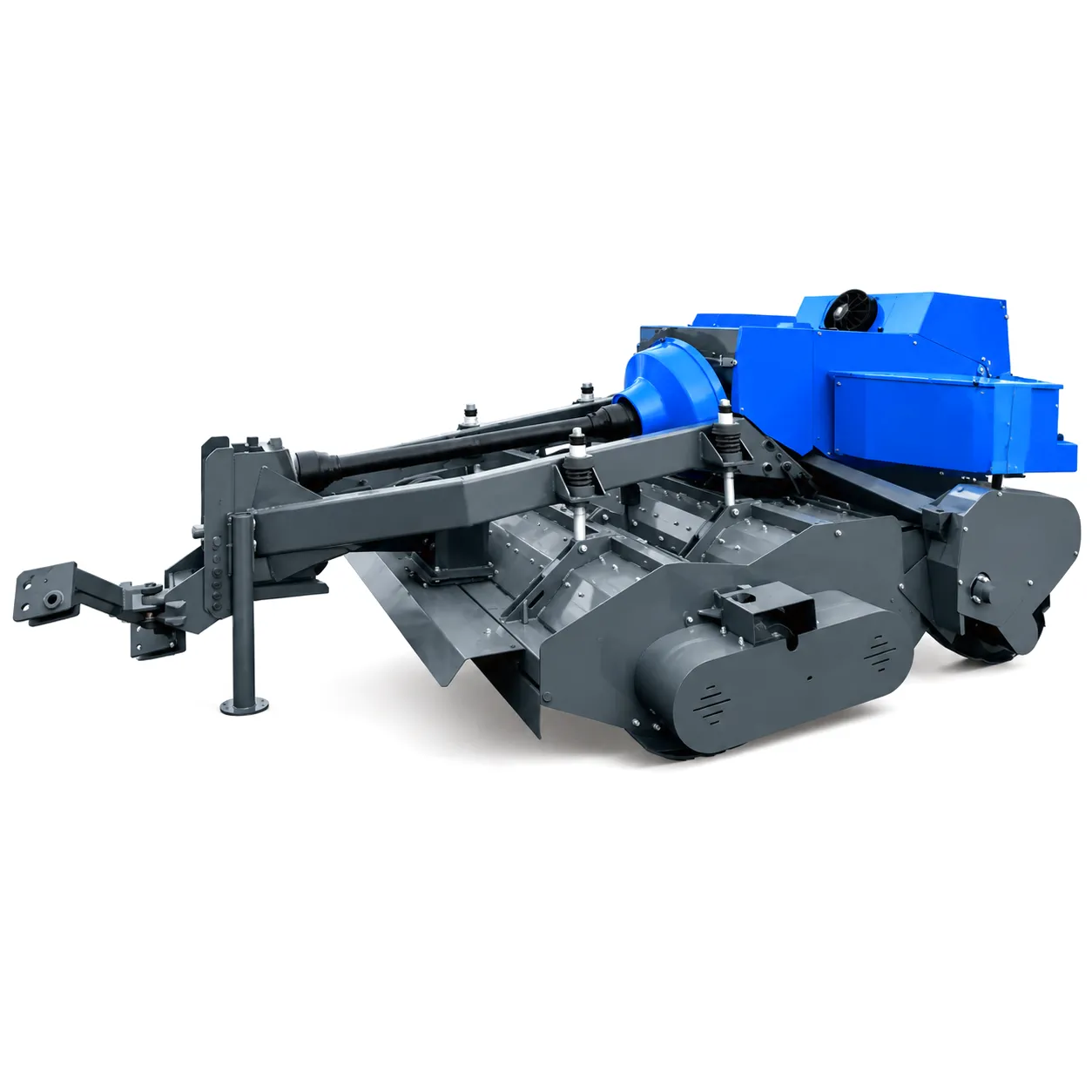
9YFS-2.2 Doppelkammer-Quaderballenpresse
The 9YFS-2.2 introduces a twin-chamber design that produces two bales simultaneously from a single pass, effectively doubling throughput without doubling the machine’s power requirement or field footprint. This model is purpose-built for high-volume commercial baling operations — contract teams managing post-harvest straw clearance across multiple farms in Lincolnshire, or biomass producers baling miscanthus under tight delivery contracts. The dual-chamber configuration includes independent bale length sensors and knotters per chamber, ensuring consistent bale weights even when crop density varies across the windrow width.
Customer Success Story: Straw Merchant Scales Operations in Lincolnshire
Meridian Agricultural Supplies, a family-owned straw and forage merchant based near Spalding in Lincolnshire, had reached the operational limits of their existing baler fleet by the 2024 harvest season. Running two ageing machines from a European manufacturer, the business was baling approximately 3,500 tonnes of wheat and barley straw per season — primarily for the equestrian market across Cambridgeshire and Hertfordshire — but was consistently losing field time to knotter failures and parts delays that stretched to 14 days through the European supplier’s UK importer. Managing director Tom Sheldon contacted Ever Power’s export sales team in February 2025 seeking a replacement for one of the failing machines, with a specific brief: 2.2-metre pick-up width, twin-knotter system, adjustable bale length from 800 to 1200 mm, and a polyurethane topcoat in a custom green specification to match their existing trailer fleet.
Ever Power’s engineering team responded with a detailed technical proposal within 72 hours, including material certifications for the frame steel, a knotter timing specification, and a full pre-delivery test report format. The custom baler — built to Meridian’s precise specification — was delivered CIF Felixstowe in 63 days from order confirmation, arriving in time for pre-harvest preparation. During the 2025 harvest, the machine baled 1,850 tonnes without a single knotter failure across the 74-day campaign. Bale density consistency exceeded the business’s previous best by 12 percent, which directly improved lorry payload utilisation on their straw delivery routes to Home Counties livery yards.
Tom Sheldon noted that the parts support agreement negotiated with Ever Power — covering knotter bill hooks, tines, and pick-up cam followers held in UK bonded stock — was the deciding factor in choosing the supplier over an alternative from a competing manufacturer. For a business with seasonal revenue concentrated in an eight-week harvest window, the assurance of 48-hour parts delivery within the UK was commercially essential.
What Our Customers Say
“Bale density consistency is the best we have seen from any machine at this price point. Our lorry payloads are up and we are getting fewer weight penalties at the weighbridge. The knotter has not missed a single tie across our entire 2025 campaign — that alone has saved us more than the cost of the machine in labour and re-baling time.”
Tom Sheldon — Meridian Agricultural Supplies, Spalding, Lincolnshire
“We specified the 9YF-2200 with the wider stuffer fork for our hemp crop and Ever Power delivered exactly what we asked for. The customisation process was straightforward — clear technical questions, fast turnaround on drawings, and the machine arrived with all the CE paperwork in order. It handled our long-stemmed hemp with zero blockages on the first run.”
David Wren — Norfolk Hemp Co., King’s Lynn, Norfolk
“The double-chamber model transformed our contract baling business. We went from running two single-chamber balers with two operators to one double-chamber machine with a single driver producing a higher bale count per day. The reduction in fuel consumption and operator cost has improved our margin on each tonne baled by around 18 percent. Ever Power’s export team handled all the shipping logistics without any issues.”
James Hartley — Hartley Agri Contracting, Driffield, East Yorkshire
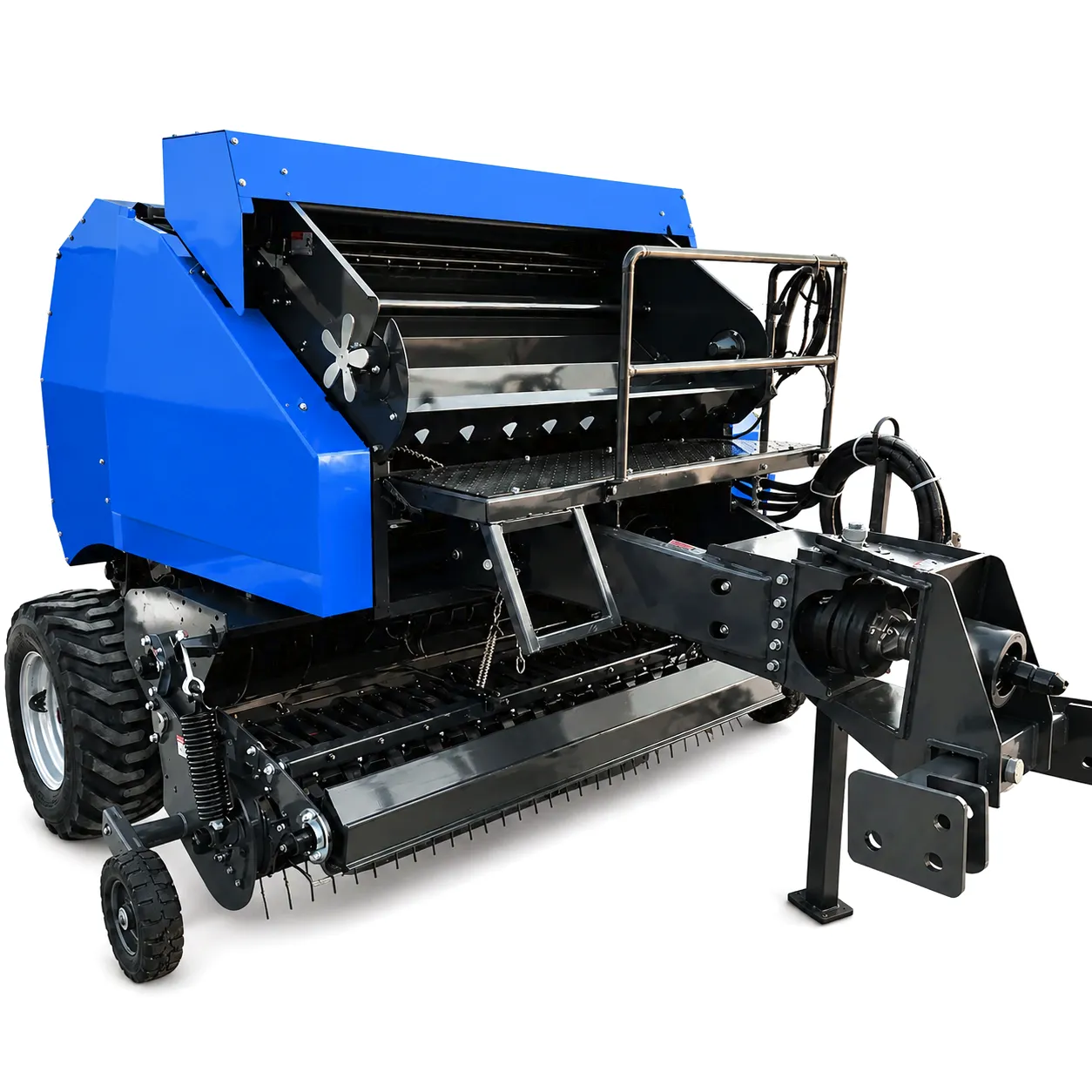
Ever Power agricultural machinery range — engineered for UK and global markets
Häufig gestellte Fragen
What is the typical price range for a new commercial square baler suitable for UK farm use, and how can I get a quote from a supplier?
Commercial square baler prices vary considerably depending on specification — pick-up width, chamber dimensions, knotter configuration, and any custom features. Entry-level single-chamber machines suitable for smaller UK farm operations typically start at a different price point to high-capacity models designed for commercial contractors. The most effective way to obtain an accurate quote is to contact the supplier directly with your specific requirements — crop type, target bale density, operating season length, and tractor compatibility. Ever Power provides detailed formal quotations, including freight to UK port, within 72 hours of receiving a specification enquiry.
Which square baler model is best suited for baling wheat straw on large arable farms in Lincolnshire or Yorkshire with high throughput requirements?
For high-throughput cereal straw baling across the large arable farms common in Lincolnshire and East Yorkshire, the 9YF-2200 wide pick-up model is the recommended choice. Its 2.2-metre pick-up width handles the wide windrows produced by modern combine harvesters operating at full header width, while the high-force plunger system achieves the bale densities needed to maximise lorry payload efficiency on the straw merchant’s delivery routes. The 9YFS-2.2 double-chamber model should be evaluated where a single operator needs to match or exceed the output of a two-machine baling team.
How long does it take to receive a custom-built square baler from an overseas supplier, and what shipping options are available to UK ports like Felixstowe or Southampton?
For custom-configured machines, production lead times at Ever Power typically run 45 to 90 days from confirmed order and deposit receipt, depending on the complexity of the custom specification. Standard sea freight from the factory to UK ports — Felixstowe, Southampton, and Liverpool are the most commonly used — adds a further 25 to 35 days transit. Total door-to-port lead times of 70 to 125 days are therefore realistic for a fully bespoke machine. Buyers planning for harvest delivery should factor in this timeline and place orders well ahead of their season commencement date.
Who are the most reliable square baler suppliers for UK buyers who need CE documentation and English-language technical support for commercial baling operations?
UK buyers should prioritise suppliers that can provide a CE Declaration of Conformity (or UK CA marking post-2025), full English-language operator and parts manuals, material test certificates for structural steel components, and a documented pre-delivery inspection report. Ever Power supplies all of these documents as standard with every export machine. The availability of UK-bonded spare parts stock — rather than relying on ex-factory lead times from overseas — is an additional critical consideration for buyers whose operating season is time-constrained.
When is the best time of year to order a new square baler for UK harvest, and how do I ensure delivery arrives before the August straw baling season begins?
To guarantee pre-harvest delivery in time for the UK’s August cereal straw baling season, orders should be placed no later than April for standard-specification machines and February for custom builds. Placing orders in the off-season — October through February — also typically offers the opportunity to negotiate more favourable pricing, as factory scheduling flexibility is higher outside the peak pre-season production period. Buyers should confirm with the supplier that a firm delivery date to the named UK port is included in the sales contract before committing to a deposit payment.
What are the main maintenance costs associated with running a commercial square baler across a full UK season, and where can I source spare parts at competitive prices?
The primary consumable and wear items on a square baler are the knotter bill hooks and tucker fingers, pick-up tines, twine, and bale chamber liner plates. On a machine baling 3,000 to 5,000 tonnes per season, operators can typically expect to replace tines once or twice, check knotter timing at mid-season, and replace a small number of bill hooks as standard scheduled maintenance. Sourcing these components from a supplier with UK-held stock — rather than ordering ex-factory with 6 to 8 week lead times — is the most effective way to manage in-season downtime risk. Ever Power’s spare parts supply agreement covers all major wear items with 48-hour UK delivery.
How does a double-chamber square baler compare in cost and output to running two separate standard balers across a commercial baling season in the UK?
A double-chamber square baler typically costs 25 to 45 percent more than a single equivalent-width machine, but it operates with one tractor and one operator rather than two, producing a comparable or higher daily bale count. When operator wages, tractor fuel, and machine depreciation are all factored in, the double-chamber approach generally reduces the all-in cost per bale by 15 to 25 percent on seasons where throughput demand justifies the higher capital cost. For UK contractors baling more than 4,000 tonnes per season, the business case for the 9YFS-2.2 double-chamber model typically returns a compelling payback period compared to operating two single machines.
Ready to source a high-performance square baler for your UK operation?
Talk to Ever Power — Specialists in Custom Square Baler Supply
✉ [email protected] — Get Your Quote Today
bearbeitet von gzl