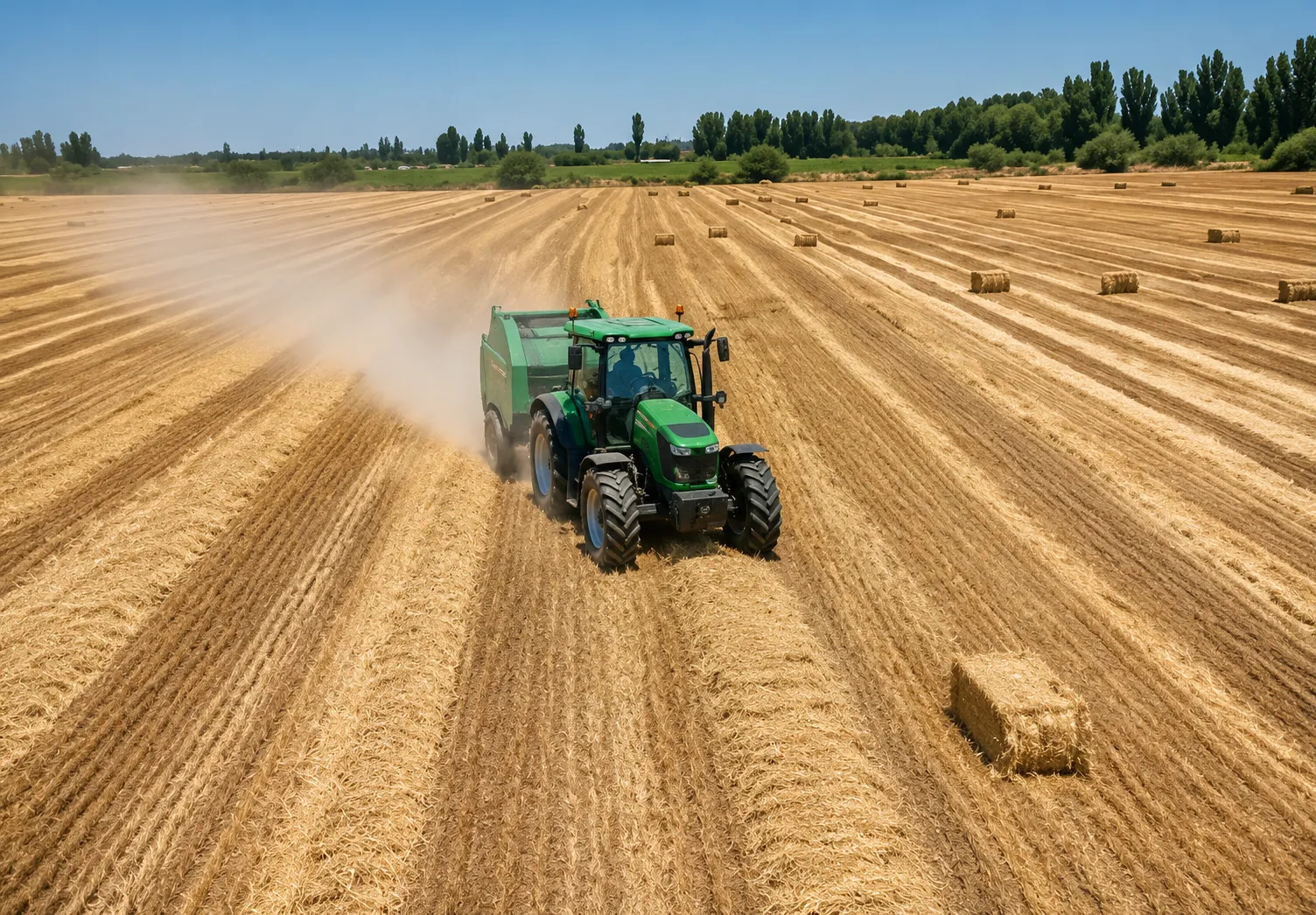
Working Principle of a Square Baler
Understanding the mechanical cycle that drives consistent bale formation
1. Pickup & Feeding
The pickup reel, fitted with spring-steel tines arranged in a staggered pattern, lifts windrowed crop from the ground and feeds it laterally into the pre-compression chamber. Tine spacing is calibrated to handle both light straw and dense legume hay without clogging. A rotor auger or cross-conveyor then gathers the material and begins the initial compression phase before it enters the main bale chamber. This early-stage compression is important because it prevents slug feeding — the sudden ingestion of oversized crop wads that commonly cause chamber blockages and knotting failures in older, simpler designs.
2. Reciprocating Plunger Compression
The heart of any square baler is the reciprocating plunger, driven by a crankshaft connected to the PTO shaft at 540 or 1,000 RPM. The plunger travels back and forth inside the rectangular bale chamber, progressively compressing each charge of crop material against the accumulated bale mass. The compression ratio achievable depends on the plunger stroke length, plunger face area, and the resistance built up by the bale-forming rollers or tension gates at the bale outlet. Achieving consistent bale density requires a continuous feedback between the feeder mechanism and plunger timing — a feature that distinguishes well-engineered units from low-cost alternatives that produce irregular, loosely packed bales unsuitable for automated handling.
3. Knotting System
Once the bale reaches the pre-set length — measured by a star-wheel meter in contact with the bale surface — the twine knotting mechanism engages. Needles carry twine through the base of the bale chamber, and the knotter bills rotate to form a reef knot that is mechanically reliable under field vibration and temperature variation. Dual-knotting systems, tying two strands of twine simultaneously, are standard on mid-range and large square balers. The knotter is typically regarded as the most maintenance-sensitive component; its timing, bill hook gap, and twine disc tension must be checked at the start of every season and monitored during operation to prevent twine waste and failed bale ties.
4. Bale Ejection & Discharge
After knotting, the completed bale is pushed by the incoming crop mass through the discharge chute or onto a bale accumulator. On larger, higher-output models, automated bale slides or ejection ramps deposit finished bales in rows for subsequent collection by bale chasers or telehandlers. Proper discharge design reduces field compaction by allowing the tractor to maintain forward momentum without stopping for bale placement. The geometric precision of the discharge chute — its angle and surface finish — plays an important role in preventing bale damage on hard or stony ground, a factor that matters particularly on the chalk soils common across the South Downs and the limestone wolds of North Yorkshire.
Core Materials in Square Baler Manufacturing
Material selection determines fatigue life, wear resistance, and total cost of ownership
High-Tensile Structural Steel
The main chassis frame and bale chamber walls are fabricated from high-tensile structural steel, typically S355 grade or equivalent, offering a minimum yield strength of 355 MPa. This specification is important because the bale chamber experiences repeated high-frequency impact loads from the plunger — often exceeding 80 strokes per minute at full capacity — across thousands of operating hours. Welding quality and post-weld stress relief treatment are equally critical; unrelieved weld stresses can initiate fatigue cracks at stress concentration points long before the rated service life is reached.
Boron-Alloyed Hardox Wear Plate
Plunger faces, bale channel liners, and crop guides are typically manufactured from boron-alloyed abrasion-resistant plate — Hardox 400 or 500 being industry benchmarks — with Brinell hardness values of 400–500 HB. These surfaces endure constant abrasion from silica-rich crop material, soil particles, and stone contamination picked up during field operation. On farms where sandy or gravelly soils are common — as in the brecklands of Suffolk or the coastal belts of Kent — wear rates can be dramatically higher, and specifying the correct wear plate grade becomes a significant factor in total maintenance cost over a ten-year asset life.
Case-Hardened Alloy Steel — Drive Train
Crankshafts, connecting rods, and gear sets in the PTO-driven power train are machined from case-hardened chromium-molybdenum alloy steel (42CrMo4 or equivalent). Case hardening produces a hard, wear-resistant outer layer while preserving a tough, ductile core capable of absorbing shock loads — the precise profile needed in a transmission that must handle abrupt load spikes when the plunger compresses a dense crop slug. Heat treatment specifications, including case depth targets of 0.8–1.5 mm and surface hardness of 58–62 HRC, are verified by manufacturers through destructive sampling at defined production intervals.
Spring Steel for Tines & Cam Tracks
Pickup tines and cam-track follower components are made from hardened spring steel — typically 65Mn or C75S grade — which combines high fatigue strength with the elasticity needed to deflect around obstacles without permanent deformation. A broken tine that falls into the crop stream can enter the knotting mechanism and cause significant secondary damage; spring steel grades are selected with this failure mode in mind, targeting a controlled deformation mode that keeps broken pieces within visible size ranges for operator detection during routine inspection rounds.
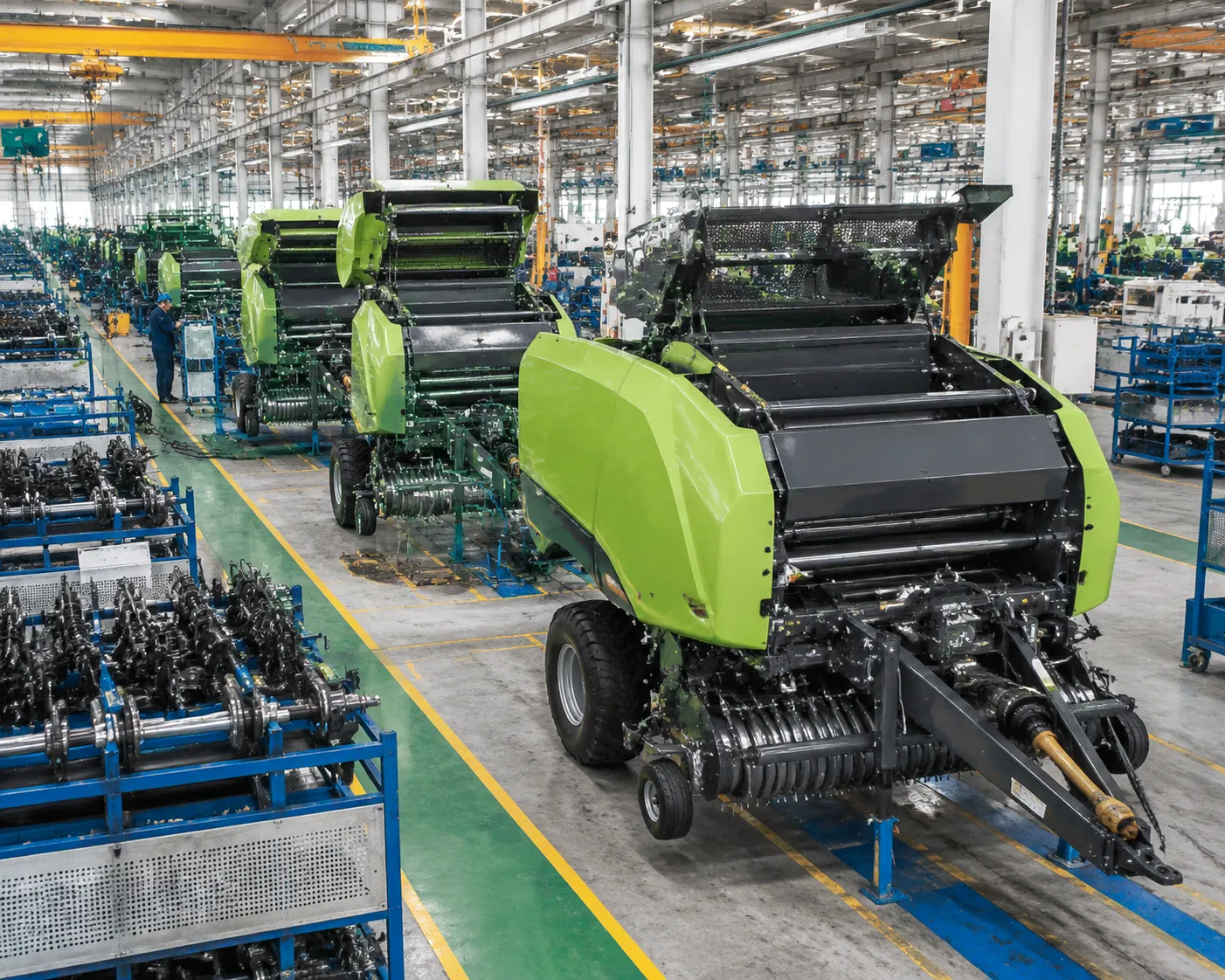
Product Technical & Performance Specifications
Reference parameters for mid-range to large square baler configurations
Core Technical Advantages of Modern Square Balers
Why procurement teams specify square balers over alternative bale formats
✓ Uniform Bale Geometry for Automated Handling
The rectangular bale shape produced by a square baler integrates directly with modern bale-handling equipment — stacking robots, conveyor loaders, and pallet wrappers — without the geometry challenges presented by round bales. For large-scale operations in the East Midlands and Yorkshire where bale volumes routinely exceed 5,000 units per season, the stacking efficiency of square bales inside stores and logistics vehicles is a direct operating cost driver. A tight, consistent bale dimension reduces air gaps in stacks, maximises trailer payload per journey, and improves storage yard fire safety by reducing spontaneous combustion risk from poorly-compressed round bales.
✓ Higher Bale Density for Export & Transport Efficiency
Large square baler configurations can consistently achieve bale densities of 200–280 kg/m³ on cereal straw, significantly exceeding round baler averages. For UK exporters shipping agricultural residues or energy crops to continental European biomass plants — a growing trade route from east coast ports including Hull, Immingham, and Tilbury — maximum density per container directly affects shipping cost per tonne. Operators who have upgraded from round-bale systems to high-density square baler formats frequently report a 25–35% reduction in transport costs per unit of dry matter moved, a saving that compounds rapidly at scale.
✓ Precision Density Control Across Crop Types
Electronic density monitoring and automated bale chamber tension adjustment — now standard on mid-range square baler models — enable operators to maintain consistent bale weight within ±5 kg of the target across widely varying crop moisture contents. This matters most in the UK’s unpredictable summer climate, where morning dew can raise straw moisture from 12% to 22% within hours, causing conventional machines to produce undersized, loosely-packed bales in wet conditions. Feedback-controlled systems compensate automatically, maintaining throughput and quality without requiring constant manual adjustment from the cab.
✓ Versatility Across Crop Species
Unlike some specialist forage equipment, a well-configured square baler handles the full breadth of UK crop outputs: wheat and barley straw, oilseed rape straw, hay and haylage, miscanthus, hemp fibre, and even shredded paper or cardboard in industrial applications. Rotor cutter variants — fitted with cutting blades ahead of the feeder — extend versatility further by chopping long-stemmed crops like miscanthus into shorter lengths before compression, reducing the risk of wedging and enabling higher throughput on bulky energy crops that are increasingly significant in the UK’s renewable heat sector.
✓ Reduced Field Passes & Soil Compaction
Large-format square balers — typically producing bales from 0.8 x 0.9 x 1.2 m to 1.2 x 1.3 x 2.4 m — require fewer field passes than smaller round baler equivalents for equivalent crop volumes. On heavy clay soils prevalent across the English Midlands and parts of East Anglia, minimising field traffic is an agronomic priority because repeated passes with heavy equipment cause deep compaction that reduces drainage and root penetration across subsequent seasons. Fewer field passes also translate directly into reduced tractor diesel consumption and labour hours, contributing to measurable reductions in harvest cost per tonne.
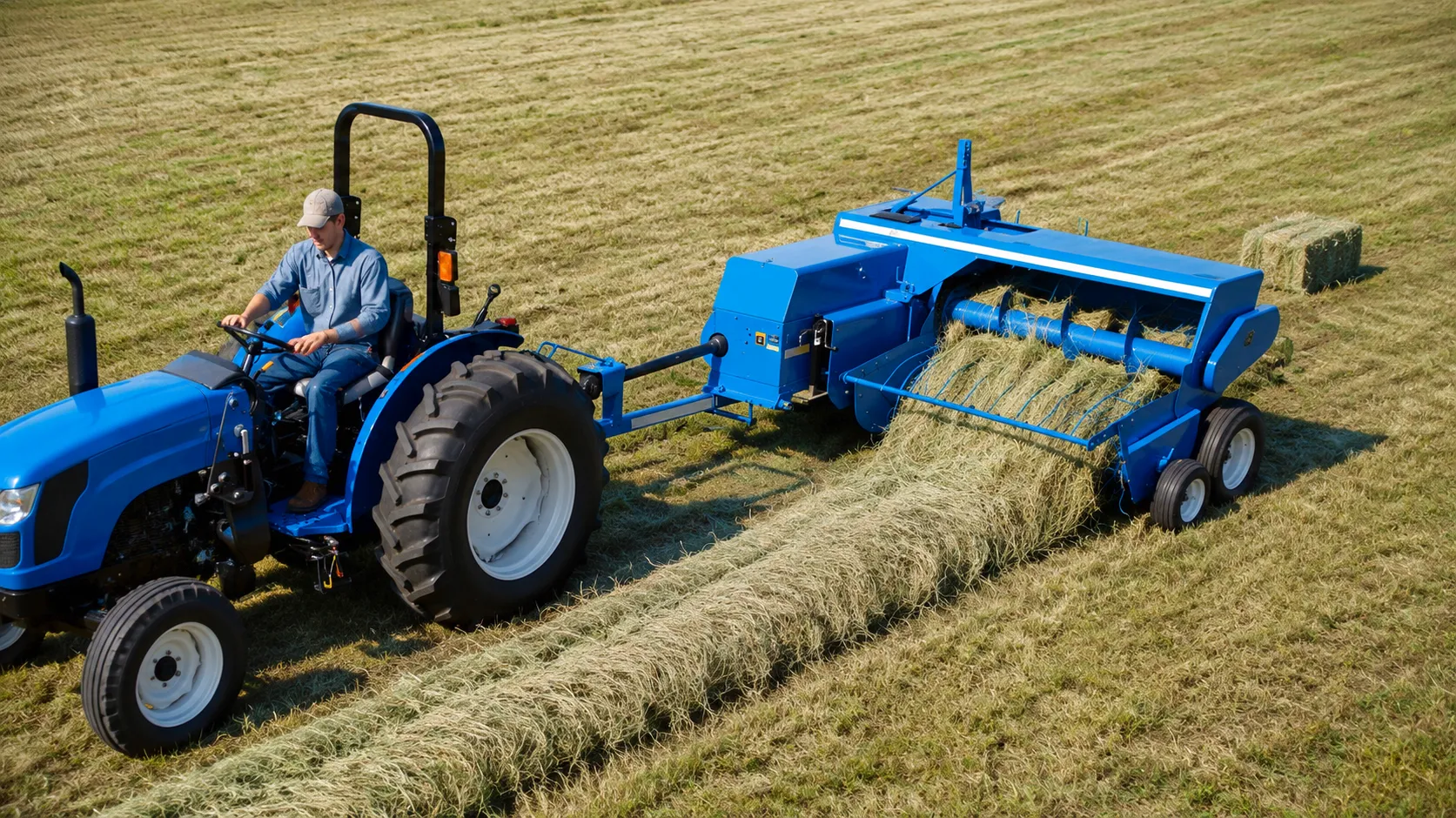
Cereal Straw Harvesting — Lincolnshire, Yorkshire, and East Anglia
Across the UK’s most productive arable belts — the Lincolnshire Wolds, the Vale of York, and the Norfolk and Suffolk plains — the square baler is an essential fixture during the cereal harvest window. Wheat, winter barley, and oilseed rape straw are compressed into large bales for sale to livestock bedding merchants, biomass fuel processors, mushroom compost producers, and construction board manufacturers. Throughput rates and bale quality consistency are paramount here because contractors managing 2,000 to 5,000 acres per season operate on tight schedules where machine downtime has a direct and measurable cost impact.
Biomass Energy Crop Processing — Midlands Renewable Fuel Supply Chains
The expansion of biomass boiler installations across UK schools, hospitals, and industrial facilities has created a substantial demand for consistently-specification energy crop bales. Miscanthus growers in Shropshire, Staffordshire, and Nottinghamshire increasingly rely on rotor-cutter square baler configurations to process their spring harvests into high-density bales that meet the fuel specification requirements of district heating networks. Bale moisture content, density, and dimensional consistency are contractually specified in fuel supply agreements, making a square baler with precise density control essential for compliance.
Hay and Haylage Production — Grassland Farms and Dairy Estates
Dairy and beef operations across Cheshire, Somerset, and Cumbria use square balers to produce high-quality, consistently-compressed hay and haylage bales for winter feeding. The high-density compression achievable with large square baler systems reduces dry matter losses during outdoor storage — a critical advantage given the UK’s wet autumn and winter conditions. Bales wrapped for haylage production must have sufficiently dense cores to exclude air effectively; under-compressed bales from inferior square baler designs allow aerobic spoilage that reduces nutritional value and creates mycotoxin risks in the feed supply.
Industrial Waste Compaction — Paper, Cardboard, and Textile Recycling Facilities
Fixed-installation square baler units — modified from their field-going agricultural counterparts — are widely used in materials recovery facilities and distribution centre waste handling operations across major UK logistics hubs including Birmingham’s Heartlands business district, Sheffield’s Lower Don Valley, and greater Manchester. These industrial square baler configurations process cardboard, mixed paper, and textile offcuts into dense, stackable bales that maximise container utilisation for export to recycling mills in Europe and Asia. The rectangular bale geometry is particularly well-suited to container loading without the void space problems inherent in round bale formats.
Hemp Fibre Processing — Specialist Industrial Crop Applications
With the UK’s licensed industrial hemp sector continuing to expand — driven by construction material, textile, and composite manufacturing demand — growers and processors increasingly require square baler configurations capable of handling the long, tangled fibre structure of hemp stalks after retting or decorticating. Modified stuffer mechanisms and oversized pickup reels are specified for this application. The resulting bales are used in hempcrete building blocks, natural insulation board, and premium paper manufacturing — niche but rapidly growing markets where product quality is closely tied to the square baler’s ability to produce dimensionally precise, clean, uniformly compressed bales.
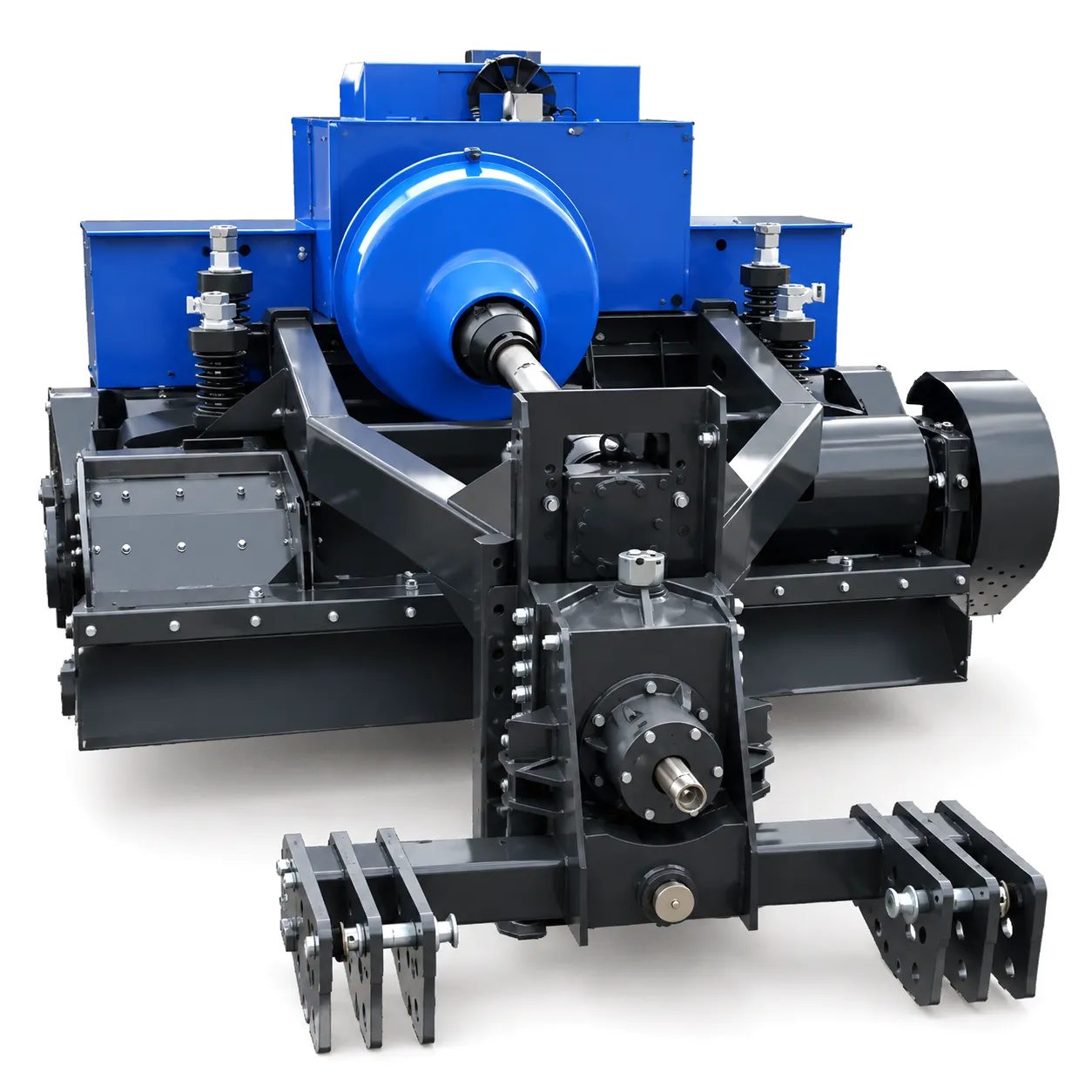
Ever Power Square Baler Product Range
Explore our core square baler models engineered for diverse UK and international field conditions
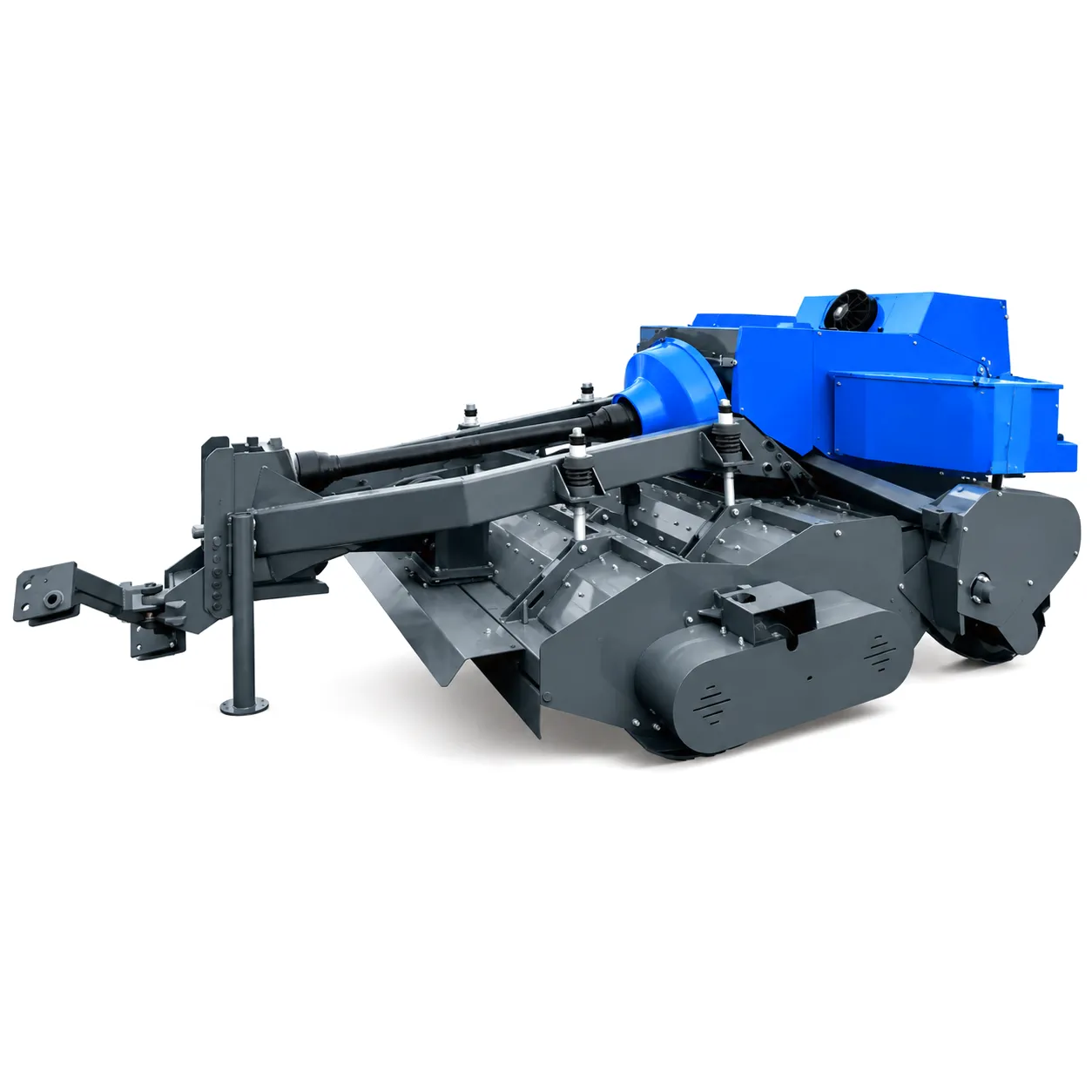
9YF-2200/1900/1700 사각 베일러
Available in three chamber widths — 2,200 mm, 1,900 mm, and 1,700 mm — this workhorse square baler is engineered for high-throughput cereal and energy crop operations. The heavy-duty plunger assembly and reinforced knotting drive deliver consistent performance across extended operating shifts, making it a practical choice for contract baling operations and large arable estates across the English Midlands and northern England. Variable bale length adjustment and multiple twine strand options adapt the machine to a wide range of end-use specifications.
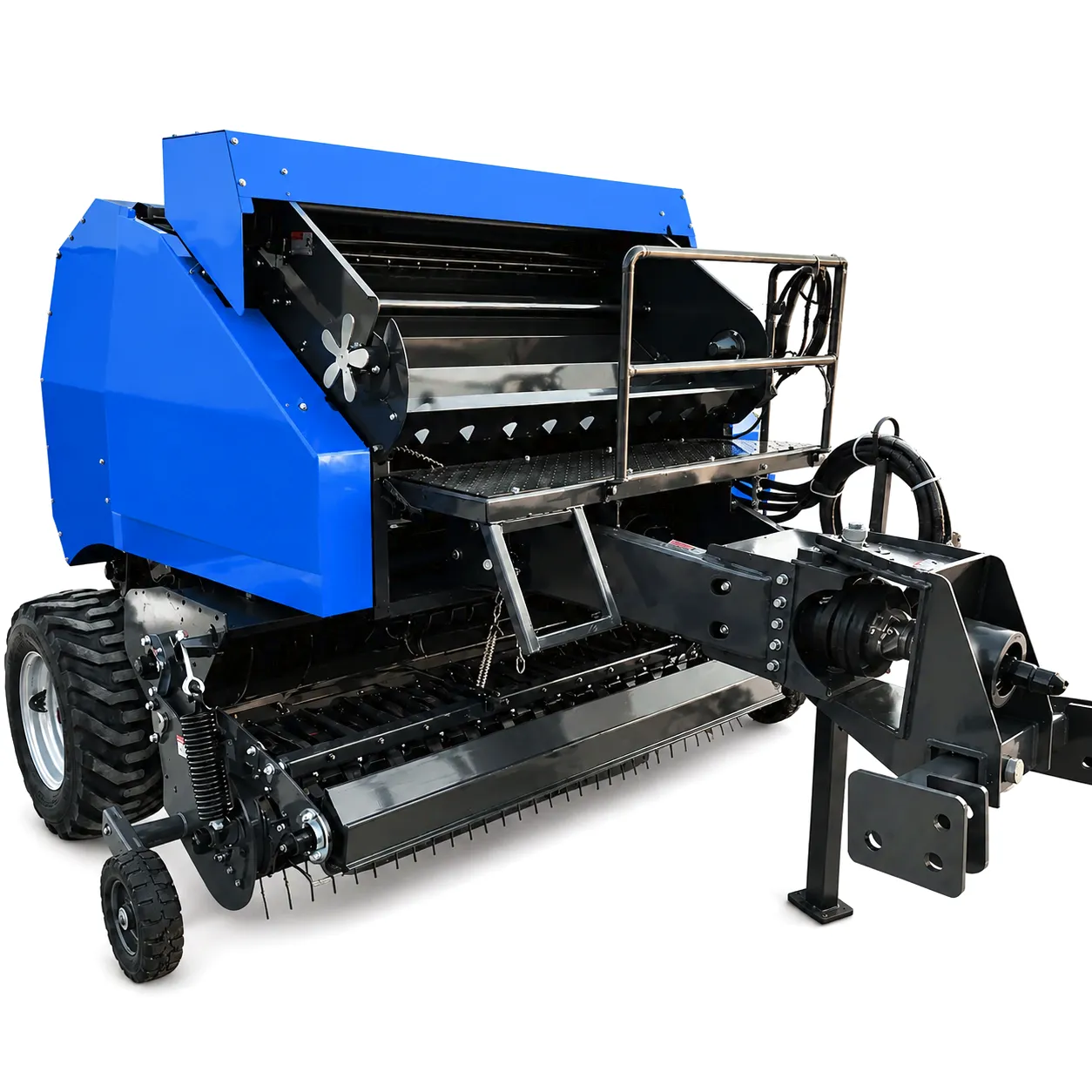
9YFS-2.2 이중 챔버 사각 베일러
The dual-chamber design of the 9YFS-2.2 represents a step forward in output capacity and operational flexibility. By utilising two sequential compression chambers, this square baler substantially increases bale density and throughput compared to single-chamber equivalents at similar PTO power demands. It is particularly suited to contractors and large estates where high-volume output during short weather windows is the primary consideration. The double-chamber configuration also improves bale consistency at higher forward speeds, reducing the productivity penalty traditionally associated with careful density management.
[email protected] | OEM/ODM welcome | FOB and CIF quotations available
Customer Success Story: Barnsley Biomass Contractor Scales Output with Ever Power
South Yorkshire energy crop operation — how the right square baler specification transformed seasonal capacity
Thornfield Agricultural Contracting, operating out of the Dearne Valley near Barnsley, South Yorkshire, expanded into energy crop baling in 2022 to serve the growing biomass boiler market across South and West Yorkshire. The operation — managed by third-generation farming contractor David Marsh — began with two ageing conventional square balers that produced inconsistent bale weights and suffered regular knotting failures when handling the long, dense miscanthus stalks that made up an increasing share of their autumn workload.
After evaluating options from several European and Chinese manufacturers, Thornfield selected Ever Power’s 9YF-2200 large square baler specification, customised with a reinforced stuffer mechanism and extended pickup width to handle miscanthus volumes. The customisation process took four weeks from technical brief to production approval, with Ever Power’s engineering team providing 3D configuration drawings for sign-off before manufacture commenced.
The results across the 2023 and 2024 seasons were substantial. Average bale weight consistency improved from a variance of ±42 kg to ±8 kg between bales — a critical factor for Thornfield’s biomass plant clients whose boiler feed systems are calibrated to specific bale specifications. Seasonal throughput increased by 38% against their previous season using comparable tractor hours, and no knotting failures were recorded across either harvest campaign. The reliability of the machine through extended shifts — often 14 to 16 hours per day during peak harvest windows — gave Marsh the confidence to take on two additional biomass supply contracts for the 2025 season.
고객 리뷰
“The bale weight consistency is far beyond what we achieved with our previous machines. Our biomass plant clients now accept our bales without spot-check reweighing — that alone has saved us significant time at the gate each season. The custom pickup width Ever Power built to our spec handled the miscanthus without any of the plugging issues we expected.”
“We ran the Ever Power square baler through two full cereal harvest campaigns without a single knotting failure — that is a performance record we have not achieved with any other machine in twenty years of contracting. The wear on the plunger face and chamber liners after 800 operating hours was well within what we anticipated, and replacement parts arrived from their UK importer within three working days.”
“Ever Power’s customisation capability was the deciding factor in our sourcing decision. We needed a specific bale chamber height to match our automated bale handling system, and their team turned around a confirmed dimensional specification within a week. The machine has been operating in our cardboard baling facility near Coventry for eighteen months with no unscheduled downtime — the reliability is genuinely impressive for the price point.”
영국 구매자를 위한 사각 베일러 관련 자주 묻는 질문
Common questions from farm managers, contractors, and procurement teams across England, Scotland, and Wales
How much does a large square baler typically cost to buy from a supplier in the UK market?
New large square baler prices in the UK typically range from £45,000 to over £180,000 depending on chamber size, output capacity, and manufacturer. Imported units from established Chinese manufacturers such as Ever Power offer comparable technical specifications at significantly lower landed costs — often 30–45% below equivalent European-branded machinery. To get an accurate quote tailored to your specific requirements including bale format and crop type, contact [email protected] directly.
Which square baler models are best suited to wet UK summer conditions and variable straw moisture content?
Models with electronic bale density monitoring and automatic chamber tension adjustment — such as the Ever Power 9YF-2200 series — are best suited to the UK’s variable summer climate. These systems compensate in real time for changes in straw moisture without operator intervention, maintaining consistent bale weight across dew-affected morning conditions and dry afternoon windows. A pre-compression stuffer system also helps manage slug feeding in high-moisture crops.
Where can I find a reliable square baler supplier in the UK who offers both OEM customisation and after-sales spare parts support?
Ever Power supplies square balers to UK agricultural distributors and direct B2B buyers, offering OEM configuration services and a documented spare parts supply chain with ex-stock availability at the factory. Parts orders are typically despatched within 24–48 hours of confirmation, and DHL and TNT express shipping from the factory to UK addresses achieves 5–7 working day delivery windows for most components.
What is the recommended tractor power requirement when operating a large square baler on heavy Midlands clay soils?
For large-format square balers with bale chambers of 1.2 m x 1.3 m or above on heavy soils where crop density and field resistance are elevated, a minimum of 120 kW (approximately 160 hp) at the PTO is recommended. Undersized tractors risk engine lugging under peak compression loads, which reduces knotter timing consistency and increases mechanical stress on the flywheel and connecting rod assemblies.
How do I get a competitive price quote for a square baler shipped to a UK port such as Felixstowe or Southampton?
Email your configuration requirements — bale chamber size, crop type, target bale weight, and delivery port preference — to Ever Power at [email protected]. The team typically provides an FOB and CIF quote within 2–3 business days. Standard container shipments from the factory to UK east coast ports average 25–32 days transit depending on vessel scheduling and seasonal demand on the route.
When is the best time of year to order a new square baler to ensure delivery before the UK cereal harvest window?
For UK cereal harvest operations targeting a late July to early September working window, orders placed by February or early March allow adequate time for production scheduling, quality inspection, export preparation, and sea freight transit. Custom configurations requiring engineering sign-off before production should be initiated by mid-January to maintain this timeline comfortably.
What maintenance intervals and service requirements should a UK farm buyer expect for a high-output square baler from an Asian manufacturer?
Well-engineered square baler machines follow structured maintenance schedules comparable to European alternatives: knotter servicing and timing check every 50–80 operating hours; greasing of plunger guides, crankshaft bearings, and pickup drive every 8–10 hours; chain tension inspection and drive gearbox oil change at 200-hour intervals; and a full mechanical inspection including wear plate measurement and cam track inspection at season end. Buyers should confirm that the manufacturer provides a comprehensive operator and service manual in English as a standard delivery item.
Who in the UK agricultural contracting sector is currently using large square balers for biomass and energy crop baling operations?
UK agricultural contractors serving the biomass sector — particularly those in the East Midlands, Yorkshire, and the West Country — have increasingly adopted large-format square balers for miscanthus, SRC willow chip residue, and straw energy crop work. Many are medium-scale contract operators working under multi-year supply agreements with district heating networks or independent power producers. This segment has been among the fastest-growing markets for high-specification square baler procurement in the UK over the past five years.
gzl님이 편집함