Pilih satu Halaman

Technical Deep Dive · UK Agriculture & Industry

Square Baler Technology: Engineering Principles, Performance Standards & Industrial Applications Across the UK

From Yorkshire’s arable farmlands to the biomass energy plants of the East Midlands, square balers form the mechanical backbone of material compaction across British agriculture and industry. This guide covers everything procurement teams, farm managers, and machinery distributors need to make informed decisions.

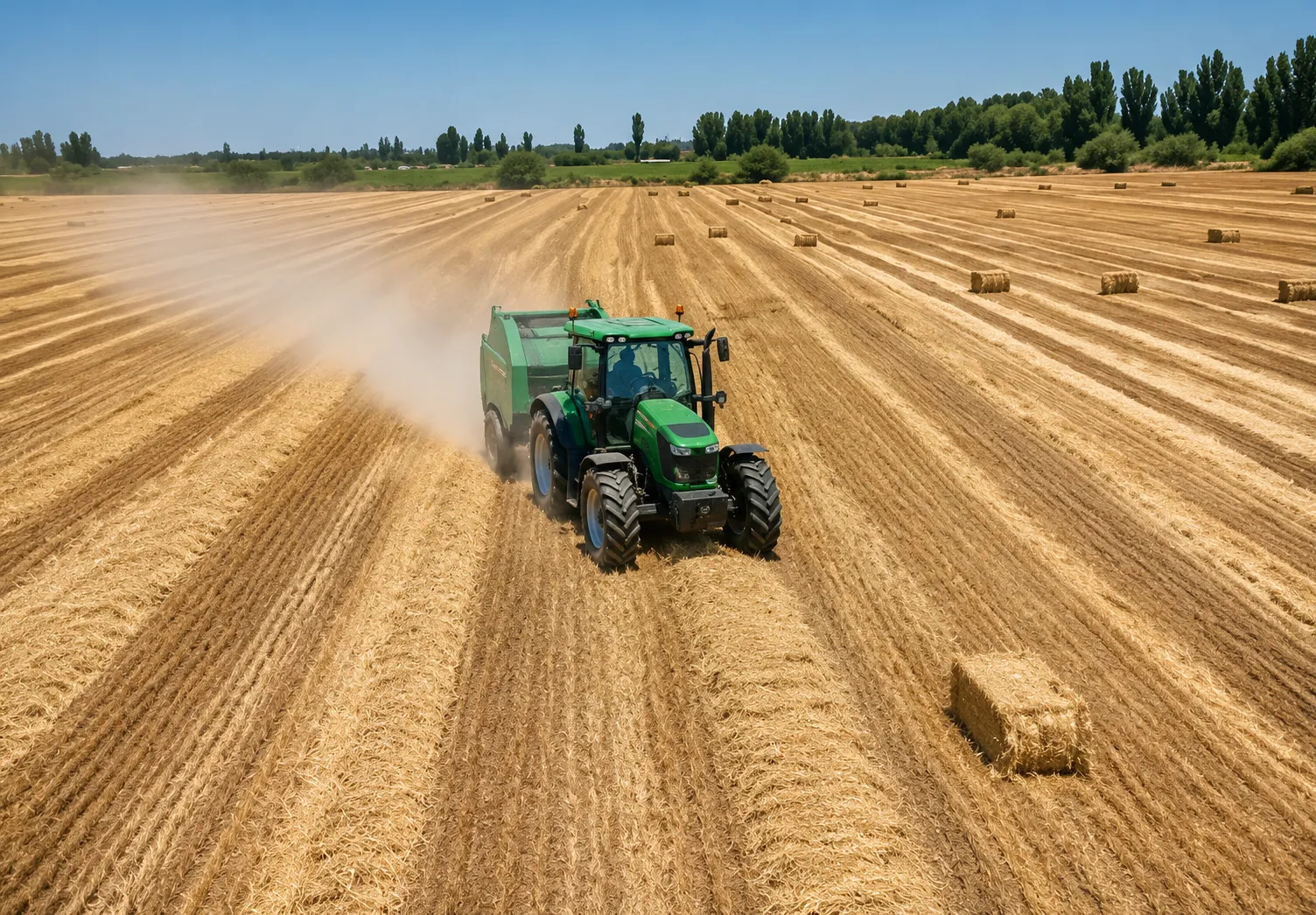
Ever Power square baler in field operation

Square balers have evolved far beyond the rudimentary bundling machines of mid-twentieth century Britain. Modern high-density square balers are precision-engineered systems capable of compressing straw, hay, silage, corn stalks, cardboard, biomass waste, and a wide range of fibrous materials into tightly formed rectangular bales weighing anywhere from 250 kg to over 500 kg. The mechanical forces involved in this process are considerable — plunger pressures can exceed 200 kN, and the machinery must maintain dimensional consistency across thousands of operating cycles without performance degradation. In industries ranging from dairy farming in the Lake District to biomass fuel processing in the East Midlands, the square baler is not simply a piece of farm equipment; it is a critical productivity asset that directly influences material handling efficiency, storage density, and logistical throughput. Getting the specification right — drive system, bale chamber dimensions, tying mechanism, and throughput rating — is a decision with long-term economic consequences. This article provides the technical depth that procurement teams and agricultural engineers in the UK need to evaluate, specify, and source square balers with confidence.

How a Square Baler Actually Works: Mechanical Principles

The operating cycle of a square baler is a precisely timed sequence of mechanical events driven by a tractor’s power take-off (PTO) shaft or, in stationary applications, an independent electric or diesel motor. Crop or material is first gathered from the ground or a feeder conveyor by the pickup unit, which uses spring-loaded tines rotating at high speed to lift loose material without loss. The gathered material flows into the pre-compression chamber where it is metered into uniform charges before each plunger stroke. The plunger itself — a robust reciprocating ram manufactured from high-strength alloy steel — compresses each charge against the growing bale inside the bale chamber, advancing the bale incrementally with each stroke. Compression ratios of 4:1 to 8:1 are typical depending on material type and desired bale density. Bale length is monitored by a measuring wheel; once the target dimension is reached, the knotting or twine-tying mechanism is triggered. Needles thread twine around the completed bale, and knotters — whose design traces back to Appleby’s original 19th-century patent — tie off two or more parallel strands in a fraction of a second. The finished bale is ejected through the rear of the machine, and the cycle repeats. At full operating speed, a modern high-density square baler can complete 60 to 80 plunger strokes per minute, generating bales with consistent dimensions and density across the entire working day.

⚙️
PTO Drive System
Standard 540 or 1000 RPM PTO input; flywheel stores kinetic energy to smooth plunger load spikes across each compression cycle.
🔩
Reciprocating Plunger
Forged high-carbon steel ram travels 300–700 mm per stroke; adjustable compression force from 80 to 250 kN depending on model configuration.
🪢
Automatic Knotting
Dual or quad knotter assemblies fire simultaneously; knot cycle completes in under 0.3 seconds with tensile reliability exceeding 2,500 N per strand.
📐
Bale Length Control
Spring-loaded or electronic measuring wheel tracks bale growth; programmable length settings allow operators to configure bale dimensions from the tractor cab.

Core Materials Engineering: What Makes a Durable Square Baler
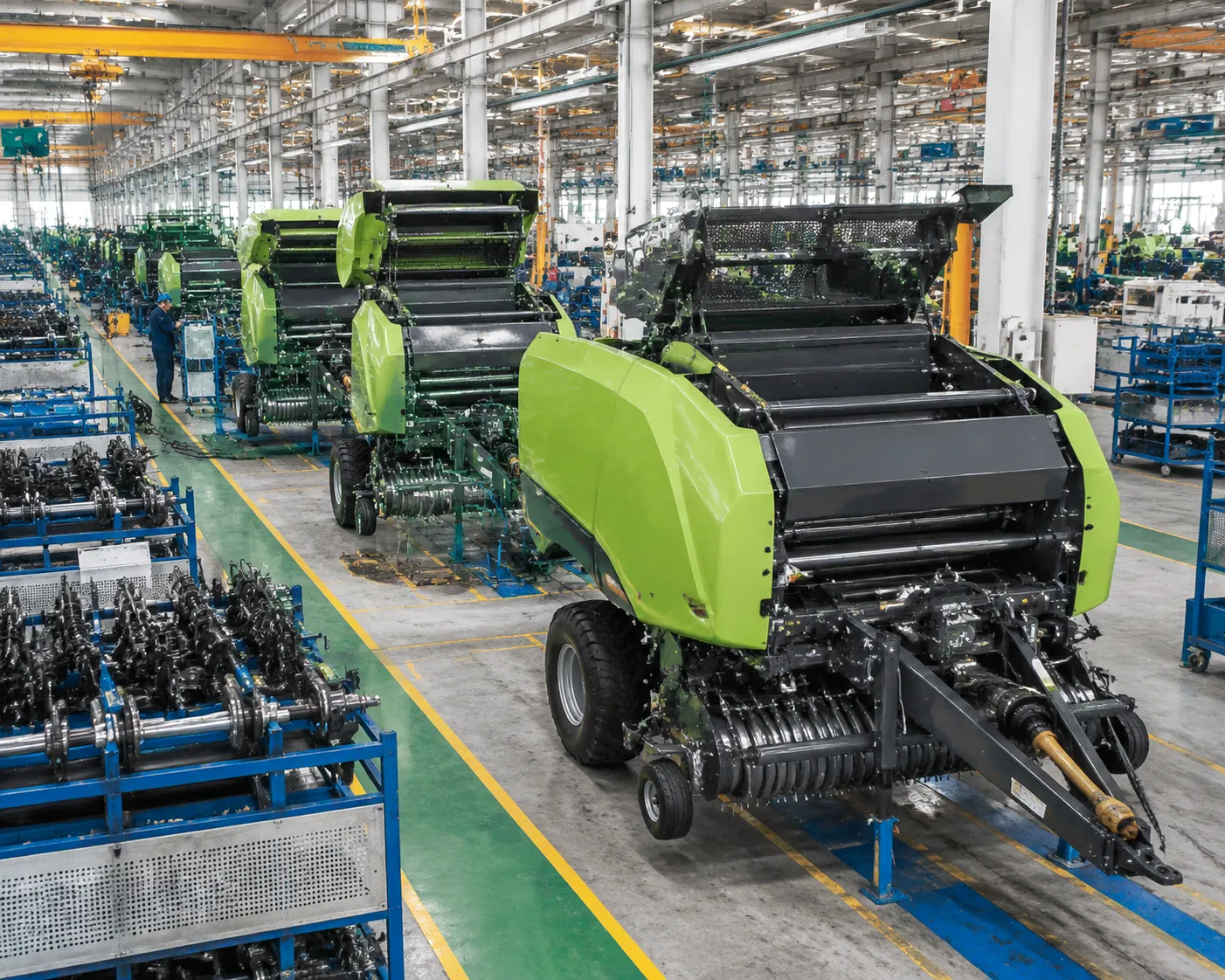
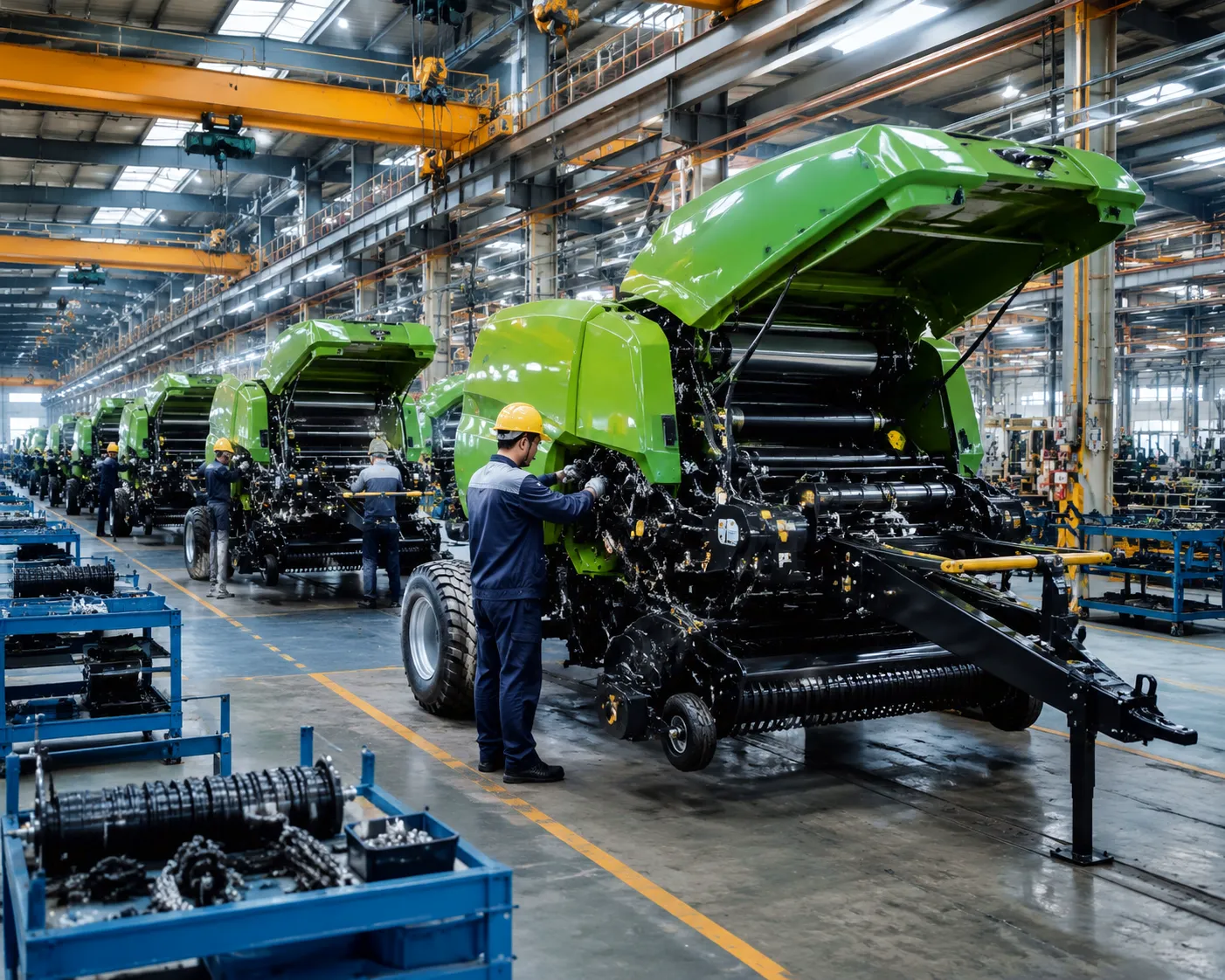
Ever Power square baler manufacturing workshop

The longevity and reliability of a square baler under the demanding conditions of British agriculture — wet harvests, heavy clay soils, high-throughput biomass operations — depends heavily on materials selection at the design stage. The bale chamber walls, which bear the brunt of lateral compression forces during every plunger stroke, are fabricated from Q345B or equivalent structural steel plate with a minimum yield strength of 345 MPa. Chamber wall thickness varies from 8 mm on light-duty models to 16 mm or more on heavy-duty configurations designed for continuous commercial use. Internal wear strips lining the chamber floor and sides are typically hardox 400 or 450 wear-resistant steel, chosen for their ability to withstand abrasive contact with fibrous crop materials over multiple seasons. The plunger itself demands even higher material standards: most quality manufacturers use 42CrMo alloy steel, heat-treated to a surface hardness of 50–55 HRC, which provides the toughness to absorb impact loads without cracking and the surface hardness to resist wear at the plunger face.

Gearbox housings and main drive shafts use nodular cast iron (QT500-7 or equivalent) and 40Cr steel respectively — materials that provide the combination of casting integrity and fatigue resistance needed in components cycling tens of millions of times across a machine’s operating life. Pickup tine assemblies are spring steel — typically 65Mn — tempered and shaped to provide both the elasticity to deflect around obstructions and the strength to drive material rearward without bending. Hydraulic cylinder components on models with powered bale ejection or variable compression use seamless cold-drawn steel tubing with chrome-plated internal bore surfaces, ensuring clean sealing surface retention over the full operating range. Fasteners throughout the drivetrain are Grade 8.8 or 10.9 metric bolts, with critical joints using pre-tensioned flanged designs to maintain clamping force through the vibration cycles inherent in baler operation. Surface finishing — hot-dip galvanising on chassis components, epoxy powder coating on body panels — provides the corrosion protection necessary for machines stored outdoors through a British winter.

42CrMo
Plunger Alloy Steel
Hardox 450
Chamber Wear Strips
Q345B
Chamber Structural Plate
65Mn
Pickup Spring Tines
40Cr
Drive Shaft Steel

Product Technical & Performance Specifications

ParameterLight DutyStandard DutyHeavy Duty
Bale Chamber Size (W × H)460 × 360 mm560 × 480 mm700 × 560 mm
Bale Length (adjustable)400 – 900 mm500 – 1,200 mm600 – 1,800 mm
Max Plunger Force80 kN160 kN250 kN
Plunger Speed (strokes/min)42 – 5655 – 7260 – 82
PTO Input Speed540 RPM540 / 1,000 RPM1,000 RPM
Required Tractor Power40 – 65 kW65 – 100 kW110 – 160 kW
Bale Density (straw)80 – 130 kg/m³130 – 180 kg/m³180 – 250 kg/m³
Throughput Capacity8 – 15 t/hr15 – 30 t/hr30 – 55 t/hr
Number of Twine Rows23 – 44 – 6
Twine Tensile Strength≥ 1,800 N≥ 2,200 N≥ 2,800 N
Lebar Pengambilan1,200 mm1,700 – 1,900 mm2,100 – 2,200 mm
Plunger MaterialQ345 Steel42CrMo Alloy42CrMo HT (50–55 HRC)
Machine Weight (approx.)1,200 – 2,000 kg2,200 – 3,800 kg4,000 – 6,500 kg

Core Technical Advantages of Modern Square Balers

High Bale Density = Superior Transport Economics
Dense square bales stack with geometric precision on flatbed trailers and in storage barns. A lorry load of high-density square bales — common on the A1 and M62 corridors serving agricultural regions of Yorkshire and Lincolnshire — can carry 30 to 40 percent more material by mass than the equivalent load of round bales, directly reducing haulage cost per tonne.
Consistent Bale Geometry Across the Entire Field
Unlike round balers whose output varies with windrow width and crop density variations, a properly calibrated square baler maintains dimensional tolerance of ±15 mm across thousands of bales. This consistency is essential for automated handling systems in biomass plants and for the stacking algorithms used in large-scale hay trading operations where bale uniformity affects pallet weight declarations for export documentation.
Versatile Material Compatibility Across Industries
A well-specified square baler handles wheat straw, barley straw, oat straw, hay, ryegrass, silage, miscanthus, short rotation coppice wood chip, reed, cotton gin waste, cardboard, and even shredded paper — making a single machine commercially viable across multiple revenue streams for British contractors operating in both agricultural and waste management markets.
Low Maintenance Design with Accessible Service Points
Quality heavy-duty square balers consolidate lubrication points, use centralized grease lines where practical, and position knotters and needle assemblies for access without removing body panels. This design philosophy reduces planned maintenance time to 2–3 hours per 200 operating hours — a significant factor for contractors who bill by the day and cannot absorb unexpected machine downtime during the British harvest window of July through September.
Shredding-Integrated Models for Chopped Straw Bedding
Dual-mechanism square balers equipped with integrated cutting systems reduce material particle length before compression, producing denser bales with better moisture management — a key advantage for dairy farms in Cheshire, Somerset, and Herefordshire where chopped straw bedding systems demand consistent particle size and high bale density to minimise storage space in straw barns.
Flywheel Energy Storage Smooths Peak Load Spikes
The large-diameter cast iron flywheel stores rotational kinetic energy equivalent to several plunger strokes, releasing this energy at the moment of maximum compression resistance. This mechanism protects the tractor drivetrain from high-amplitude torque spikes that would otherwise cause transmission wear, and allows operators to use a tractor of moderate horsepower where a flywheel-less design would require a much larger power unit — reducing both capital and fuel cost.

Industrial Application Scenarios: Square Balers Across the UK

🌾 Grain Straw & Hay Harvesting — Yorkshire & Lincolnshire Arable Farms

The cereal growing counties of Yorkshire and Lincolnshire generate enormous volumes of wheat and barley straw annually, and high-density square balers are the machinery of choice for operations that supply straw to livestock farmers, equestrian centres, and the growing biomass fuel market. A typical large-scale contractor in the East Riding of Yorkshire will operate one or two square balers capable of producing 500 or more bales per day across field conditions ranging from light sandy loam to heavier Wolds clay soils. The square format allows three-high stacking without specialist equipment, and bales can be loaded directly onto flat-deck trailers by a telehandler for despatch to purchasers as far south as Kent or as far north as Northumberland. The UK hay trade — supplying equestrian facilities across the Home Counties and the racing yards of Newmarket — similarly relies on the consistent weight and presentation of square bales for grading and pricing purposes.
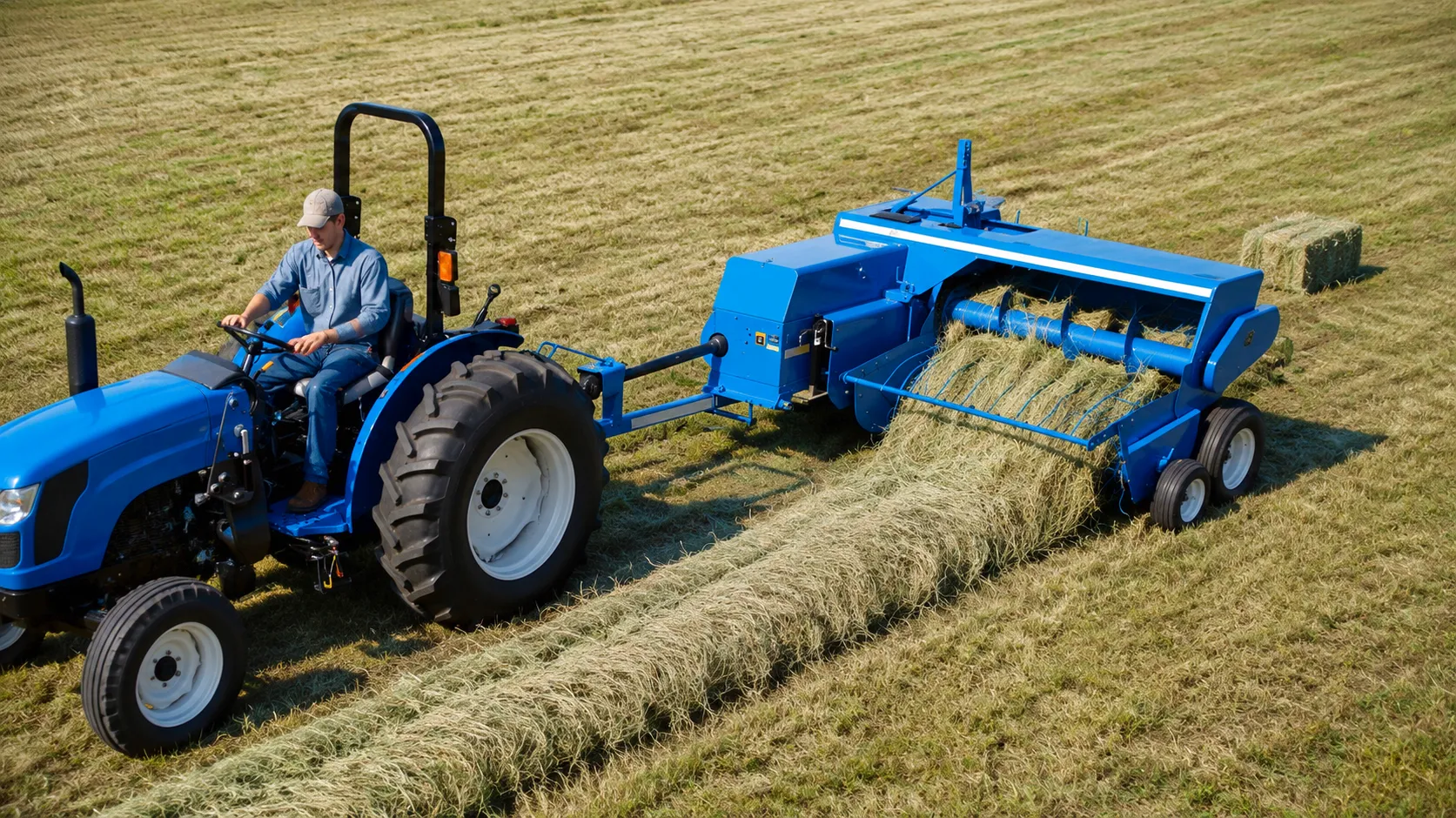
Square baler in field application

🔥 Biomass Energy Fuel Preparation — East Midlands & Scotland

The UK’s Renewable Heat Incentive and Contracts for Difference schemes have driven substantial investment in biomass energy capacity, particularly in the East Midlands and Scotland. Wood chip, miscanthus, short rotation willow coppice, and agricultural residues all move through biomass supply chains in square bale format. Dense, uniform bales are critical for automated biomass storage and feeding systems that use conveyor or walking floor technology — irregular bale geometry causes feeding jams that interrupt energy output and trigger penalty clauses in supply contracts. Nottinghamshire and Derbyshire biomass plant operators specifically request bales within dimensional tolerances that only a properly calibrated square baler can deliver consistently at commercial throughput rates.

📦 Recycled Paper & Cardboard Compaction — Sheffield & Birmingham Distribution Centres

The major distribution and logistics hubs serving Sheffield and Birmingham — including the large industrial parks around the M1/M6 interchange and the warehousing zones of the Black Country — generate significant volumes of corrugated cardboard and paper waste that cannot economically be landfilled under UK waste regulations. Stationary square balers configured for industrial waste compaction handle cardboard, OCC (Old Corrugated Container) material, and mixed paper at throughputs of 15 to 40 tonnes per hour, producing bales of consistent weight and density that meet the material specifications of UK paper mills and export terminals at Tilbury, Felixstowe, and Bristol. The rectangular bale format maximises container utilisation on export shipments, making square balers a direct contributor to the export revenue of the UK’s secondary materials sector.

🐄 Livestock Bedding & Feed Preparation — Dairy Farming Regions of Cheshire & Somerset

High-output dairy farms require large volumes of bedding material — chopped straw, reed, or similar fibrous material — delivered in a format that can be efficiently mechanically spread in cubicle housing and free-stall barns. Square balers equipped with cutting mechanisms produce bales of precisely chopped straw that integrate directly with automatic straw bedding spreaders, eliminating the manual labour of breaking and scattering material by hand. In Cheshire, Somerset, and the Welsh Marches — the heartland of British dairy production — a square baler with shredding capability represents a significant operational upgrade over conventional baling, reducing labour input and improving bedding hygiene by producing shorter, more absorbent particles that drain effectively in high-throughput cubicle systems.

🌱 Agricultural Silage & Forage Baling — Northern Ireland & Welsh Uplands

In the high-rainfall livestock farming regions of Northern Ireland, Snowdonia, and the Brecon Beacons, square balers designed for silage and high-moisture forage crops play a vital role in the conservation of grass and legume feed for sheep and cattle through the long British winter. Models with double-chamber configurations allow simultaneous filling and compression — increasing throughput precisely when speed matters most in a weather-dependent harvest window. The mechanical advantage of a double-chamber square baler, which charges the second chamber while the first ejects its completed bale, can increase effective working capacity by 35 to 50 percent compared with a single-chamber machine, a critical performance margin when operating teams have only a two-day weather window before the next Atlantic depression arrives from the west.

Manufacturing Excellence

Ever Power: Custom-Engineered Square Balers Built for Demanding British & International Markets

Ever Power operates purpose-built manufacturing facilities equipped with CNC machining centres, robotic welding stations, and a dedicated heat-treatment line capable of processing structural components to the hardness specifications that heavy-duty baler construction demands. The production floor covers over 18,000 square metres and operates two shifts, allowing us to maintain lead times of 25 to 45 days on standard configurations — and to accommodate rush orders for replacement of machines that fail mid-harvest, when downtime directly translates to lost revenue for UK farming businesses. Every square baler frame is welded by certified welders and inspected by ultrasonic weld testing on critical structural joints before progressing to the machining stage.

Ever Power’s customisation service covers bale chamber dimensions, pickup widths from 1.2 m to 2.4 m, optional integrated shredding mechanisms, variable compression force settings, twin or quad knotter configurations, and electronic bale monitoring systems compatible with ISOBUS-standard tractor terminals. We supply international markets including the UK, Republic of Ireland, Netherlands, Germany, Denmark, and Australia, with documentation packages — CE declarations of conformity, operator manuals in English, parts catalogues — prepared to the standards expected by British machinery importers and distributors. Our procurement team works directly with UK agricultural machinery dealers in the East Midlands, Yorkshire, and the South West to provide competitive pricing on volume orders and spare parts support for the full machine lifetime. Whether you are specifying a single replacement machine or placing a fleet order for a contracting business, Ever Power has the manufacturing depth and supply chain agility to deliver.
📩 Request a Custom Quote

Ever Power baler manufacturing facility

18,000+
m² Production Floor
240+
Export Markets Served
CE
Certified / UK PSSR

Featured Square Baler Products

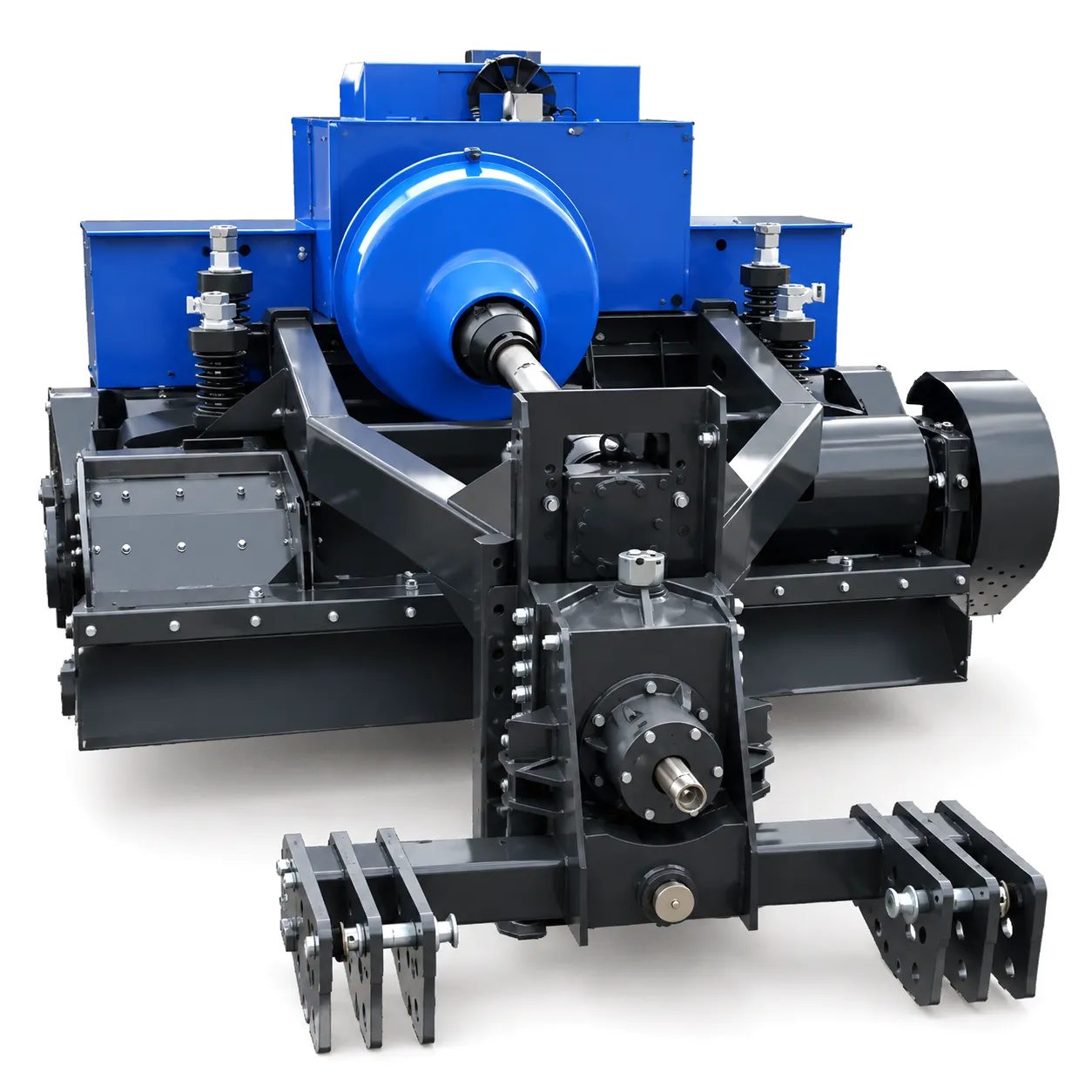
Pengikat Segiempat 9YF-2200/1900/1700

High-Density · Single Shredding

Pengikat Segiempat 9YF-2200/1900/1700

Available in three pickup widths — 2,200 mm, 1,900 mm, and 1,700 mm — this heavy-duty square baler is built for large-scale wheat and barley straw operations across British cereal-growing regions. The single integrated shredding mechanism reduces particle length for improved bale density and faster breakdown in livestock bedding applications. Dual knotters and a reinforced flywheel assembly deliver reliable performance across long working days.

View Product →

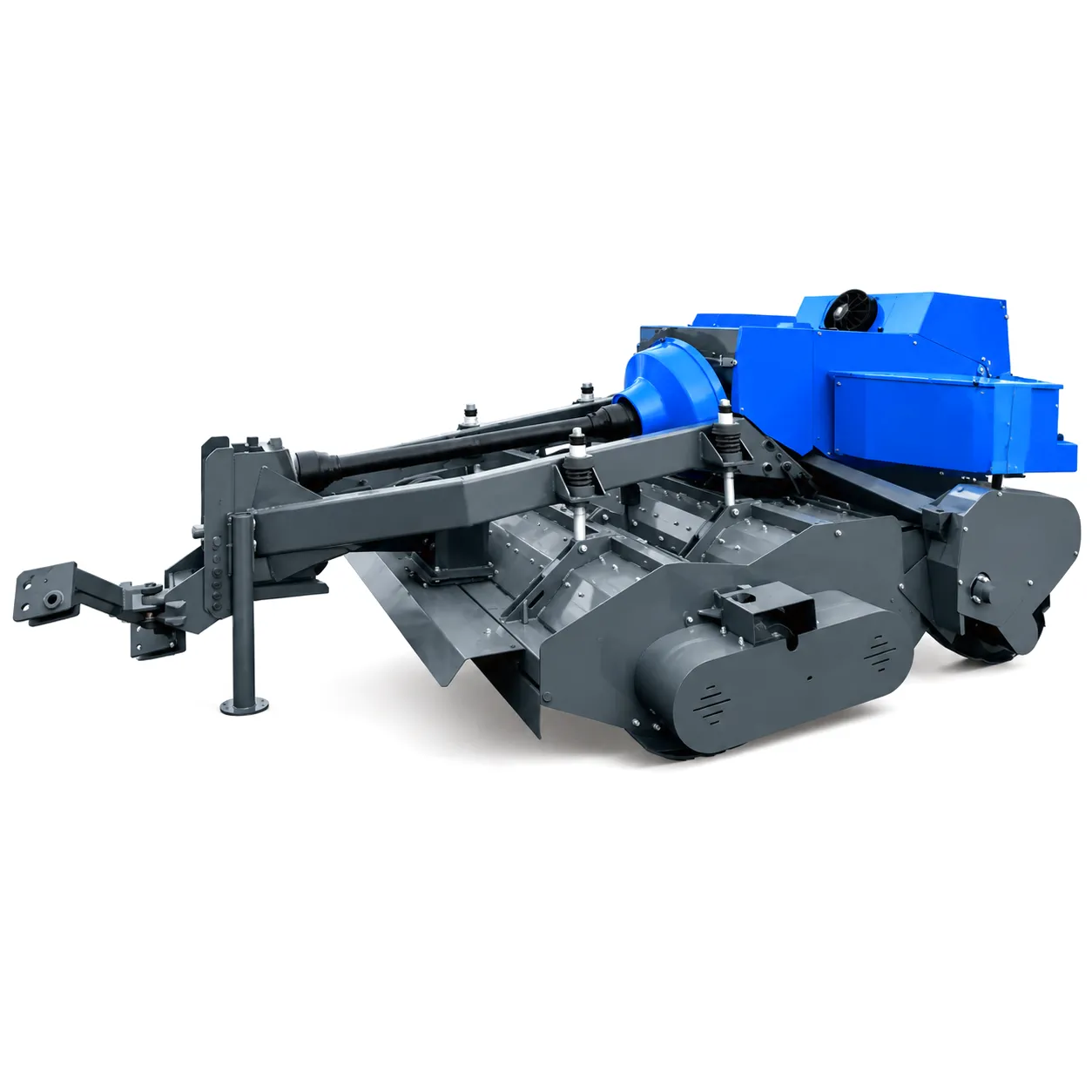
Baler Segiempat Dua Ruang 9YFS-2.2

Double Chamber · High Throughput

Baler Segiempat Dua Ruang 9YFS-2.2

The 9YFS-2.2 double-chamber configuration charges and compresses two bales simultaneously, with a 2,200 mm pickup width and dual integrated crushing mechanisms for exceptional particle size reduction. Designed for contractors requiring maximum daily output during short harvest windows in Northern England and Scotland, this model achieves throughput figures 40 to 50 percent higher than equivalent single-chamber machines while maintaining consistent bale geometry and density across the operating shift.

View Product →

Customer Success Story: Leeds-Based Biomass Contractor Doubles Seasonal Output
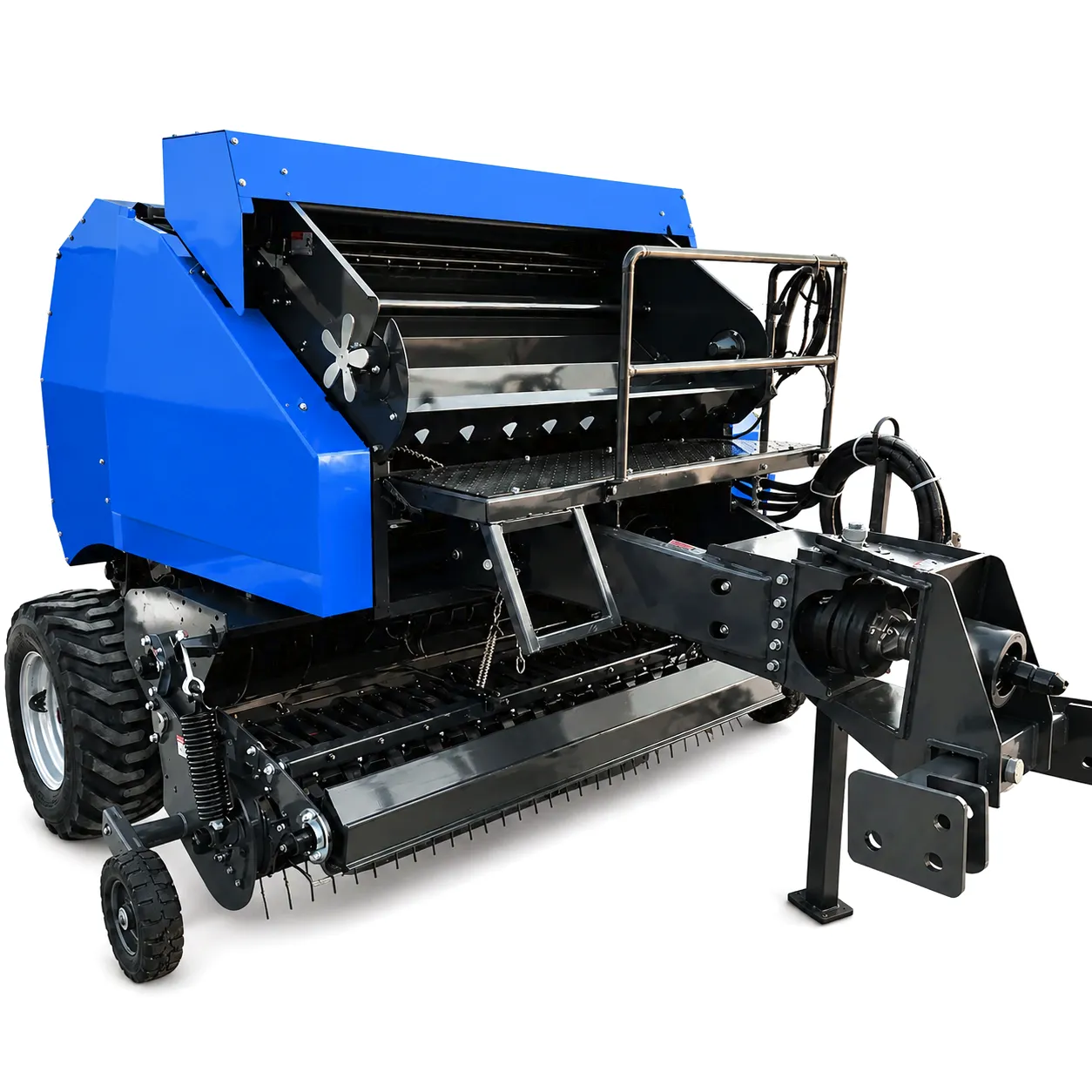
Baler field operation in the UK

Greenridge Agricultural Contracting is a family-run operation based in the Aire Valley east of Leeds, West Yorkshire. The business had been running two conventional single-chamber square balers through the harvest season, supplying straw and miscanthus bales to a biomass power plant in Selby and a number of equestrian feed merchants across North Yorkshire. By mid-August each season, their machines were struggling to maintain consistent bale density under the pressure of tight delivery schedules, and field efficiency was compromised by the need to slow down in heavier-yielding crops to prevent knotter failures.

In spring 2024, Greenridge contacted Ever Power through a machinery distributor in the Humber region. After discussions about their specific operational requirements — the need for a 2,200 mm pickup to handle wide windrows in miscanthus, a higher plunger force for the dense miscanthus crop, and a quad-knotter configuration to eliminate mid-field stoppages — Ever Power’s technical team proposed a customised 9YF-2200 configuration with a heavy-duty plunger assembly and an upgraded flywheel mass to handle the density demands of energy crop baling. The machine was delivered, commissioned, and field-tested within six weeks of order confirmation.

The results of the first full season with the Ever Power machine were measurable and significant. Greenridge recorded a 47 percent increase in bales produced per operating hour compared with their previous equipment, achieved consistently higher bale density — averaging 215 kg/m³ in wheat straw against a previous 165 kg/m³ — and completed the miscanthus season two full weeks earlier than in 2023. Zero knotter failures were recorded across the season. The biomass plant at Selby, which had previously queried inconsistent bale weights on delivery, accepted all bales without complaint under the new contract period. Greenridge is now in discussion with Ever Power about a second machine for the 2025 season to cover an expanded contracting area including the Vale of York.

Ulasan Pelanggan

★★★★★

“The plunger consistency on the Ever Power machine is something we genuinely didn’t expect at this price point. We’ve been baling wheat straw in heavy, late-cut crops and the density has been rock-solid — every bale weighing within 4 kg of the target. The knotter assembly has run the full season without a single failure, which alone makes this machine worth every penny for a contracting operation where downtime is not an option.”

James Thornton, Greenridge Agricultural Contracting
Aire Valley, West Yorkshire
★★★★★

“We supply a biomass plant in Selby under a weight-based contract, so bale consistency directly affects our invoice. Before we switched to Ever Power we were losing 8 to 10 percent of invoice value to under-weight bale deductions. Since commissioning the 9YF-2200, those deductions have dropped to essentially zero. The Ever Power technical team were also genuinely helpful during commissioning — they stayed on the phone while we dialled in the compression settings for miscanthus, which is not easy material to bale at high density.”

Sarah Millburn, Operations Manager
Renewable Biomass Contractors Ltd, Selby, North Yorkshire
★★★★★

“The customisation capability was what sold us on Ever Power. We needed a wider pickup for the miscanthus rows and a specific bale length to suit our storage barn racking system. No other supplier we approached could accommodate both without a 16-week lead time. Ever Power delivered a machine configured to our exact requirements in under six weeks, with full CE documentation and an English-language operator’s manual that my team could actually use. The after-sales parts supply has also been fast — we needed a replacement needle after a stone strike and the part arrived within three working days.”

David Pearce, Director
Pearce Agricultural Services, Lincolnshire

Frequently Asked Questions: Square Balers in the UK Market

Q
What is the average price of a heavy-duty square baler suitable for commercial contracting operations in the UK, and does that cost include delivery?
Pricing for heavy-duty square balers in the UK market ranges from approximately £28,000 to £85,000 ex-works depending on specification — pickup width, plunger force, shredding mechanisms, and knotter configuration all influence the final figure significantly. Delivery to UK ports is typically included within the quoted CIF price for export shipments, after which UK customs clearance and onward haulage are at the buyer’s cost. Ever Power can provide a formal quotation including shipping, insurance, and UK documentation within 48 hours of receiving your specification. Contact our sales team at [email protected] for a transparent, itemised price for your configuration.
Q
How do I choose between a single-chamber and double-chamber square baler for my farm in Yorkshire, and which one gives better value for money?
The choice depends primarily on your daily throughput target and the length of your working season. A single-chamber machine suits farms and contractors producing up to 15,000 to 18,000 bales per season with a single operator; a double-chamber configuration is warranted when season targets exceed 25,000 bales, when weather windows are consistently short, or when you are supplying biomass operations with strict volume commitments and penalty clauses for late delivery. In Yorkshire’s cereal belt, where August weather can be changeable and harvest windows frequently compress to four or five consecutive days, the throughput advantage of a double-chamber machine often justifies the higher capital cost within two or three seasons of operation. We recommend calculating your cost-per-bale on both configurations across your expected season length — our technical team can assist with this analysis on request.
Q
Which square baler supplier in the UK or China can reliably deliver CE-certified machinery with full English documentation and spare parts support within a reasonable lead time?
CE certification, English-language documentation, and parts availability are the three non-negotiable requirements for any commercial machinery purchase in the UK market. Ever Power produces all square balers with CE declarations of conformity prepared to the Machinery Directive (and updated UK PSSR/PUWER-compatible format), full English operator manuals, and illustrated parts catalogues linked to our online parts ordering system. Standard replacement parts — knotters, needles, tines, wear strips — are maintained in stock and dispatched by air freight to UK addresses, with typical delivery of 3 to 5 working days from order. Lead time on new machines is 25 to 45 days from confirmed order and deposit receipt.
Q
How much does it cost to maintain a commercial square baler per season in the UK, and what are the most commonly replaced parts during a heavy harvest year?
Planned maintenance costs for a commercial square baler in the UK typically run between £800 and £2,500 per season depending on throughput and material type. The most frequently replaced components are pickup tines (which wear against soil and stones in normal field operation), knotter components (specifically the bill hook and trip mechanism, which are precision parts subject to wear over millions of cycles), and bale chamber wear strips. Seasonal oil and filter changes, plus re-tensioning of drive chains, complete the standard maintenance schedule. Operating in abrasive conditions — sandy soils in Lincolnshire, for example — accelerates tine and chamber wear, and contingency parts budget should be adjusted accordingly. Ever Power provides a recommended seasonal maintenance kit specific to each model, priced to include all expected consumable components.
Q
Where can I get a competitive quote for a custom-configured square baler for my biomass contracting business based in the East Midlands, and how long does the ordering process take from initial enquiry to machine delivery?
The fastest route to a competitive, specification-accurate quote is a direct enquiry to [email protected]. Outline your pickup width requirement, target bale density, material types, and any specific configuration needs (shredding, double chamber, knotter count). Ever Power’s technical sales team will respond within one working day with a detailed specification proposal and pricing. From confirmed order and initial payment, standard machines ship within 25 to 35 days; custom-configured machines allow 35 to 50 days. Sea freight to UK ports from China takes approximately 28 to 35 days; air freight for urgent replacement machines is available with delivery in 5 to 7 days at additional cost.
Q
What tractor horsepower is needed to run a high-density square baler producing bales above 200 kg per cubic metre in crop conditions typical of Northern England?
For reliable production of bales above 200 kg/m³ in dense cereal straw or energy crop conditions, a tractor with a minimum PTO output of 100 kW (134 hp) is recommended, with 130 kW (175 hp) or above preferred for sustained operation in heavy miscanthus or thick-swath wheat straw in the wetter parts of Northern England. Machines operating at the upper end of their compression range draw significant flywheel energy per stroke, and a marginal tractor will exhibit speed hunting and cylinder temperature rise under continuous load. The flywheel design on Ever Power’s heavy-duty models provides some buffering, but a correctly rated tractor remains the most important single factor in achieving consistent high-density bale production throughout a long working day.

Ready to Specify Your Square Baler? Talk to Ever Power

Send us your specification and we’ll have a detailed, itemised quote back to you within one business day.

📩 Get a Quote: [email protected]

suntingan oleh gzl