Description
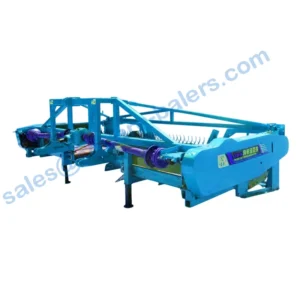
The 4BYH-1.3 Kidney Bean Uprooting Machine represents a refined convergence of agronomic engineering, mechanized harvesting theory, and real-world field validation. As global legume cultivation expands under the dual pressures of labor shortages and yield optimization, mechanization solutions have evolved from optional add-ons to operational necessities. This machine, designed to strike a delicate balance between efficiency and crop integrity, offers growers a reliable solution for harvesting green beans with minimal loss and maximum uniformity.
Technical Specification
| Serial Number | Item | Unit | Specification |
|---|---|---|---|
| 1 | Model Name | / | 9GQY-3.2 Type Mower-Crusher |
| 2 | Towing/Hitching Method | / | Side-Towed Type |
| 3 | Cutting Width | m | 3.2 |
| 4 | Cutter Structure Type | / | Rotary Type |
| 5 | Number of Cutter Disks | piece | 8 |
| 6 | Crusher Type | / | Hammer-Tooth Crusher |
| 7 | Spreading Width | m | 0.8-2.2 |
| 8 | Matching Power Range | kW/hp | ≥80.88/110 |
| 9 | Operating Speed Range | km/h | 6~15 |
| 10 | PTO Speed | r/min | 540-1000 |
| 11 | Number of Moving Blades | piece | 16 |
| 12 | Overall Dimension (L×W×H) | mm | 6750×3500×2000 |
| 13 | Average Cutting Stubble Height | mm | ≥50 |
| 14 | Operator Count | person | 1 |
| 15 | Structural Weight | kg | 2185 |
Product Definition
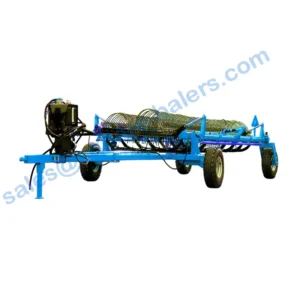
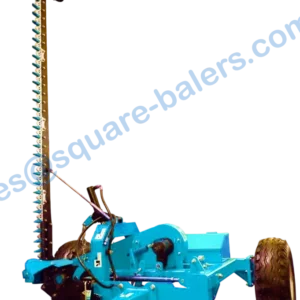
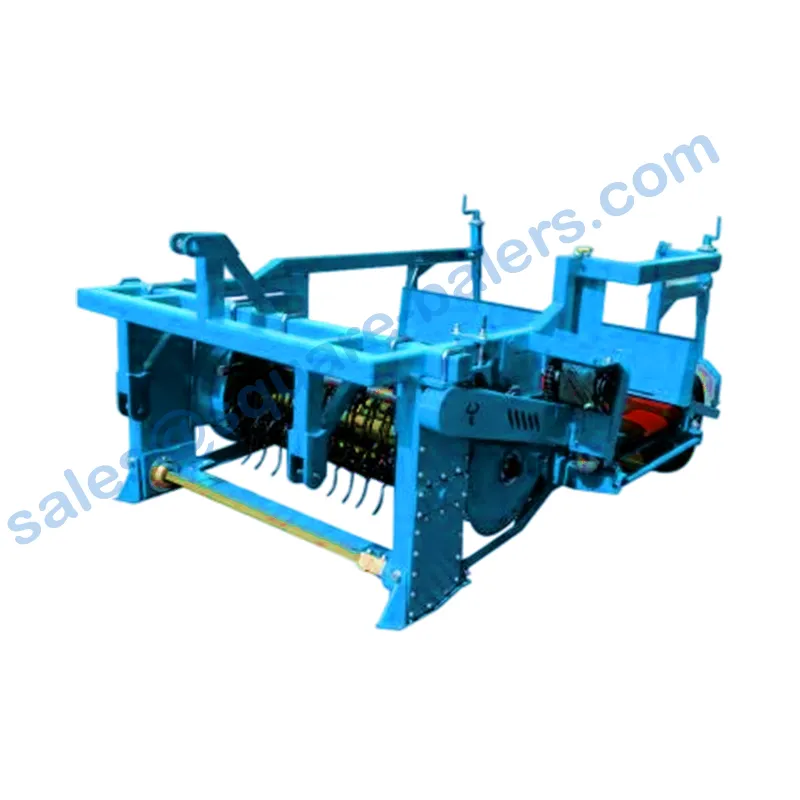
The 4BYH-1.3 Kidney Bean Uprooting Machine is a specialized agricultural Uprooting Machine engineered to mechanically lift kidney bean plants from the soil while preserving pod structure and root integrity. It is a mechanical bean harvester that integrates soil loosening, plant lifting, and alignment into a single, continuous operation. Designed specifically for small to medium-scale bean cultivation, it bridges the gap between manual harvesting and large-scale combine harvesting systems.
Problems Solved and Core Applications
Harvesting kidney beans presents unique agronomic challenges due to their shallow root system, uneven ripening, and fragile pods. Traditional manual weeding is labor-intensive and time-consuming, and is becoming increasingly impractical with dwindling rural labor forces. Conversely, general-purpose harvesting machinery often results in unacceptable crop losses.The 4BYH-1.3 Kidney Bean Uprooting Machine addresses these issues by providing consistent uprooting depth, controlled soil disturbance, and synchronized plant handling.
Its applications extend beyond kidney beans to include other pulse crops with similar root morphology, making it a versatile pulse crop uprooter for diversified farms. It is particularly effective in regions where mechanization must adapt to fragmented plots, variable soil textures, and climate-driven harvesting windows.
Product Advantages
Precision Uprooting Architecture
The machine employs calibrated lifting blades and oscillatory mechanisms that penetrate beneath the root crown without severing pods. This precision reduces field losses and maintains post-harvest quality, a critical factor for both seed-grade and commercial bean markets.
Adaptability to Soil Variability
From loamy plains to compacted clay soils, the 4BYH-1.3 Kidney Bean Uprooting Machine demonstrates stable performance. Adjustable working depth and blade angle allow operators to fine-tune performance according to soil resistance, moisture content, and crop density.
Labor Cost Optimization
By replacing manual uprooting crews, the machine significantly reduces labor dependency. A single operator can manage large acreage within tight harvest windows, enabling farms to reallocate human resources to higher-value tasks.
Compatibility with Small and Medium Farms
Unlike oversized harvesting equipment, this kidney bean uprooting machine for small farms is designed for narrow row spacing and limited field access. Its compact footprint ensures maneuverability without compromising throughput.
Reduced Post-Harvest Loss
Uniform uprooting and gentle plant handling minimize pod detachment and mechanical damage. This translates into higher marketable yield and improved storage stability.
Working Principle of the 4BYH-1.3 Kidney Bean Uprooting Machine
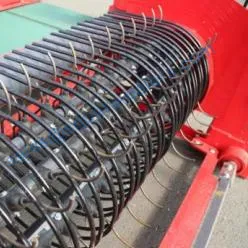
The operational principle of the 4BYH-1.3 Kidney Bean Uprooting Machine is grounded in synchronized mechanical interaction between soil, root systems, and lifting components.As the machine moves forward, its leading blades penetrate the soil to a preset depth, loosening the soil beneath the plant roots. Then, a swing-arm lifting fork lifts the entire plant upwards, separating it from the soil.
A subsequent guiding mechanism arranges the pulled plants into strips for natural drying or downstream collection. Power is typically drawn from the tractor’s power take-off shaft (PTO), ensuring stable torque and excellent performance. The entire workflow is carefully designed to maintain operational continuity, minimize downtime, and ensure even coverage in the field.
Main Application Scenarios
Smallholder Pulse Farms
Ideal for fragmented landholdings where large harvesters are impractical, providing mechanized efficiency without excessive capital investment.
Seed Production Fields
Ensures gentle handling required for certified seed operations, preserving germination rates and varietal purity.
Organic Farming Systems
Mechanical uprooting reduces reliance on chemical desiccants, aligning with organic compliance standards.
Regions with Labor Shortages
Particularly valuable in areas experiencing seasonal labor constraints or rising wage pressures.
Export-Oriented Bean Producers
Improved uniformity and reduced damage support higher grading standards demanded by international buyers.
Multi-Crop Rotation Farms
As a pulse crop uprooter, it integrates seamlessly into rotations involving legumes, cereals, and oilseeds.
How to Choose the Right 4BYH-1.3 Kidney Bean Uprooting Machine
Assess Field Size and Layout
Evaluate acreage, row spacing, and field geometry. Smaller plots benefit from compact configurations that enhance maneuverability without sacrificing efficiency.
Understand Soil Conditions
Soil texture and compaction levels influence blade selection and power requirements. Adjustable depth control is essential for heterogeneous fields.
Match Tractor Power
Ensure compatibility between tractor PTO output and machine power demand to avoid inefficiencies or mechanical strain.
Consider Crop Variety
Different kidney bean cultivars exhibit varying root strength and pod placement, necessitating adaptable lifting mechanisms.
Evaluate After-Sales Support
Reliable technical support and spare parts availability are critical for minimizing downtime during peak harvest periods.
Long-Term Cost Efficiency
Beyond initial price, consider durability, maintenance intervals, and resale value when selecting equipment.
Maintenance Methods
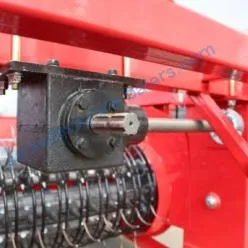
Routine maintenance is crucial for maintaining continuous equipment performance. Daily checks should include assessing blade wear, tightening bolts, and removing debris. Lubricating moving joints reduces friction-induced wear. Seasonal maintenance includes replacing worn parts, calibrating the lift depth, and inspecting the drive system. Proper storage in a dry environment prevents corrosion and extends service life.
Customer Reviews
Using this machine completely changed how we handle kidney bean harvesting. Before, we relied on seasonal workers, and timing was always uncertain. Now, harvesting is predictable, faster, and far less stressful. The machine performs well even in heavier soils, and crop loss is noticeably lower. Maintenance is straightforward, and spare parts availability has been reliable. Overall, it has paid for itself faster than expected through labor savings and improved yield consistency.
– Miguel Hernandez, Mexico
Our cooperative farms beans primarily for export markets, so quality matters. This Uprooting Machine delivers consistent uprooting without damaging pods. Even during damp seasons, performance remains stable. Operators adapted quickly, and training requirements were minimal. The investment made sense for our scale, and the after-sales support was responsive.
– Anna Kowalska, Poland
As a small-scale farmer, finding mechanization that fits our land size is challenging. This kidney bean uprooting machine for small farms was a good match. It handles uneven plots well and doesn’t require excessive tractor power. Harvest time has been reduced significantly, and the physical strain on workers is gone.
– Ramesh Patel, India
We grow multiple pulse crops, and versatility is important. The machine works not only for kidney beans but also for other legumes. Build quality feels solid, and adjustments are intuitive. Compared to manual harvesting, losses are clearly reduced.
– Luca Bianchi, Italy
Labor availability has become unpredictable in our region. This mechanical bean uprooter allowed us to regain control over harvest timing. The machine is robust, easy to maintain, and suited to our rotational farming system. It has become a core part of our operations.
– Sarah Thompson, Australia
Why Choose Our Product
We provide rapid customization to match regional agronomic conditions, ensuring each machine aligns with specific field requirements. Our service capability extends from pre-sale consultation to post-sale technical support. A comprehensive three-year warranty guarantees peace of mind, while our global logistics network enables fast delivery worldwide. Our after-sales service infrastructure ensures prompt response and long-term operational reliability.
Company Strength and Product Promotion
As a leading manufacturer of kidney bean harvesters in China, our production facilities integrate advanced processing technology, rigorous quality control, and continuous innovation. We offer highly competitive prices while ensuring product durability and performance. In addition to the 4BYH-1.3 Kidney Bean Uprooting Machine, we also provide matching accessories, replacement parts, and related harvesting equipment to support complete agricultural solutions.
We cordially invite growers, distributors, and agribusinesses to learn about this solution, assess its advantages, and contact us to discuss procurement and customization. Take action now to modernize your harvesting process and ensure sustainable productivity gains.
FAQ
1. What is the typical workflow for using a Uprooting Machine in kidney bean fields?
A standard workflow includes pre-harvest field inspection, setting working depth, running trial rows, then continuous uprooting with steady tractor speed. After uprooting, plants are usually windrowed for field drying before pickup. For best results, avoid operating immediately after heavy rain to reduce soil adhesion and pod contamination.
2. How do I choose the best machine for kidney bean harvesting if my farm has uneven plots?
For uneven plots, prioritize adjustable depth control, stable ground-following components, and easy on-the-go calibration. A mechanical bean uprooter with robust frame geometry and anti-vibration design helps maintain consistent uprooting depth on slopes and terraces. Also consider turning radius and transport width for narrow access roads.
3. Is this kidney bean uprooting machine for small farms economical compared with manual harvesting?
Yes. For small farms, the economic case often comes from reducing peak-season labor costs and preventing delayed harvest losses. Even if acreage is modest, a kidney bean uprooting machine for small farms can pay back through fewer hired workers, faster field completion, and improved grade due to reduced pod shattering and soil staining.
4. What soil moisture range is ideal when operating a pulse crop uprooter?
Moderate moisture is ideal: soil should crumble rather than smear. If soil is too wet, it forms clods and sticks to plants; too dry, blades may struggle to undercut roots and can increase pod shatter. A pulse crop uprooter performs best when the soil shows friable structure and root crowns lift cleanly.
5. How can I reduce pod shattering while using a mechanical bean uprooter?
Keep a steady, moderate forward speed and avoid abrupt acceleration. Adjust lifting angle so plants rise smoothly rather than snapping upward. Operate during cooler hours if possible, when pods are less brittle. Proper field leveling and removing large stones also reduces vibration—an often overlooked contributor to shatter.
6. What tractor specifications should I match to an Uprooting Machine for kidney beans?
Match PTO capability, hydraulic compatibility (if applicable), and traction. Beyond horsepower, ensure the tractor can maintain stable speed under load and has adequate ballast to prevent wheel slip. In lighter soils, traction is easy; in heavier soils, tire selection and weight distribution matter as much as power output.
7. What makes a kidney bean uprooting machine manufacturer in China reliable for long-term supply?
Reliability typically comes from standardized component sourcing, consistent metallurgy, documented QC processes, and proven export support. A kidney bean uprooting machine manufacturer in China should provide serial traceability, spare-parts lists, and service documentation. Look for warranty clarity and evidence of stable international shipping fulfillment.
8. Can the same Uprooting Machine be used for other pulse crops besides kidney beans?
Often yes. Many growers use one unit as a pulse crop uprooter for crops like adzuki beans, mung beans, or similar legumes with comparable root systems. However, settings may differ: working depth, lifter spacing, and guiding plates should be adjusted according to stem thickness and pod height to prevent excessive loss.
edit by gzl