Response within 24 hours · Export pricing available · Tailored specifications for UK operations
How a Square Baler Works: Mechanical Principle and System Architecture
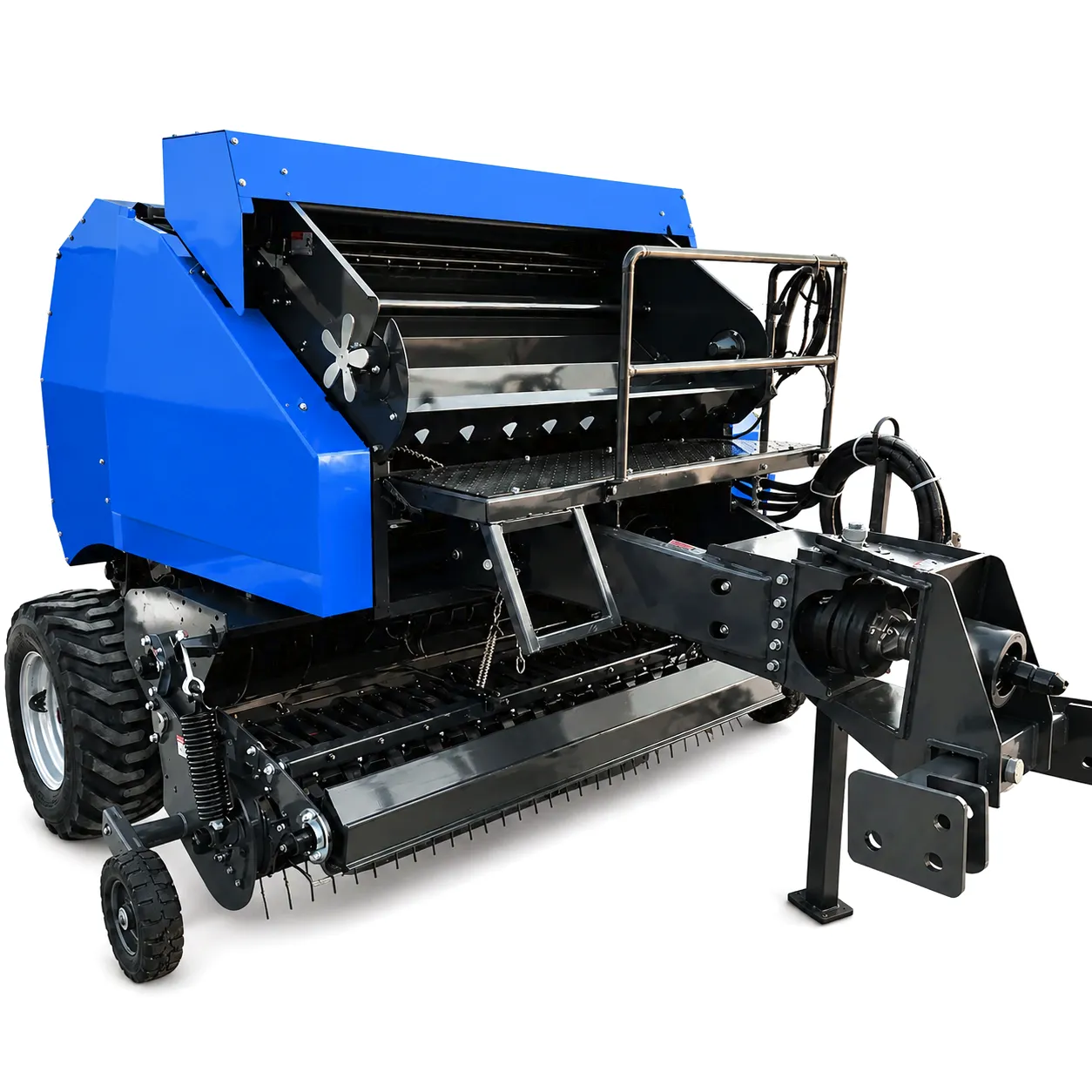
Pick-up and Crop Feeding System
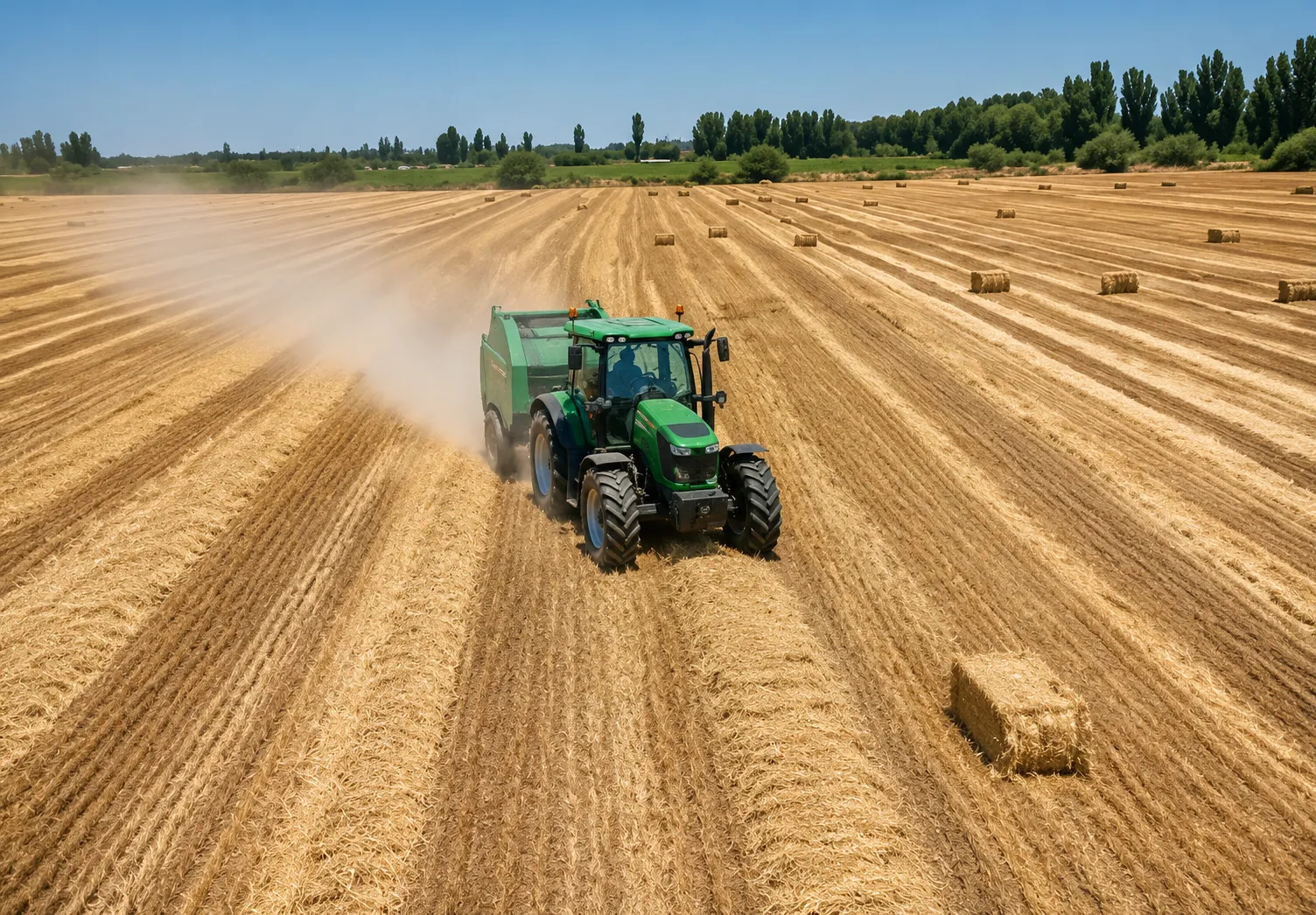
The pick-up reel — typically spanning 1.7 m to 2.2 m in working width — uses hardened spring-steel tines mounted on a rotating drum to lift windrowed material cleanly off the ground. A cross-conveyor auger or paddle rotor then moves the gathered crop sideways into the pre-compression chamber. This lateral consolidation step is critical: it pre-forms a consistent flake of material before it enters the main bale chamber, directly influencing bale density uniformity throughout the entire bale length. High-capacity machines incorporate hydraulic load-sensing on the auger drive so that the system automatically throttles back crop intake when the plunger load exceeds a set threshold, protecting both the gearbox and the knotting system from overload events — a particular advantage on the heavier, wetter crops common in the wetter climates of Scotland and northern England.
Plunger Compression Mechanism
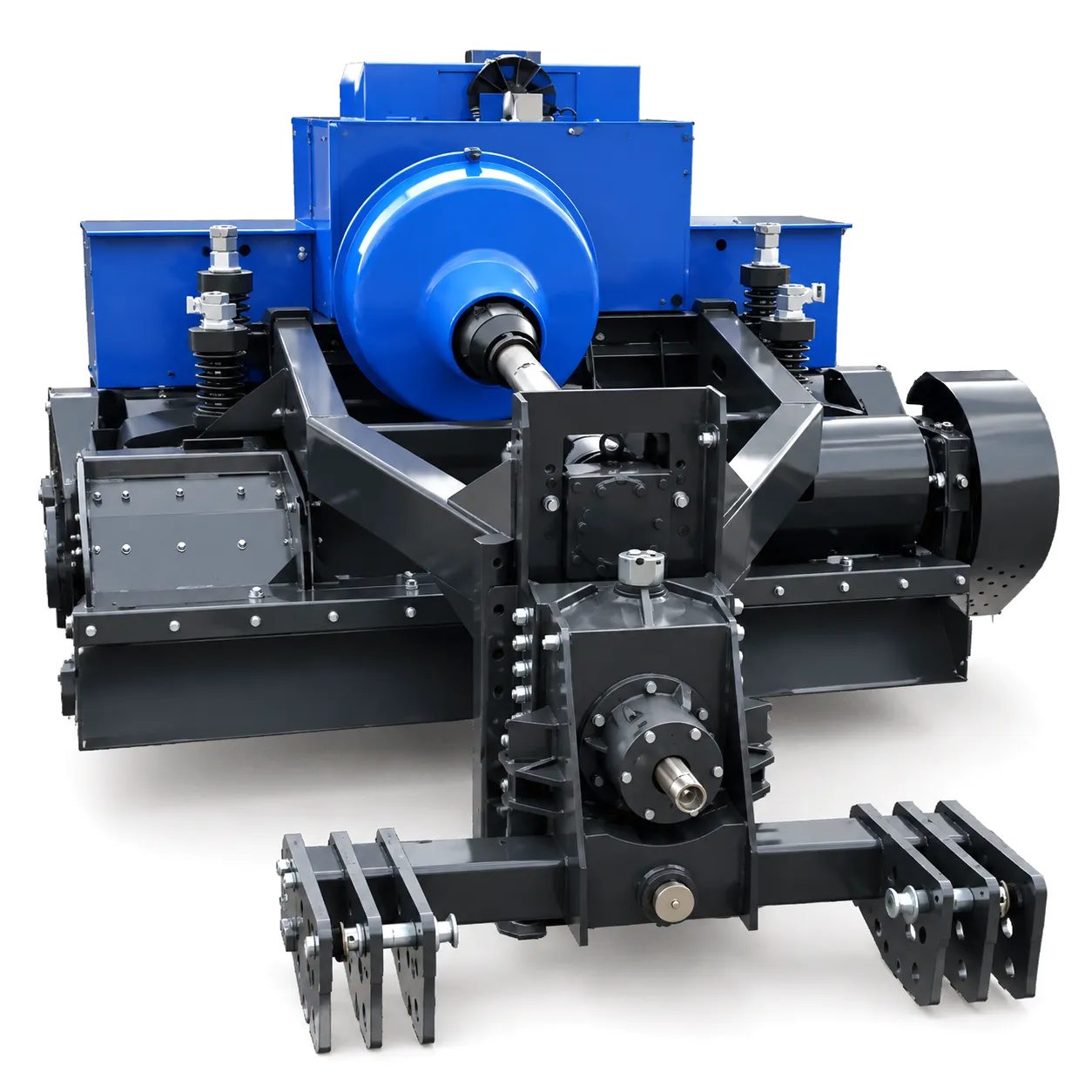
The heart of any square baler is the reciprocating plunger, driven by a heavy-duty crankshaft and connecting rod assembly that converts the rotary PTO input (typically 540 or 1000 RPM) into a linear compression stroke. On large-format machines, the plunger face may measure 1.2 m x 0.7 m or larger, and the compression force delivered on each stroke can reach 180–220 kN. The plunger slides within a precision-machined bale channel, and the clearance between plunger faces and channel walls is held to very tight tolerances — typically under 0.3 mm — to prevent crop material from bypassing and causing blockages. The stroke rate on high-throughput machines ranges from 30 to 55 strokes per minute, and the gearbox driving the crank must be designed with appropriate service factor ratings to cope with the severe cyclic loading these machines experience over multi-thousand-hour service lives.
Knotting System and Twine Delivery
The knotting system is widely regarded as the most precision-critical assembly on the entire machine. A star-wheel metering device measures accumulated bale length; when the pre-set length is reached, a mechanical or electronic signal activates the knotter. Twine needles arc through the bale channel, threading sisal or polypropylene twine around the compressed bale slug. The knotter bill hooks engage the twine strands, form a defined loop, and cut — all within a fraction of a second. Premium machines use double-knotter arrangements at each twine position, providing redundancy so that a single knotter issue does not result in an untied bale ejected into the field. Knotter timing and bill hook-to-disc clearance must be checked and reset regularly — typically every 200–300 hours of operation — to maintain the near-zero miss-knot rates expected in commercial contracting work.
Core Materials in Square Baler Construction
Material selection in a square baler is driven by an unforgiving combination of cyclic fatigue loads, abrasive crop contact, and the need for long service intervals demanded by professional agricultural contractors. The bill of materials on a commercial-grade machine reads like a metallurgical specification sheet for a heavy industrial application — which is exactly what it is.
High-tensile structural steel (typically S355 or equivalent) welded into a closed-section box frame. Heavily gusseted at load transfer points. Hot-dip galvanised or epoxy-powder-coat finished for corrosion resistance in humid UK field conditions.
Hardox 450 or equivalent abrasion-resistant steel on the plunger face and channel liner sections. This material offers a Brinell hardness of 425–475 HBW, resisting the continuous abrasion caused by millions of crop compression strokes without dimensional degradation of the critical clearance geometry.
Forged alloy steel crankshaft, typically 42CrMo4 or 34CrNiMo6, induction-hardened at bearing journals. Main gearbox housings in nodular cast iron (GJS-500-7) for weight efficiency combined with adequate impact resistance. All gear sets are carburised and case-hardened.
Spring-steel tines (65Mn or equivalent), heat-treated to achieve both the hardness needed for ground contact durability and the toughness to resist tip fracture. The rotor drum itself is typically laser-cut, CNC-formed mild steel, balanced dynamically to prevent vibration at operating speed.
Bill hooks, disc knotters, and twine holders machined from cast alloy steel, then selectively surface-hardened to case depths of 0.8–1.2 mm. Needle assemblies use oil-quenched tool steel to maintain rigidity under the considerable bending forces encountered when driving through a fully compressed bale slug.
Key Product Advantages Over Competing Baling Technologies
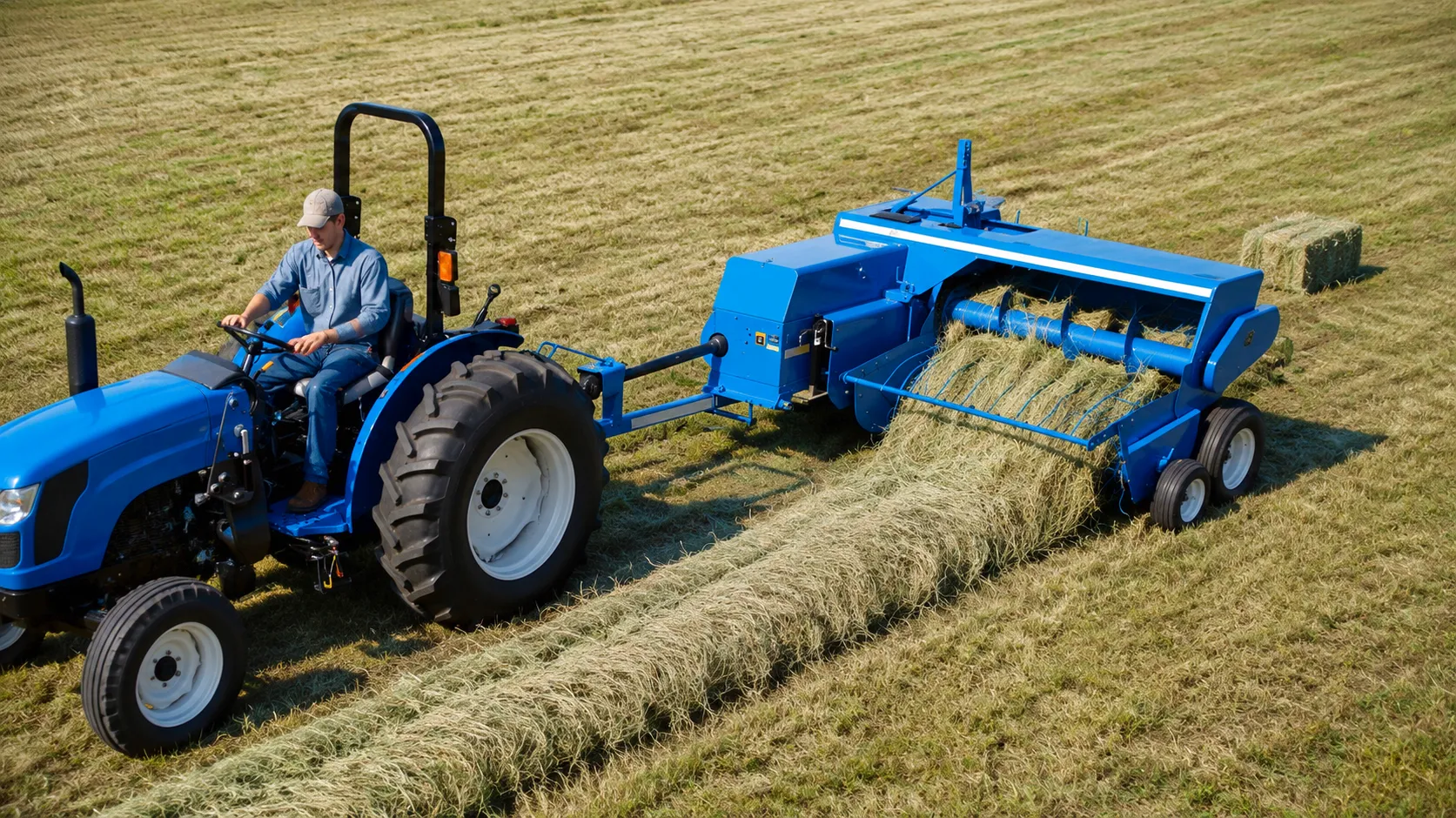
Square bales achieve 95–100% volumetric fill of flatbed trailers and shipping containers, maximising payload and reducing haulage cost per tonne of dry matter delivered.
Uniform geometry integrates directly with in-barn conveyor systems, robotic de-stacking lines, and pallet-based distribution — a growing requirement for commercial equestrian, livestock, and biomass fuel supply chains.
Adjustable bale tensioners allow the operator to dial in bale density from around 170 kg/m³ for light straw up to 260 kg/m³ or more for dense hay or miscanthus, without changing machine settings between bale types during a single session.
Higher compression densities in a square bale limit internal oxygen content, reducing the risk of heating and mould in stored dry hay — a meaningful quality advantage in the unpredictable drying weather typical of the British summer season.
Technical Performance & Specification Parameters
The table below consolidates the critical engineering parameters applicable to commercial-grade large square balers operating in UK agricultural and industrial biomass applications. Values are indicative across the mid-to-large machine segment; individual machine specifications vary by manufacturer and model configuration.
Industrial and Agricultural Application Scenarios Across the UK
Square balers are deployed across a remarkably diverse range of crop types and end-use markets in the United Kingdom. Each application places distinct demands on the machine in terms of crop intake rate, compression pressure, bale density target, and knotting reliability.
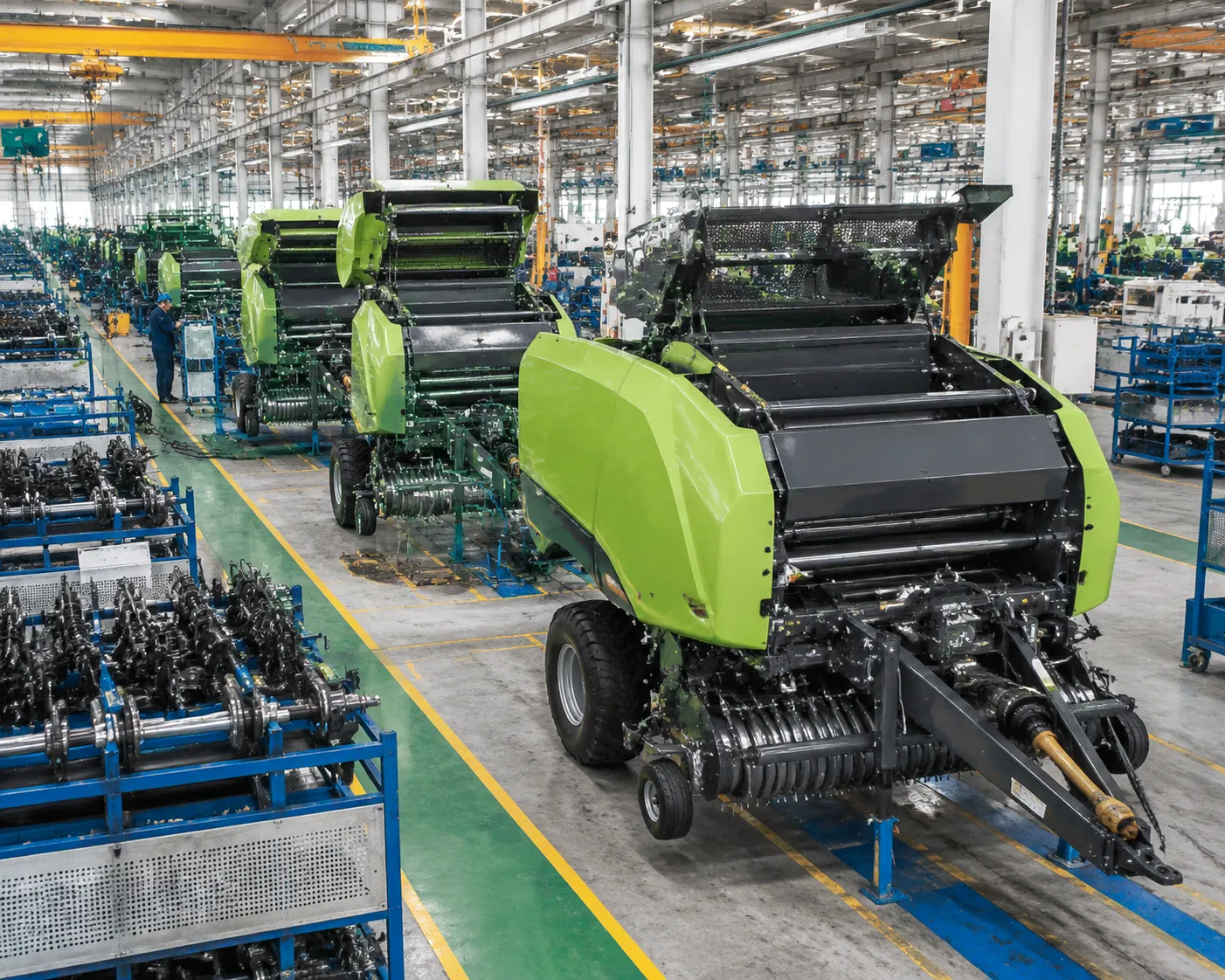
Ever Power: Precision Manufacturing and Full Customisation Capability
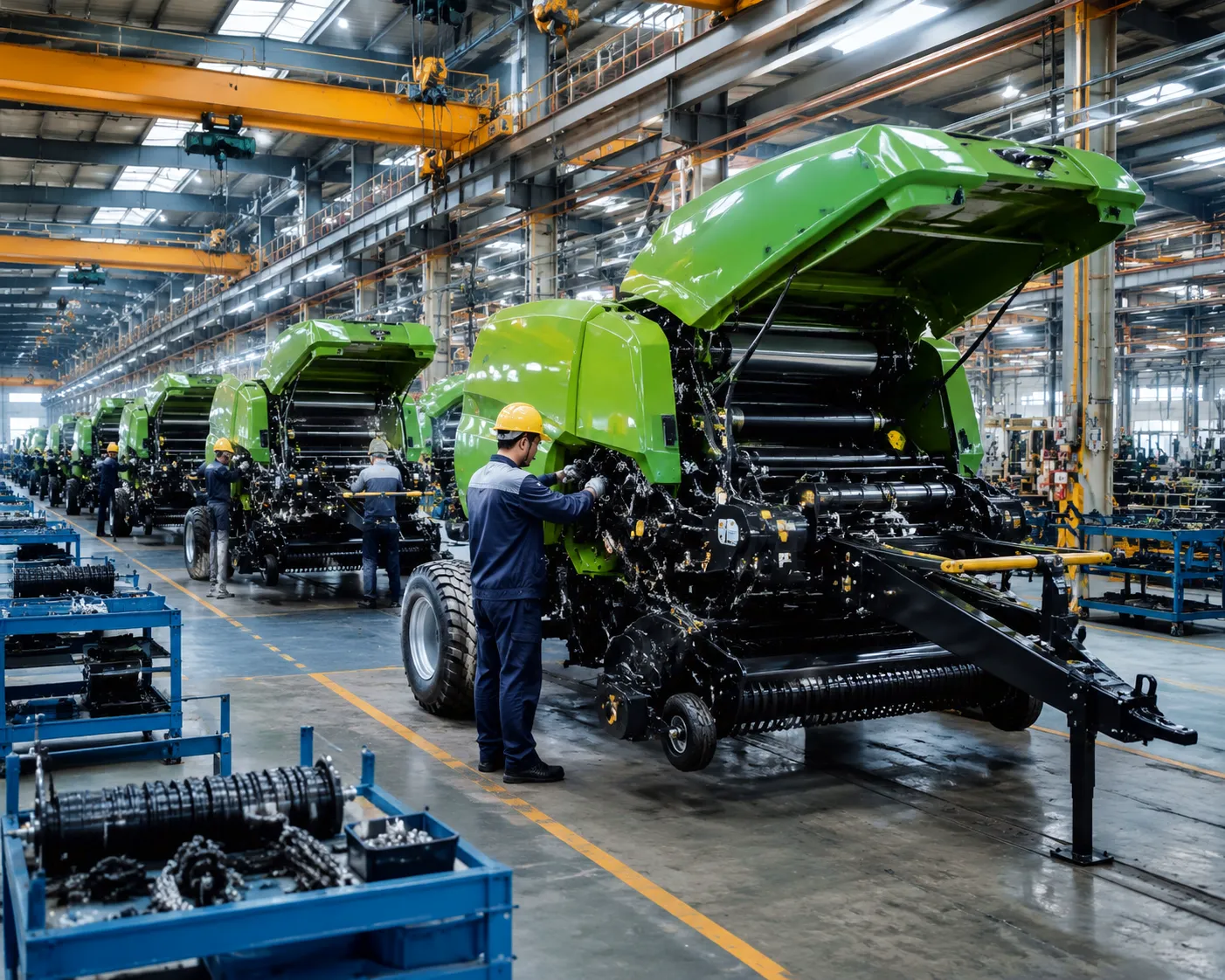
What distinguishes Ever Power from many equipment suppliers is the depth and scope of customisation capability the engineering team can deliver. Rather than operating within a fixed product catalogue, Ever Power’s technical team works directly with clients — whether UK agricultural contractors, large farm estates, biomass plant operators, or export intermediaries — to define the exact specification required. This includes adjustment of bale channel dimensions, modification of the pick-up width and tine pitch to suit specific crop types, integration of hydraulic density control systems, and the addition of crop-cutting or pre-shredding mechanisms ahead of the main compression chamber. Electronic systems, including load monitoring, bale counting, and remote diagnostics interfaces, can be integrated to suit the client’s operational requirements.
- Bale channel cross-section to customer specification
- Pick-up width from 1.7 m to 2.2 m
- Hydraulic or mechanical density control
- Pre-shredding / crop cutting attachment integration
- 4- or 6-twine knotter configuration
- Electronic bale monitoring and diagnostics
- Export packing and documentation to UKCA / CE standards
- Spare parts kits and commissioning support
- ISO 9001-aligned quality management system
- Robotic MIG/MAG welding with full weld inspection
- CNC laser and plasma cutting to ±0.2 mm
- In-house gear and crankshaft machining
- Heat treatment and hardness verification testing
- Load and function test bench for all completed assemblies
[email protected] · Competitive FOB/CIF pricing · UK import documentation available
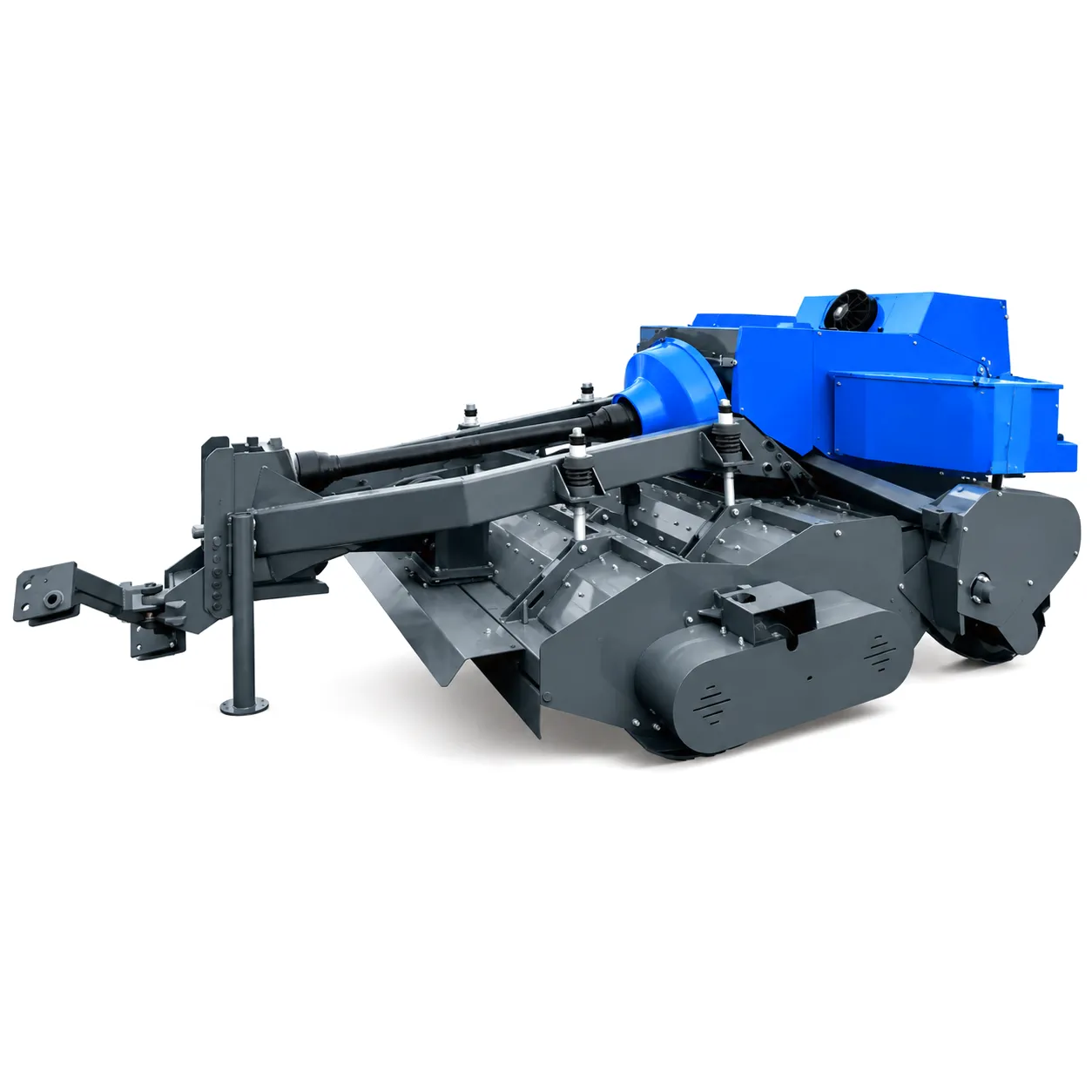
Featured Ever Power Square Baler Models
Customer Success Story: Derbyshire Arable Contracting, East Midlands
After reviewing options through an equipment importer, the business made contact with Ever Power and entered into a detailed specification discussion with the technical sales team. The specific requirements — a pick-up width of at least 2.0 m, a 6-twine knotting system with double-knotter redundancy, and a hydraulic density control allowing on-the-go adjustment without stopping — were all accommodated in the delivered specification. The machine was configured with a pre-shredding rotor ahead of the bale chamber, which the team wanted specifically for their hemp straw baling contract in Staffordshire. Commissioning was completed on-site before the hay season, and the machine went into full commercial operation within the week.
Over the following 14-month operating period covering two full baling seasons, the machine completed over 68,000 bales across straw, hay, and hemp straw — achieving a miss-knot rate below 0.15%, a figure the business’s workshop manager described as the best they had ever seen in their operating history. Fuel consumption per hundred bales ran around 11% lower than their older machine on equivalent crops, and the on-the-go density adjustment proved particularly valuable during the hay season, where morning dew conditions required lower density settings early in the day, transitioning to full density as afternoon drying progressed. The Marchington team have since placed a repeat order for a second configured unit for their expanded 2026 season.
“The knotter reliability on this machine is genuinely in a different class from what we had before. Across 40,000 bales of barley straw and meadow hay last season, we had four miss-knots. Four. That is an extraordinary figure for a working contracting machine, and it has made a real difference to our relationships with our equestrian customers, who inspect every bale.”
James Marchington — Director, Marchington Agricultural Services, Staffordshire
“The customisation process with Ever Power was thorough and professional. Their engineering team understood our crop-mix challenge immediately and recommended the pre-shredder configuration without us having to push for it. The final machine arrived exactly to spec and has performed perfectly on everything from light barley straw to the dense hemp crop — and density adjustment on the move has been a genuine time-saver.”
Paul Sutton — Workshop Manager, Marchington Agricultural Services
“We source square bales from Marchington Agricultural for our hay export business, and the quality change from when they switched to the Ever Power machine was immediately visible. Bale weight variance is down, corners are consistently well-formed, and twine tensions are even across the full bale length. These things matter enormously when you are loading a 40-foot container and selling on specification.”
Alison Parkes — Procurement Manager, Midlands Hay Exports Ltd, Nottinghamshire
Часто задаваемые вопросы
Common questions from UK agricultural contractors, farm managers, and procurement teams evaluating square baler options.
What is the typical price range or cost I should budget for a commercial-grade large square baler suitable for UK contracting operations?
New large-format square balers in the UK market range from approximately £55,000 to over £200,000 depending on size, specification, and manufacturer. Factory-direct sourcing from manufacturers like Ever Power, with bespoke configuration to your specific crop and operational requirements, can offer significant cost advantages compared to premium European OEM pricing. Contact Ever Power for a detailed quote tailored to your specification.
Which square baler configuration is best suited for baling miscanthus or energy crop straw in the East Midlands and East Anglia biomass supply chains?
For biomass energy crops such as miscanthus, a large-format square baler with a minimum 2.0 m pick-up width, a crop pre-shredder or cutting rotor, and a hydraulic high-density compression system is the most appropriate configuration. The 9YFS-2.2 Double-Chamber Square Baler from Ever Power is specifically suited to this demanding application, delivering consistent density specifications required by biomass plant procurement contracts.
How do I find a reliable square baler supplier or manufacturer who can provide customised specifications and export documentation for importing into the UK?
Ever Power offers full factory-direct supply with customised engineering, competitive FOB and CIF pricing, and complete export documentation including CE / UKCA conformity paperwork appropriate for UK market import. Their technical sales team works through the specification process step by step with the buyer. Direct enquiries to [email protected] for a structured quotation.
What tractor power is recommended when operating a high-output square baler for heavy hay or hemp straw crops in Lincolnshire or Staffordshire?
Large-format high-density square balers typically require a minimum of 130–180 kW (175–240 hp) continuous PTO power for dense hay and hemp straw. Under sustained high-output conditions in demanding crops, additional power headroom of 15–20% above the stated minimum is advisable to maintain stroke rate consistency and prevent transmission overload events during peak field conditions.
How often does the knotting system on a commercial square baler need to be serviced to maintain reliability on a high-volume UK contracting operation?
Knotter timing checks, bill hook clearance inspection, and lubrication of the full knotter assembly should be performed every 200–300 operating hours at a minimum, and a comprehensive knotter rebuild — replacing bill hook springs, twine holder tension discs, and any worn disc surfaces — should be scheduled annually or at the start of each main season, whichever comes first. In high-volume contracting, many operators carry a spare pre-set knotter assembly for rapid field swap-out.
Where can a farm or contractor in Scotland or northern England get competitive pricing and technical support for a square baler with a 2-metre pick-up and 6-twine system?
Ever Power supplies direct to UK buyers including Scotland and northern England, with competitive pricing on fully specified machines. The 9YF-2200 model in particular can be configured with a 2.2 m pick-up and a 6-twine knotter system, making it a strong candidate for high-output hay and straw operations anywhere in Great Britain. Technical pre-sales support is available via the sales team at [email protected].
отредактировано gzl