Square Balers: Engineering Efficiency into Every Bale — The Definitive UK Industry Guide
Precision engineering, field-proven performance, and smarter crop handling — from Yorkshire silage fields to Scottish cereal plains, modern square balers are reshaping how UK agricultural operations manage biomass and forage.
Response within 24 hours · Customised specifications available
How a Square Baler Actually Works: Mechanical Principles Explained
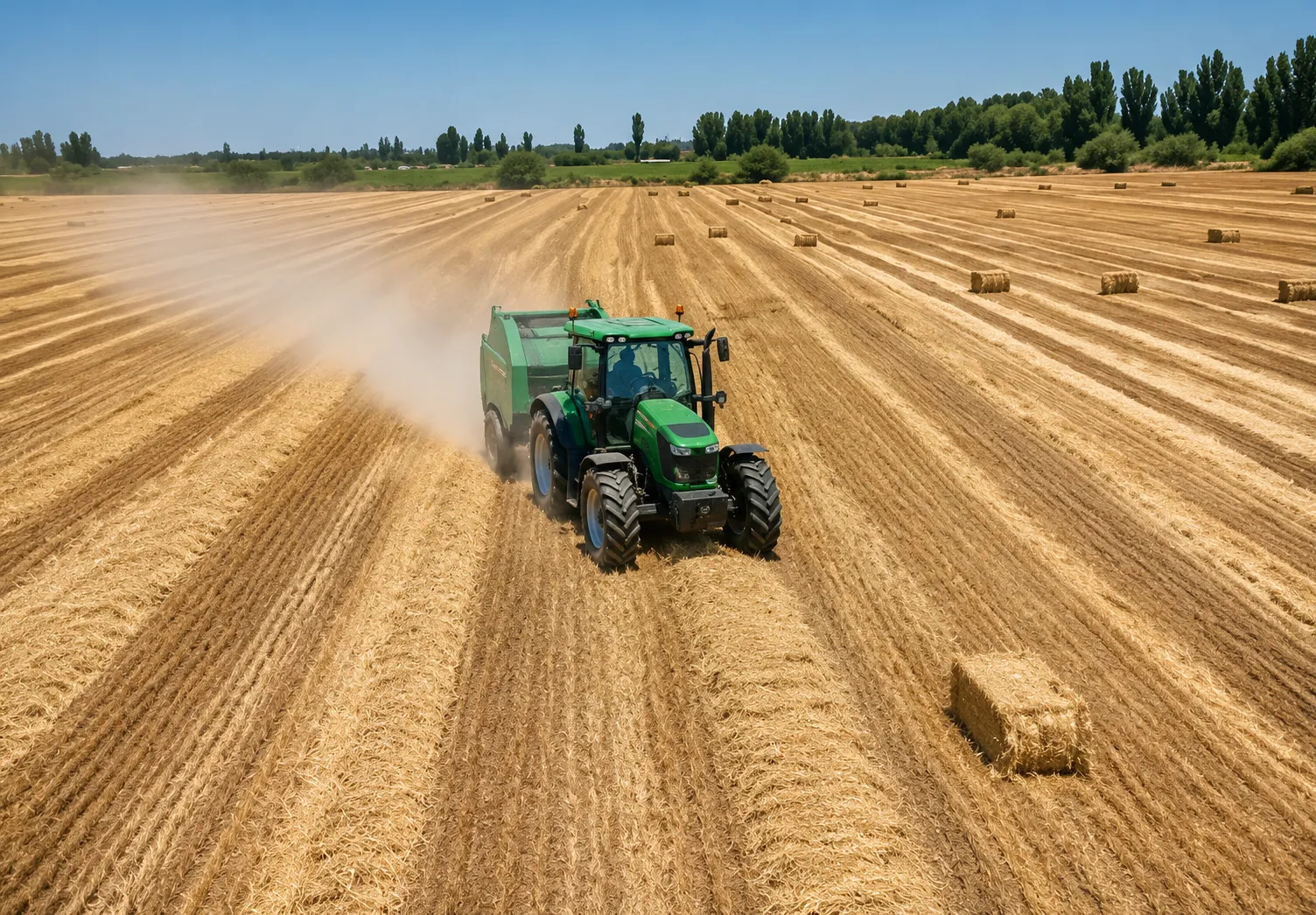
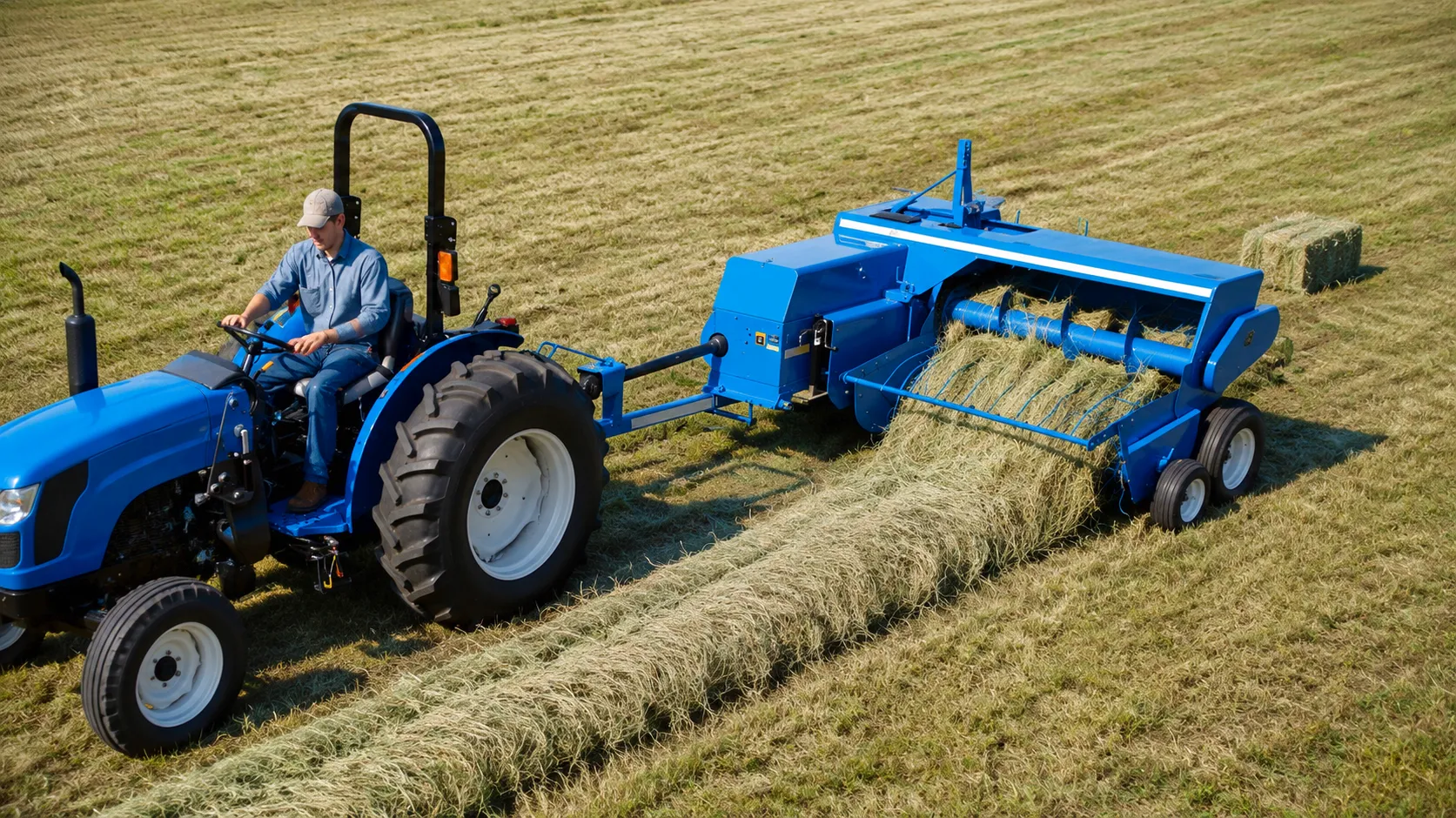
The operating cycle of a square baler begins at the pick-up reel — a rotating tine assembly that lifts cut material from the windrow and feeds it into the auger channel. The auger compresses the material laterally before a pre-charge fork delivers measured charges into the bale chamber. Inside the chamber, a reciprocating plunger driven by a heavy-duty crankshaft assembly compresses each charge against the previously formed bale section. The plunger force — typically between 80 kN and 280 kN on heavy commercial machines — is what creates the characteristic high-density bale structure.
When the bale reaches the programmed length (detected by a star-wheel sensor or electronic trip mechanism), the knotting system engages. On most commercial square balers, a Deering-pattern double-knotter uses a rotating bill hook to form a reef knot in the twine, binding the bale securely before the needle returns to its park position and the bale is ejected through the tail gate. The knotting cycle completes in under 0.4 seconds on high-throughput machines. The entire sequence — pickup, charge, compress, knot, eject — repeats between 30 and 50 times per minute during peak operation, demanding extraordinary mechanical coordination and component durability. The density of the finished bale is controlled through spring-loaded or hydraulic chamber resistance settings, giving the operator direct control over the weight-per-unit-volume ratio essential for efficient transport and storage.
Core Materials in Square Baler Construction
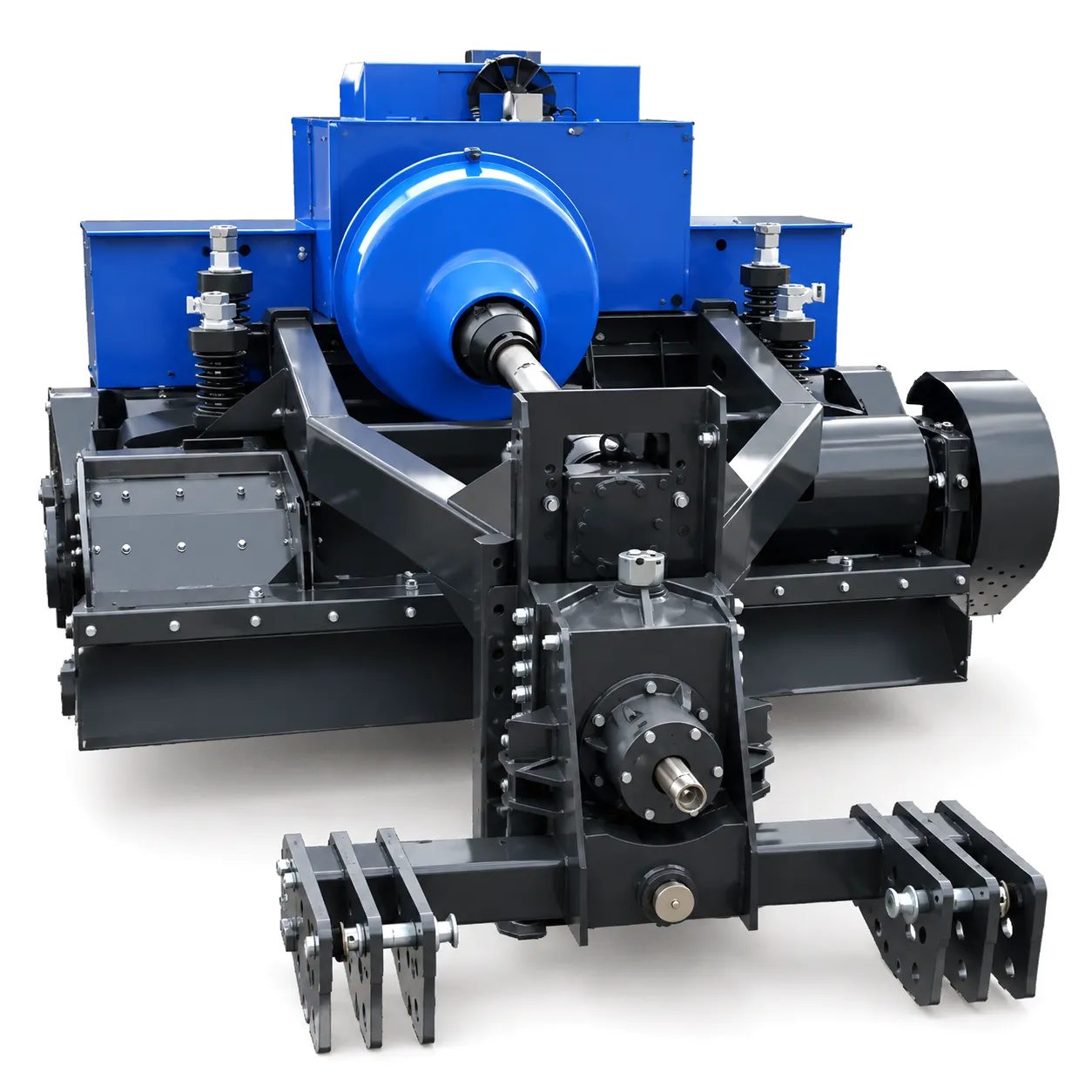
High-strength structural steel plate (typically S355 or Q345B, 12–20 mm thick) is used for bale chamber walls and the plunger head. Laser-cut and robot-welded, these components must withstand repeated cyclic compressive loads exceeding 200 kN without fatigue cracking. Surface treatment includes hot-dip galvanising or epoxy powder coating for corrosion resistance in the damp UK climate.
The crankshaft is forged from alloy steel (42CrMo4 or equivalent) and induction-hardened at the journal surfaces. Hardness at bearing journals reaches 58–62 HRC, providing wear life exceeding 5,000 operating hours. Spherical roller bearings — selected for their ability to accommodate misalignment — are used at primary plunger pivot points, grease-purged via centralised lubrication circuits.
Bill hooks and knotter discs are machined from boron tool steel, heat-treated to achieve 52–56 HRC surface hardness. Precision-ground geometry on the bill hook lip determines knot consistency — a deviation of 0.1 mm in lip angle can cause a measurable increase in knot failures per 100 bales. High-wear components are chrome-plated on premium models to extend service intervals.
Spring-tine pick-up fingers are typically cold-rolled from high-carbon spring steel (65Mn), heat-treated and shot-peened to prevent stress cracking. Auger flights are fabricated from wear-resistant Hardox 400 or equivalent plate, ensuring the handling of abrasive materials such as rape straw, maize stalks, or contaminated biomass does not cause premature groove wear.
Hydraulic cylinders controlling the tail gate, density plate, and rotor adjustment are machined from precision-honed EN8 steel tube, fitted with polyurethane seals rated for continuous operation at 250 bar. Electrical harnesses use IP67-rated connectors, tested for resistance to the moisture and agricultural chemical exposure common in British field conditions.
Product Advantages: Why High-Density Square Balers Outperform Alternatives
Modern high-density square balers achieve bulk densities of 180–280 kg/m³ for straw and 250–380 kg/m³ for silage or biomass crops, dramatically reducing transport costs per tonne. A standard lorry payload of 25 tonnes can be achieved with significantly fewer bale trips compared to round bale alternatives, a critical advantage for UK farms managing long haulage distances from East Anglian arable operations to Yorkshire feed merchants.
The rectangular geometry of square bales makes them uniquely suited to warehouse-style covered storage. Stacked 4–5 high on level concrete, they require 30–40% less floor area than equivalent round bale volumes. In the wet UK climate, where outdoor silage-clamp losses can reach 15%, moving to covered square-bale storage represents a significant reduction in dry-matter waste, translating directly to higher margins for dairy and beef operations in Cheshire, Herefordshire, and the Scottish Borders.
Hydraulic or electro-hydraulic density control systems allow operators to dial in exact chamber resistance settings from the cab. This matters enormously for specialist markets: equestrian bedding suppliers require a specific bale weight and break-apart characteristic; biomass power stations operating under Renewable Heat Incentive contracts require consistent feedstock density for combustion control. The square baler’s programmable density functionality meets these requirements in ways that a fixed-spring round baler simply cannot.
Industrial-grade square balers handle straw, hay, silage, haylage, paper, cardboard, plastic film, and textile waste within a single machine configuration — changing only the knotting twine type and chamber resistance setting between materials. This multi-material capability is driving adoption in UK waste-processing parks from Trafford to Teesside, where materials recovery facilities process mixed streams that benefit from consistent, high-density bale output for onward transport to end processors.
Modular knotting assemblies, standardised bearing sizes, and split-case gearbox designs mean that planned maintenance can be completed by a competent farm engineer with commonly available tools. Wear parts — tines, bill hooks, needles, and auger flights — are designed for quick swap-out, minimising downtime during the time-critical UK harvest window when every hour of mechanical availability translates directly to field throughput and crop quality retention.
Square Baler Technical Performance Specifications
The table below provides a representative comparison of key technical parameters across light-duty agricultural, mid-range multi-crop, and heavy-duty industrial square balers. Actual values vary by model and configuration.
| Parameter | Light-Duty Agricultural | Mid-Range Multi-Crop | Heavy-Duty Industrial |
|---|---|---|---|
| Bale Chamber Size (mm) | 360 × 460 | 500 × 600 | 800 × 900 |
| Bale Length (mm) | 600–1800 | 1000–2400 | 1200–2800 |
| Plunger Force (kN) | 60–90 | 120–180 | 200–320 |
| Plunger Strokes / Min | 28–36 | 34–44 | 40–52 |
| PTO Speed (rpm) | 540 | 540 / 1000 | 1000 |
| Throughput (t/hr, straw) | 8–15 | 20–35 | 40–80 |
| Bale Density (kg/m³, straw) | 120–180 | 160–240 | 200–320 |
| No. of Knotters | 2–3 | 4–6 | 6–10 |
| Frame Material | S235 / S275 | S355 / Q345B | S355 + Hardox |
| Chamber Pressure Control | Mechanical spring | Hydraulic / semi-auto | Electro-hydraulic, cab control |
| Required Tractor Power (HP) | 60–90 | 120–180 | 200–320 |
| Bill Hook Material | Carbon tool steel | Boron steel, HRC 52–54 | Chrome-plated boron, HRC 56+ |
| Typical Applications | Small farms, equestrian | Arable, multi-crop, contractor | Industrial, biomass, recycling |
Application Scenarios: Where Square Balers Drive Real Results
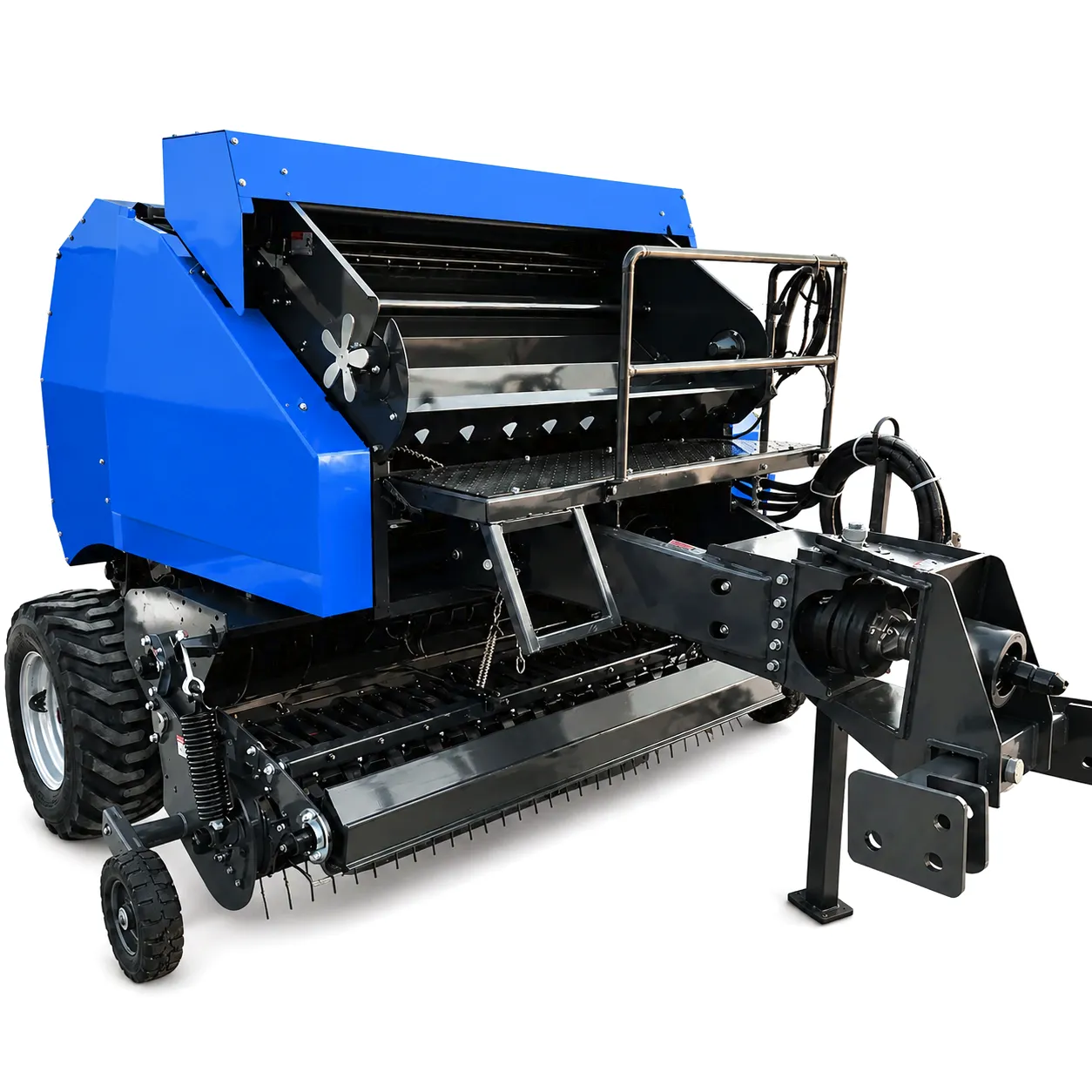
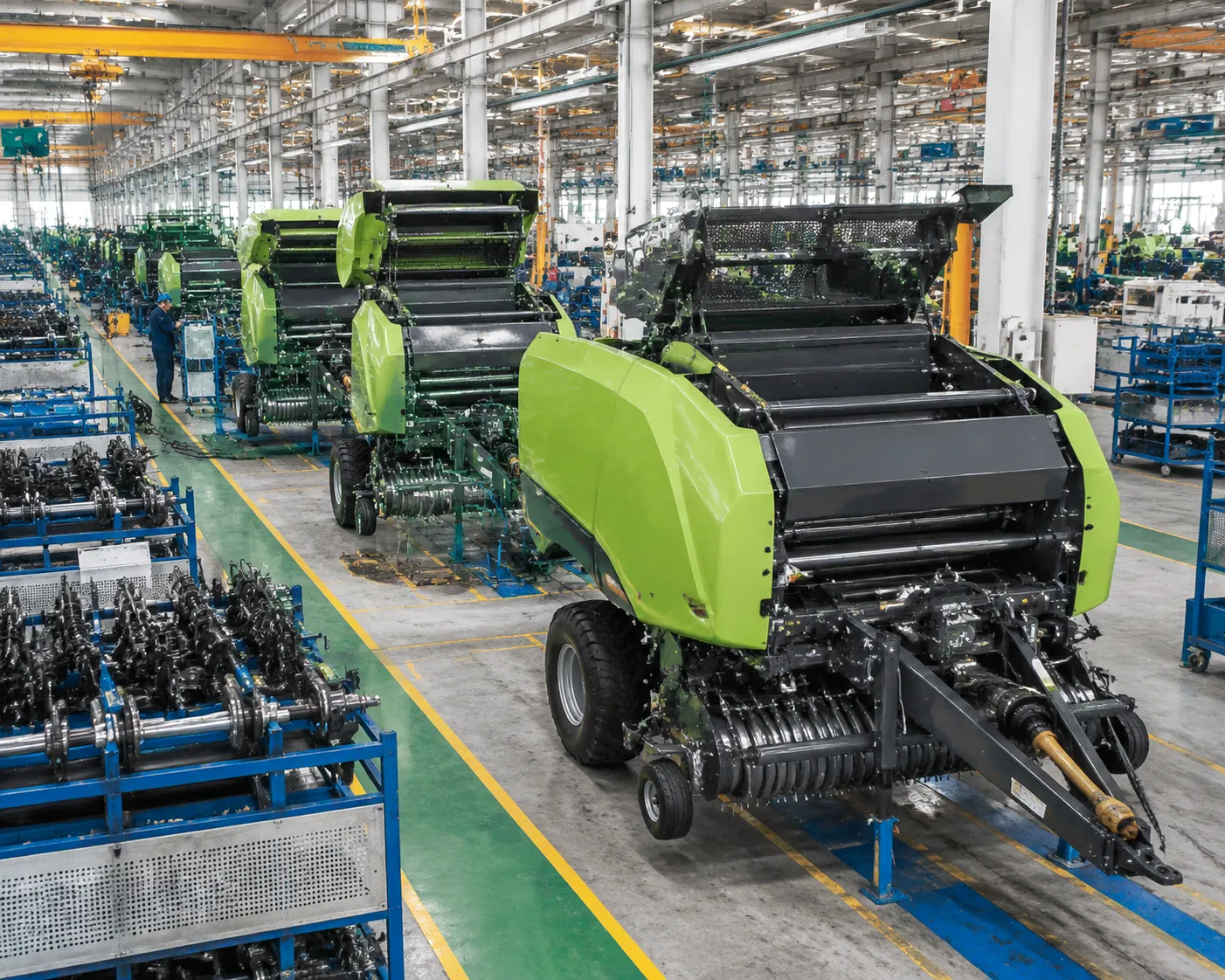
Ever Power manufacturing workshop — precision fabrication of heavy-duty square baler assemblies
Ever Power: Precision Manufacturing and Custom Square Baler Solutions
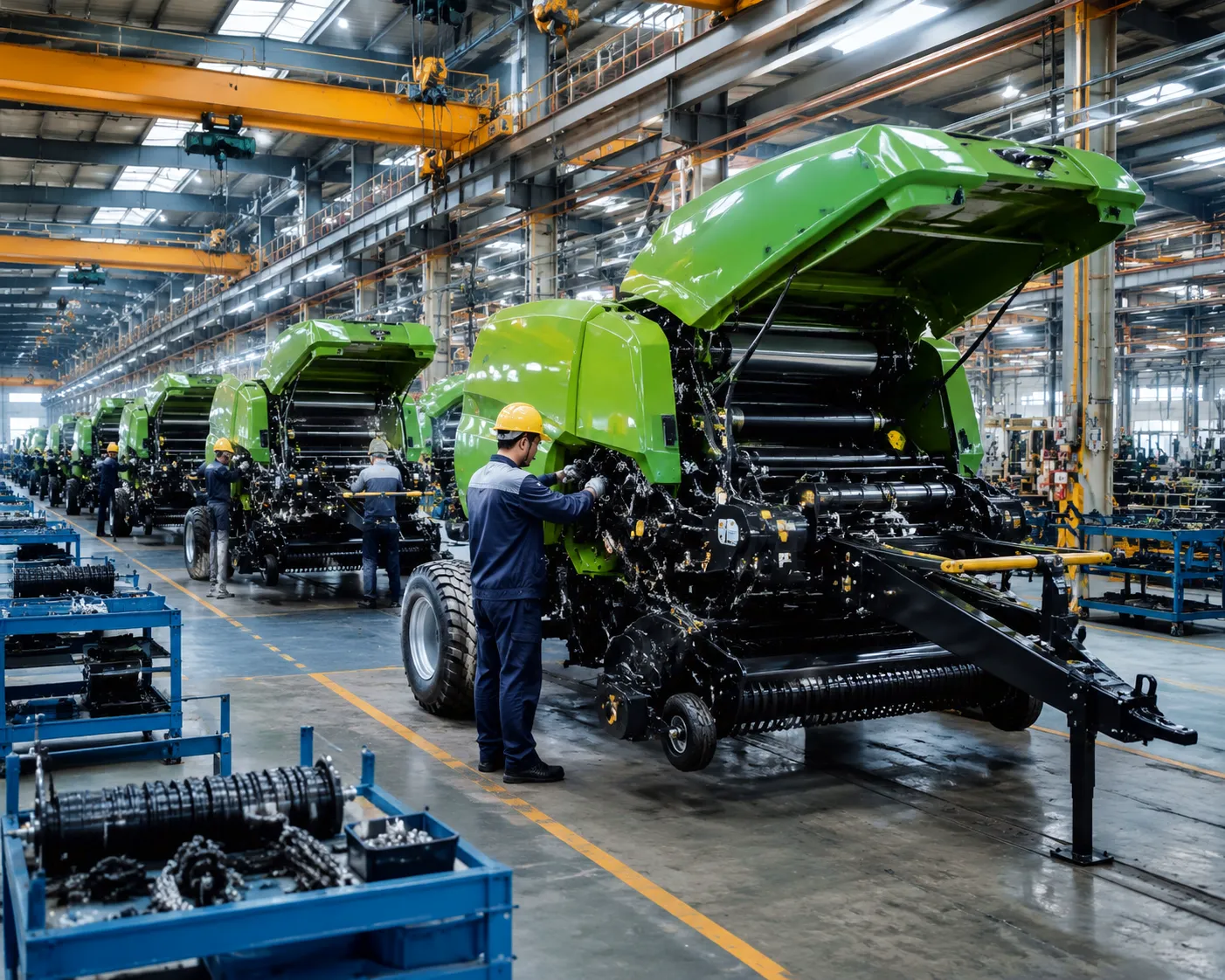
Ever Power maintains a strategic inventory of 1,200+ critical wear parts and structural sub-assemblies, enabling replacement component despatch within 48 hours of order confirmation — essential for UK customers needing to minimise downtime during peak harvest or processing windows.
All structural welding is performed under ISO 3834-2 quality management requirements. Finished machines are tested to CE Machinery Directive 2006/42/EC standards as standard, with additional PSSR (Pressure Systems Safety Regulations) compliance documentation available for UK industrial hydraulic installations.
UK agricultural equipment dealers and machinery distributors can access Ever Power’s full manufacturing capability under OEM or white-label arrangements. Custom colour schemes, badging, operator manuals in British English, and UK-specification hydraulic couplings are all available, enabling distributors to offer a fully localised product to their customer base.
Ready to Specify Your Custom Square Baler?
Our engineering team will review your application requirements and respond with a detailed technical and commercial proposal within 24 hours.
Ever Power Square Baler Product Range
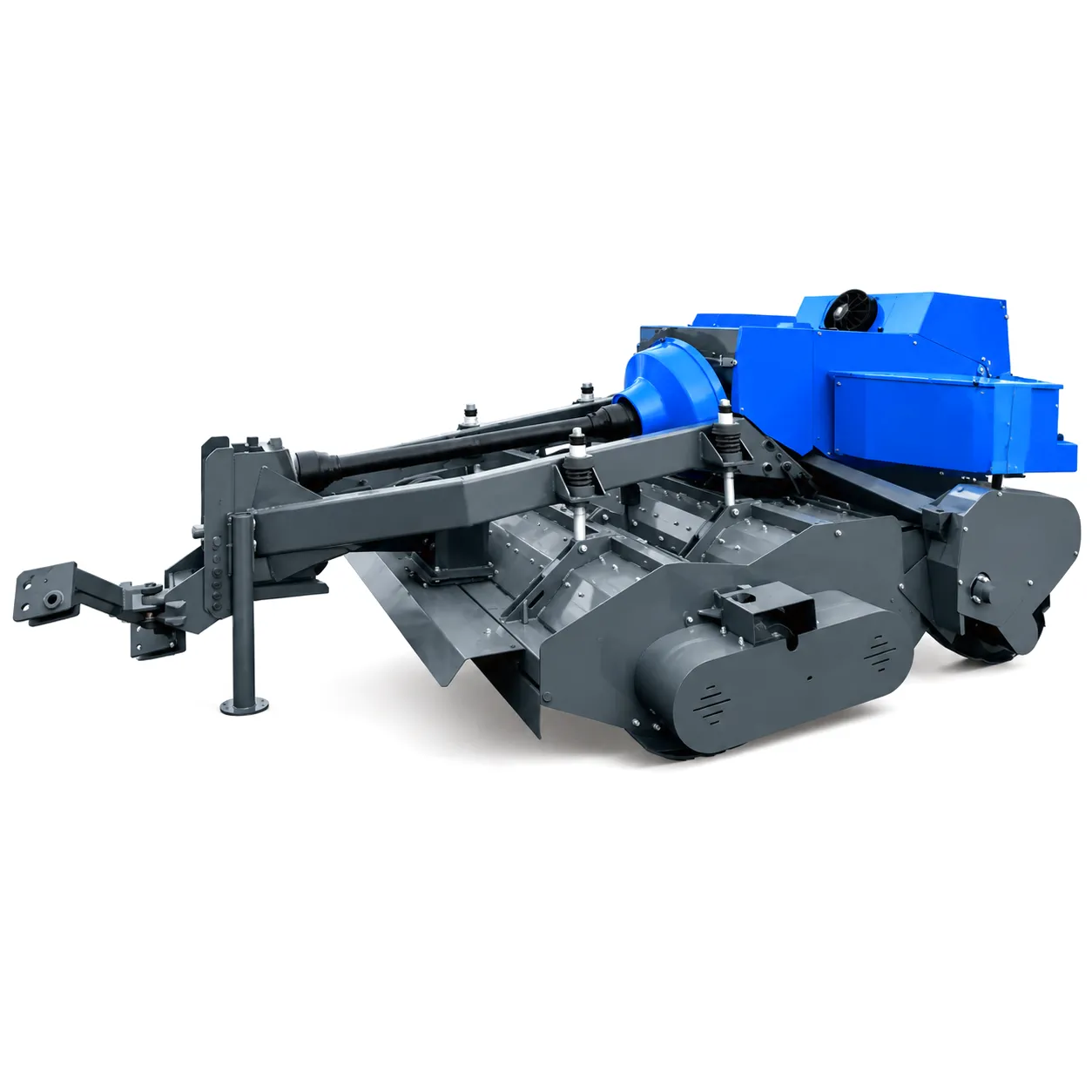
Customer Success Story: Straw Logistics Contractor, Peterborough, East Midlands
Fenfield Agricultural Contracting, based on the edge of the Fens in Peterborough, had operated a fleet of mid-range round balers for twelve seasons, supplying straw to equestrian yards and biomass heating plants across Cambridgeshire and Northamptonshire. As customer demand shifted toward large square bales — driven primarily by the expanding biomass market — the business needed to transition its baling fleet without compromising the throughput targets that justified its contractor pricing model.
The Fenland straw market is highly competitive. Fenfield needed a square baler that could deliver a consistent bale density target of 200–230 kg/m³ across the full range of cereal straws — from light barley straw to heavy-stemmed oilseed rape — while maintaining an average throughput of at least 30 tonnes per hour during the peak harvest window. The business also needed a machine with a short learning curve for its tractor operators, most of whom had no previous square baler experience, and a parts availability guarantee that would prevent costly downtime during the narrow harvesting season.
Working with Ever Power’s application engineering team, Fenfield specified a pair of 9YF-2200 heavy-duty square balers with electro-hydraulic chamber density control, twin-rotor wide pickups (2.4 m working width), and a centralised automatic lubrication system. Ever Power provided detailed operator training materials adapted to English-language requirements and a commissioning visit from their technical support team. Within two seasons of operation, Fenfield had expanded its straw contracting area by 35%, adding three new biomass supply contracts in the Peterborough and Spalding areas. Bale consistency — measured by end-user acceptance rates at the biomass plant auto-feed conveyor — improved from 88% to 97%, eliminating the revenue deductions that had been applied under the previous supply contract.
“The density consistency on the Ever Power 9YF-2200 is genuinely impressive across all our straw types — barley, wheat, and OSR all come out within 5% of our target density. The biomass plant has stopped deducting for underweight bales entirely. That alone paid for the machine in two seasons.”
“We specified a wider-than-standard pickup and a heavier flywheel for our rape straw contracts — Ever Power’s engineering team handled the customisation without fuss and delivered exactly to spec. The lead time was shorter than anything we got from European competitors. Parts availability has never been a problem.”
“From our perspective as a biomass plant procurement team, what matters is consistent bale geometry and density — we can’t have auto-feed jams. Since switching to Fenfield’s Ever Power bales, our feed-system uptime improved noticeably. We’ve since written a square-bale specification based on what the Ever Power 9YF delivers.”
Vanliga frågor
Entry-level agricultural square balers for UK buyers typically start around £30,000–£55,000 new, while mid-range machines with electro-hydraulic density control and twin-rotor pickups sit in the £80,000–£140,000 range. Heavy industrial-specification models can exceed £200,000. Annual maintenance budgets for a machine operating 600–800 hours per year typically run at 3–5% of purchase price, covering planned wear-part replacement and scheduled servicing. Contractor hire rates for large square balers in the UK currently run at £18–£32 per hour plus operator, depending on machine specification and region. Always request a full parts and service support commitment from your supplier before purchasing.
Ever Power supplies square balers to UK buyers with full CE Machinery Directive 2006/42/EC certification and operator documentation produced in British English as a standard inclusion. PSSR (Pressure Systems Safety Regulations) compliance documentation is available upon request for industrial hydraulic installations. To receive a detailed written quotation with full technical specifications, lead time confirmation, and warranty terms, contact the sales team directly at [email protected]. Turnaround on commercial proposals is typically within one working day.
A standard single-chamber square baler compresses material in one stage before knotting and ejection. A double-chamber machine — such as the 9YFS-2.2 — adds a pre-compression stage that partially densifies the incoming charge before it enters the main bale chamber, improving overall density uniformity and enabling higher throughput without increasing plunger stroke frequency. For UK contractors working on large-scale arable straw contracts — particularly in Lincolnshire, Cambridgeshire, or East Riding of Yorkshire — the additional throughput capacity of a twin-chamber machine can recover its price premium within two to three seasons through higher acreage coverage. For smaller farms or mixed-use operations, a well-specified single-chamber machine is usually more cost-effective.
Ever Power supplies industrial square balers to processing facilities across Birmingham, Sheffield, Wolverhampton, and the wider West and South Yorkshire manufacturing belt. Commissioning visits can be arranged as part of the supply contract, with an Ever Power technical representative attending the installation site to verify setup, calibrate density settings, and train operators on routine maintenance procedures. On-going parts supply is managed through an express dispatch arrangement from our central warehouse, with critical wear components typically arriving within 48 hours of order placement. Contact [email protected] to discuss your facility’s specific requirements and get a site-specific proposal.
The starting point is your off-take contract specification: most UK biomass power stations that accept square bales will specify minimum bale dimensions (typically 800 × 900 mm cross-section), minimum dry-matter content, and a target density band. Work backward from these requirements to select chamber size. For miscanthus, the typically low natural bulk density (40–60 kg/m³ at field moisture) means a heavy-duty baler with a plunger force of 250 kN or more is required to achieve contract-minimum densities. For cereal straw, mid-range machines with 120–180 kN plunger force are generally adequate. Ever Power’s application engineering team can assist with a materials-specific specification review — simply provide your crop type, target moisture content, and off-take density requirement when requesting a quote.
Ever Power’s export sales team handles direct enquiries from UK buyers across all regions, including Yorkshire, Scotland, Wales, and Northern Ireland. To obtain a competitive, detailed price for a custom-specified square baler — including any non-standard chamber dimensions, pickup widths, knotting configurations, or PTO shaft arrangements — send your application brief to [email protected]. Include your crop type, target throughput, available tractor power, and preferred bale dimensions, and the team will return a full technical and commercial proposal. Delivery to UK ports is included in the quoted price, with optional landed UK delivery and commissioning arrangements available.
Ever Power — Precision Engineering for Agricultural and Industrial Baling Applications
redigerad av gzl