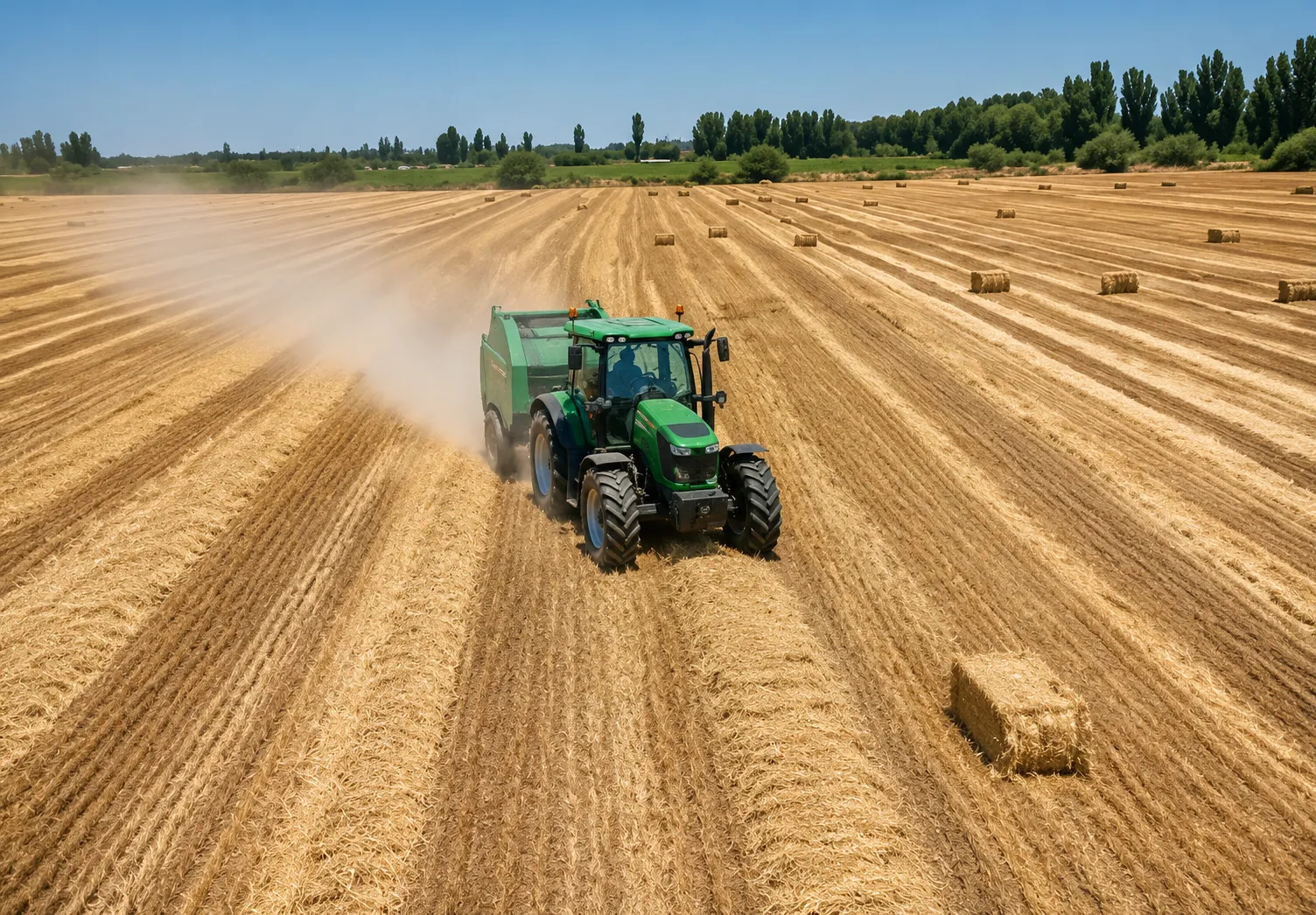
How a Square Baler Converts Loose Crop into Dense, Stackable Bales
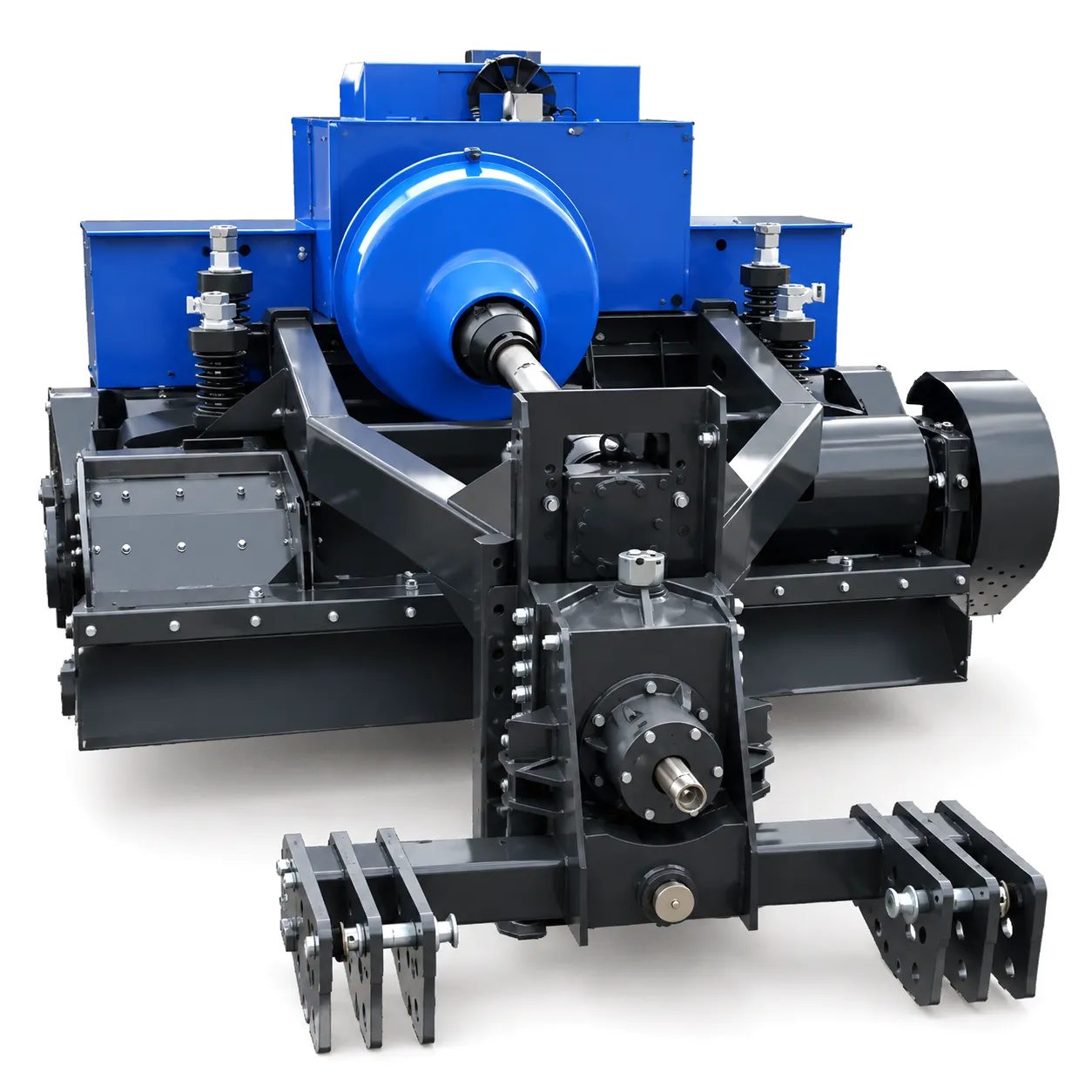
Once the bale reaches the set length — measured by a rotating star wheel pressing against the growing bale — the knotter mechanism is triggered. The knotting system is arguably the most mechanically complex sub-assembly on the entire machine, combining rotating discs, bill hooks, strippers, and twine tensioners in a sequence that must execute reliably thousands of times per day. High-capacity square balers operating in the peak harvest season around Yorkshire or Cambridgeshire may tie upwards of 800 to 1200 knots per hour. Each failed knot means a broken bale, lost crop, and a machine stop to clear the chamber — hence why the quality of the knotting mechanism is a primary differentiator between machine grades. Twine tension, bill hook sharpness, stripper timing, and twine disc groove condition all interact, and serious operators inspect and service these components on a daily basis during harvest.
Core Materials That Define Square Baler Durability and Performance
High-Strength Structural Steel
The main frame, bale chamber walls, and plunger assembly are fabricated from high-tensile structural steel, typically grades equivalent to S355 or S420 under European standards. These steels provide yield strengths of 355–420 MPa, allowing the frame to absorb the repeated impact loads of plunger operation without fatigue cracking over a machine life that may extend to 15–20 years of seasonal use. Weld quality is critical; reputable manufacturers use robotic MIG welding on critical stress points, with full penetration welds inspected by NDT methods before assembly.
Hardened Wear Steels for Moving Parts
The plunger face, the bale chamber wear liners, and the shear blade assembly are manufactured from quench-hardened or boron steel alloys achieving surface hardness values of 400–500 HBW (Brinell). These materials resist the abrasive action of silica particles present in all field-harvested crops — a factor particularly significant in the chalky arable soils of Lincolnshire and Hertfordshire, where soil contamination of the windrow is an ongoing challenge. Replaceable liner systems allow worn surfaces to be swapped without full chamber replacement, reducing long-term maintenance costs substantially.
Precision-Machined Gears & Castings
The gearbox driving the plunger crank uses case-hardened and ground helical gears, manufactured to DIN 3960 quality grade 6 or better, operating in sealed oil baths with filtration. The knotter bill hooks and disc components are investment-cast from high-carbon steel and subsequently heat-treated, giving them the fine dimensional tolerance and surface finish required for reliable loop-and-bill-hook engagement. Casting quality directly governs knotter reliability — a lesson that many operators operating in the demanding harvest conditions around Sheffield’s surrounding agricultural plains learn from experience.
Pick-Up Tines: Spring Steel & Composites
Pick-up tines must combine flexibility to deflect over surface obstacles without breaking with sufficient stiffness to aggressively lift even damp, matted windrows. Spring steel tines — heat-treated to a controlled hardness range — are the traditional choice, while modern machines increasingly adopt glass-reinforced polyamide tines for their corrosion immunity and lighter inertia loading. Both materials are valid; the choice depends on crop type and the operator’s soil stone risk, which varies considerably from the flinty chalk soils of the South Downs to the stone-free silts of the Wash in Cambridgeshire.
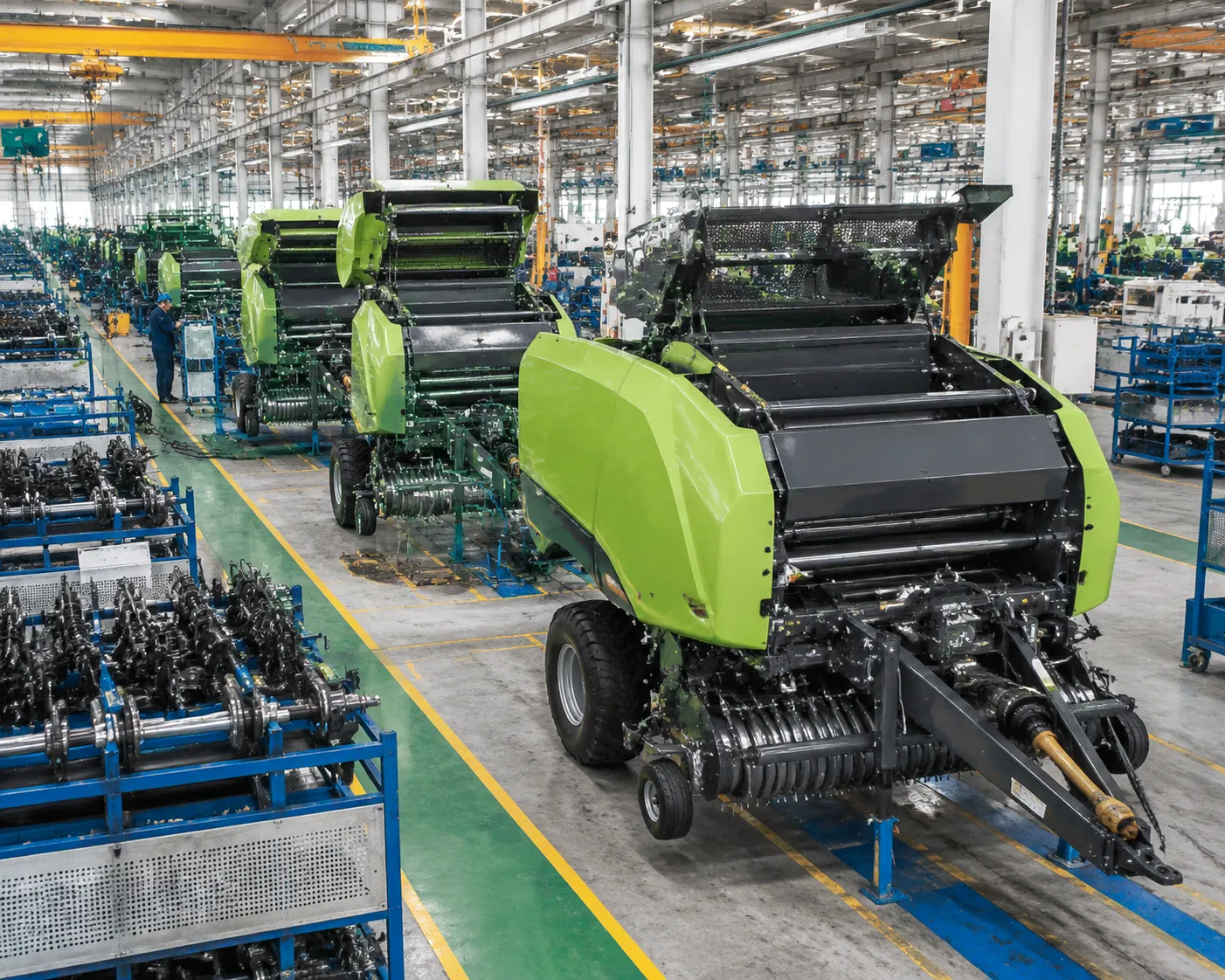
Six Engineering Advantages That Set Modern Square Balers Apart
Geometrically Consistent Bale Output
The rectangular bale geometry allows perfect stacking — up to 6 bales high in an open-fronted Dutch barn without the stability concerns inherent in round bale stacks. This stacking efficiency directly reduces the barn floor area required per tonne of stored material, a genuine cost advantage for farm businesses where covered storage space commands a premium across the south-east of England.
High Bale Density for Transport Efficiency
Large square balers achieve straw densities of 150–200 kg/m³, compared to 120–140 kg/m³ for most round bales. This density advantage becomes commercially significant when calculating haulage costs per tonne of dry matter, particularly for long-distance movements from farm to power station biomass facilities — routes that have become increasingly common across northern England and Scotland as the renewable energy sector’s demand for baled straw grows.
Adjustable Bale Density Control
Modern square balers offer hydraulically adjustable bale chamber pressure, allowing the operator to match bale density precisely to the end use — lighter bales for manual handling in equestrian markets, heavier bales for biomass energy contracts where payment is by tonne. Electronic density monitoring systems, now standard on mid-to-high-specification machines, display real-time average density and flag deviations, enabling proactive PTO speed or forward speed adjustment without stopping the machine.
Mångsidighet för flera grödor
A well-configured square baler can process wheat, barley, oat, oilseed rape straw, hay, haylage, reed, miscanthus, hemp fibre, and industrial paper waste within the same machine season by adjusting the pick-up width, pre-chamber geometry, knotter twine gauge, and bale length settings. This versatility reduces the capital investment required for mixed farm operations and is increasingly valued by agricultural contractors servicing the diverse cropping rotations found across the English Midlands and East Anglia.
Reduced In-Field Storage Footprint
The compact, stackable geometry of square bales allows temporary in-field stacking in tight formation before collection, minimising the number of headland or roadside stacking points required. This is a practical benefit on the small, irregular-shaped fields characteristic of much of Wales, the West Country, and the upland farms of Cumbria, where field access for large bale trailers can be limited and the window between cutting and collection may be compressed by the arrival of Atlantic rain systems.
Intelligent Monitoring & Data Logging
Modern square baler control systems provide ISOBUS-compatible data output logging bale count, bale weight, GPS position, and cumulative throughput. This data feeds directly into farm management software platforms commonly used by UK farm businesses, enabling accurate cost-per-tonne analysis, preventive maintenance scheduling based on actual operating hours, and evidence-based crop yield tracking that supports both agronomy decisions and subsidy record-keeping under the Sustainable Farming Incentive scheme.
Square Baler Performance & Technical Parameter Reference Table
Key engineering parameters spanning entry-level to high-capacity commercial square balers suitable for UK farming operations.
| Parameter | Entry-Level (Small) | Mid-Range (Commercial) | High-Capacity (Industrial) |
|---|---|---|---|
| Bale Chamber Dimensions (W × H) | 360 × 460 mm | 500 × 700 mm | 800 × 900 mm |
| Standard Bale Length Range | 400–900 mm | 600–1200 mm | 900–2500 mm |
| Plunger Force | 60–80 kN | 120–160 kN | 200–320 kN |
| PTO Speed Requirement | 540 rpm | 540 / 1000 rpm | 1000 rpm |
| Required Tractor Power | 45–65 kW (60–87 hp) | 90–130 kW (120–175 hp) | 175–280 kW (235–375 hp) |
| Throughput Rate (Straw) | 8–15 t/h | 20–40 t/h | 50–90 t/h |
| Bale Density (Wheat Straw) | 100–140 kg/m³ | 140–175 kg/m³ | 175–220 kg/m³ |
| Knytartyp | 2-string, single knotter | 4–6 string, twin knotter | 6–8 string, multi-knotter |
| Pick-upbredd | 1700–1900 mm | 2100–2200 mm | 2200–2400 mm |
| Frame Steel Grade | S275–S355 | S355–S420 | S420 + wear-plate liners |
| Maskinvikt | 1800–2600 kg | 3500–5200 kg | 7000–14000 kg |
| Hydraulic System Pressure | 150–180 bar | 180–220 bar | 220–280 bar |
| Control Interface | Analogue dial / basic terminal | ISOBUS terminal, 7″ colour | 12″ touchscreen, GPS logging |
Where Square Balers Deliver Measurable Value Across UK Industry
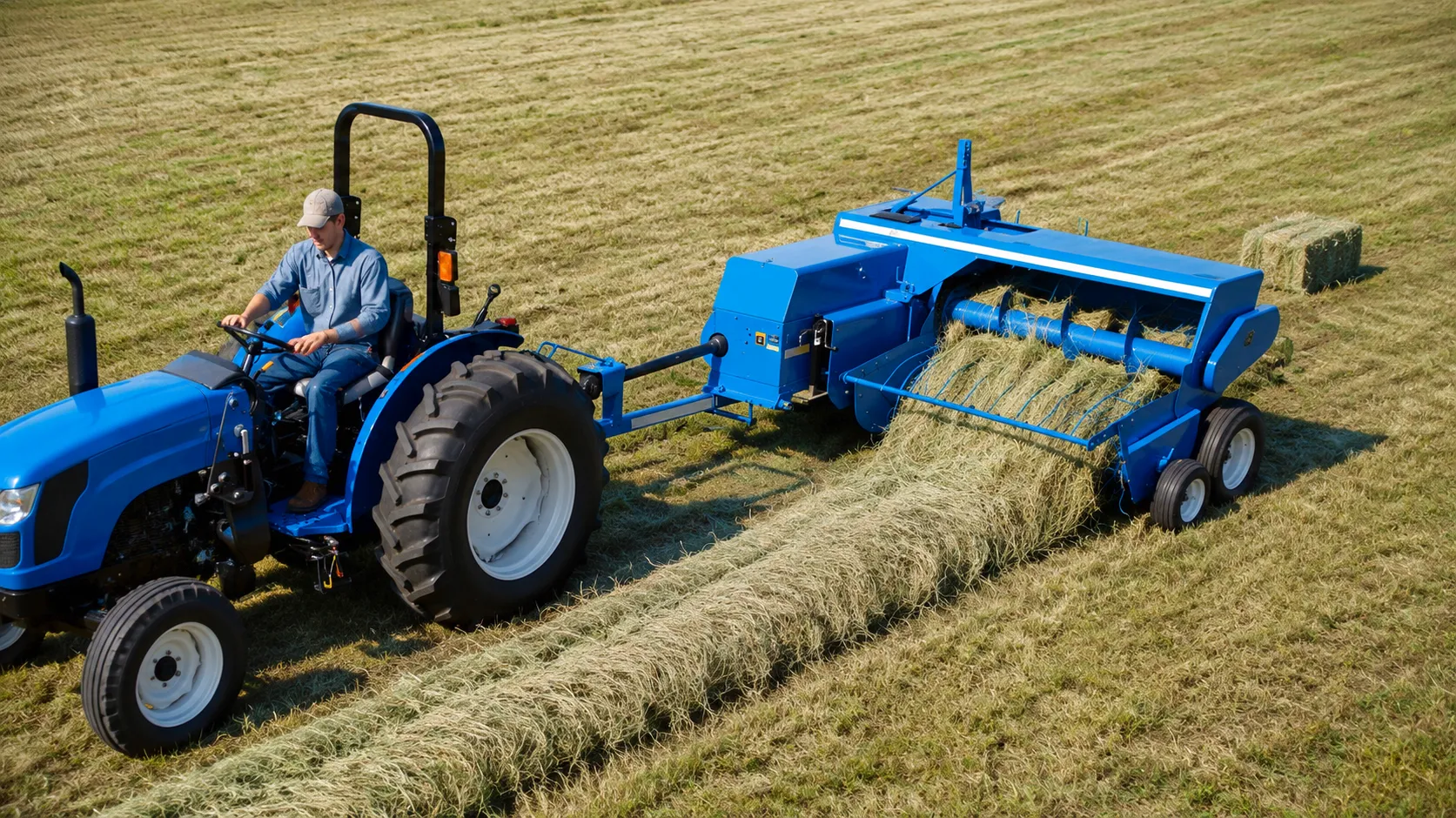
Equestrian & Rural Leisure Markets — Home Counties & Cheshire
The premium equestrian market — concentrated in the Home Counties, Cheshire, and the rural commuter belt around Birmingham — demands small square bales in the 18–25 kg range that individual horse owners can handle without mechanical assistance. This niche market commands significantly higher prices per tonne than the bulk straw commodity market, making it an attractive premium outlet for farms with access to a square baler capable of producing consistently weighted small bales. Bale weight consistency directly underpins product reputation in this market, where repeat supply relationships depend on customer confidence in product uniformity.
Industrial Fibre & Waste Baling — Manufacturing Zones in the Midlands
Beyond the agricultural sector, stationary square balers and channel balers serve the waste management and industrial fibre processing industries operating across Birmingham, Coventry, and the wider West Midlands manufacturing corridor. Recycled cardboard, industrial textile waste, non-woven fabric offcuts, and post-consumer paper are all processed through adapted square baler configurations to produce dense, skid-friendly bales meeting the dimensional requirements of commodity buyers. The manufacturing heritage of the Midlands generates substantial volumes of compressible industrial waste, and the square baler format’s compatibility with standard pallet rack systems gives it a practical advantage over round bale formats in warehouse-adjacent operations.
Miscanthus & Energy Crop Harvesting — Renewable Sector
The expansion of miscanthus and short-rotation coppice energy crops across central and eastern England — driven by both renewable energy policy and diversification grants — has created specific demand for square balers capable of handling the particularly bulky, high-moisture stem material produced by these crops. Miscanthus stems at harvest typically carry a moisture content of 20–25%, placing significantly higher demands on the pick-up, pre-chamber, and plunger sub-systems than dry cereal straw. Machines specified for energy crop work typically feature wider pick-up assemblies, reinforced feeder rotors with higher torque capacity, and moisture-resistant internal surfaces that tolerate the biological degradation risk associated with elevated-moisture bales.
Export & Port Logistics — Grimsby, Hull, and Bristol Docksides
Square bales are the preferred format for exported straw, hay, and biomass travelling through UK port facilities at Grimsby, Immingham, Hull, and Bristol. The dimensional regularity of large square bales — particularly the 800 × 900 mm format — allows efficient stacking in standard 20-foot shipping containers, maximising payload and minimising the transport cost per tonne of dry matter. Exporters working through these facilities specify square balers producing bales with density tolerances tighter than ±8% to ensure predictable container loading, and bale moisture content is a mandatory parameter for export certificates to many European and Middle Eastern markets.
Ever Power Square Baler Product Range
Two purpose-engineered solutions for the full spectrum of UK agricultural and industrial baling requirements.
9YF-2200/1900/1700 fyrkantspress
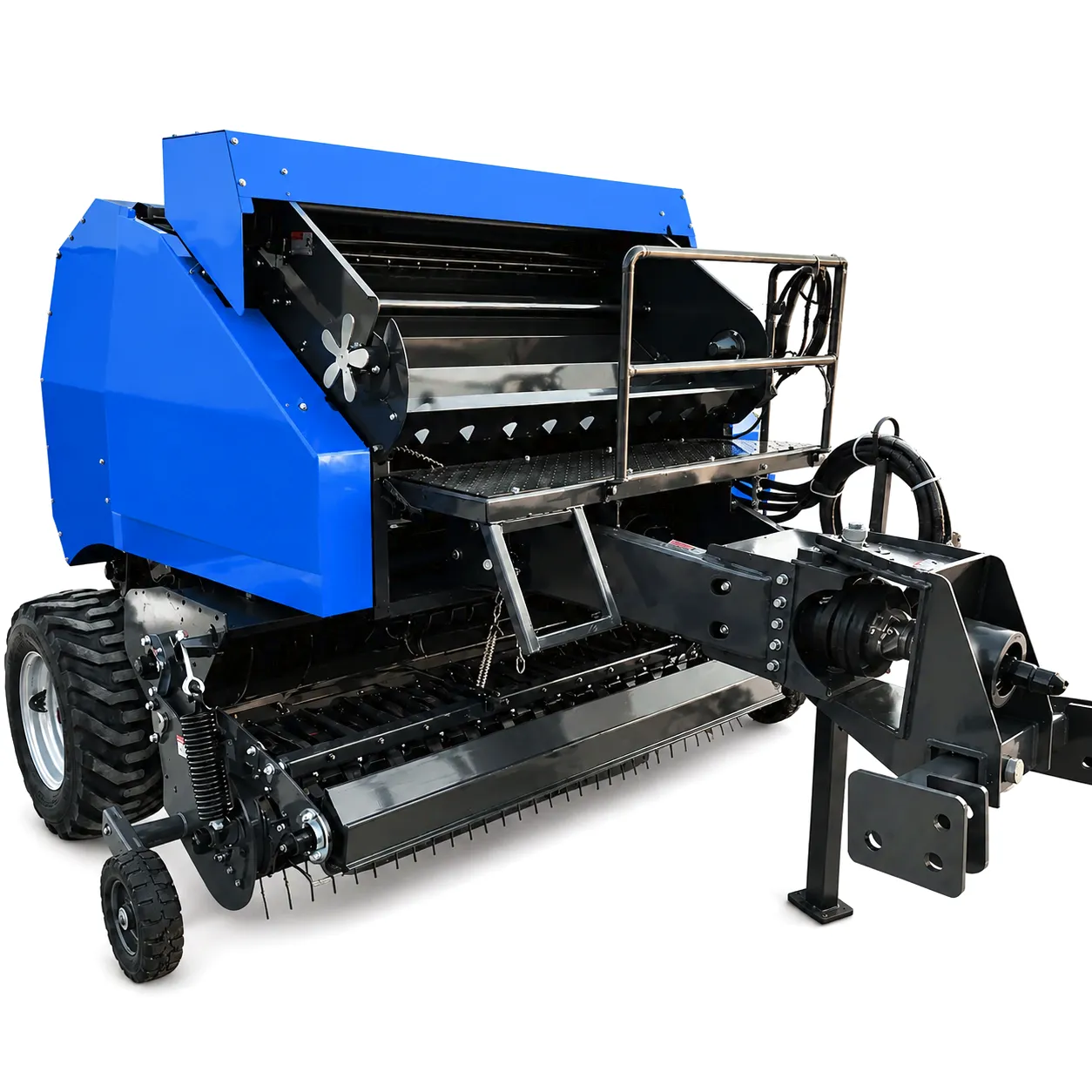
The 9YF series is Ever Power’s cornerstone square baler, available in three pick-up widths — 1700 mm, 1900 mm, and 2200 mm — to match a broad range of windrow sizes and crop types. Engineered for reliability through UK harvest seasons, this machine delivers consistent bale density across wheat, barley, oilseed rape straw, hay, and miscanthus. Its heavy-duty plunger assembly, hardened bale chamber liners, and precision-cast knotter components are specifically designed for the high daily throughput demands of commercial agricultural contracting in the UK cereal belt.
9YFS-2.2 Dubbelkammarpress för fyrkantsbalar
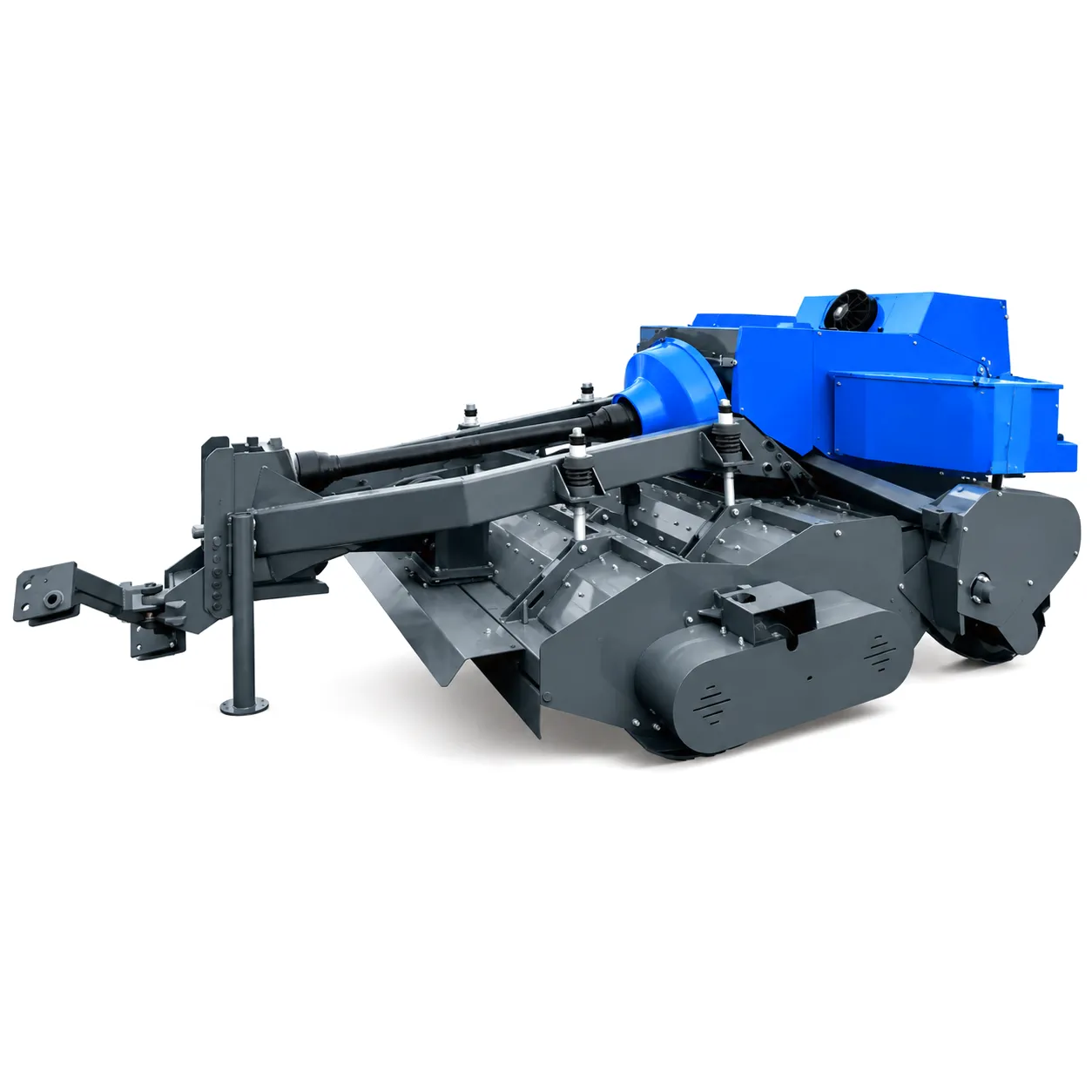
The 9YFS-2.2 represents Ever Power’s highest-throughput square baler design, incorporating a patented double-chamber configuration that processes two independent bale streams simultaneously from a single pick-up pass. This architecture dramatically increases the tonnes-per-hour output achievable for a given tractor power input, making the 9YFS-2.2 the preferred choice for large-scale arable farming operations and professional agricultural contracting businesses seeking maximum field efficiency. The dual-chamber design also provides operational redundancy — if one chamber encounters a blockage, the operator can continue baling on the second chamber while clearing the obstruction, reducing overall downtime on tight harvest schedules.
Ever Power: Precision Manufacturing and Deep Customisation Capability
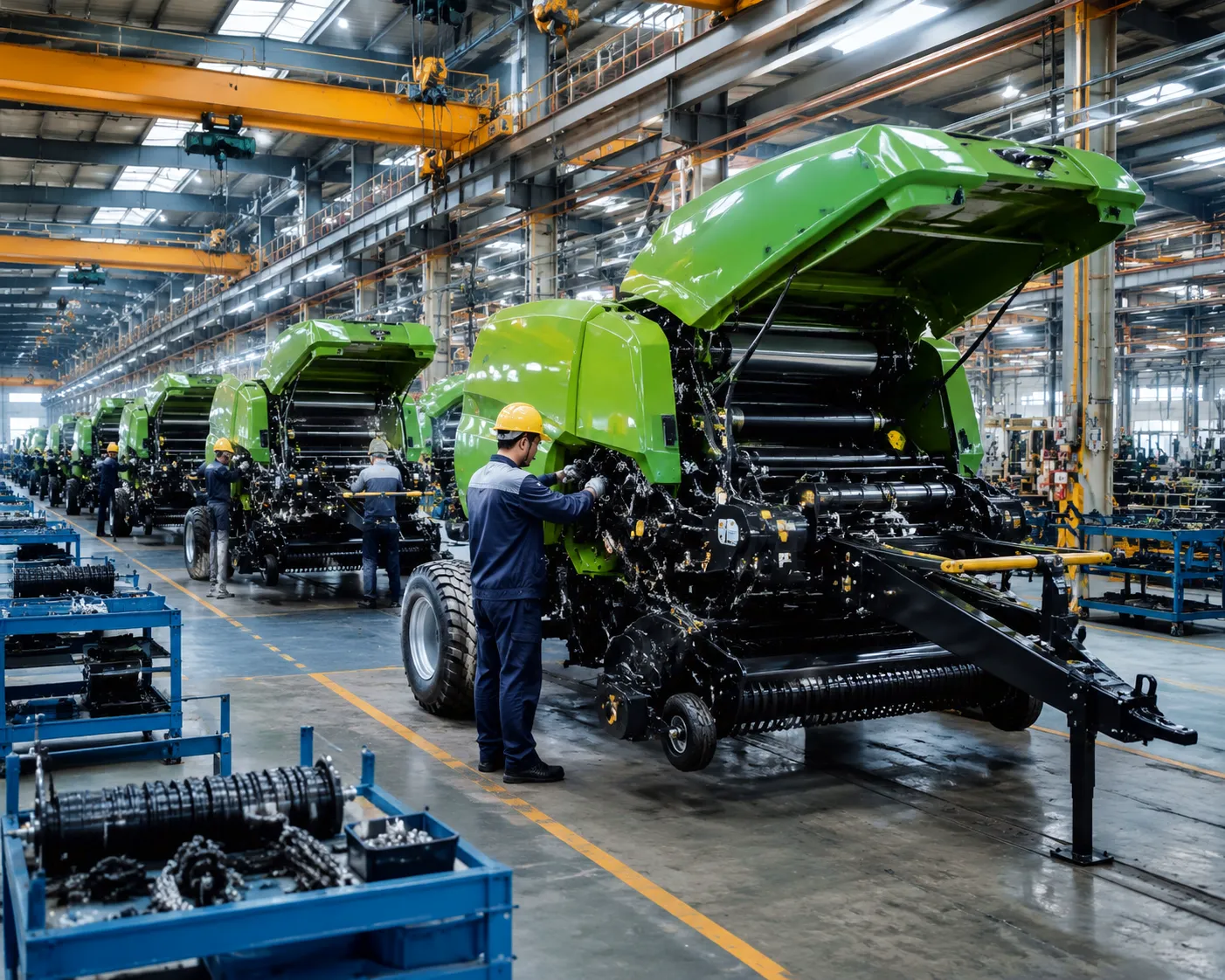
Ready to discuss your specific square baler requirements? Our engineering sales team works directly with UK agricultural contractors, farm managers, and industrial operators to specify the right machine configuration and build a commercial supply arrangement that fits your operation. Response to technical enquiries is guaranteed within 24 hours.
Howden Agricultural Contracting, East Riding of Yorkshire
In the first operating season, the two Ever Power machines together produced over 38,000 bales meeting the biomass buyer’s specification for average bale density above 180 kg/m³ — a figure the previous machines had struggled to achieve consistently at the operating speeds required. The double-chamber configuration proved particularly valuable during the compressed July harvest window, when the contractor needed to clear multiple clients’ straw before anticipated rainfall — a situation where the 40% throughput increase over the previous single-chamber machines made a measurable commercial difference to the contracting schedule. Knotter reliability was tracked rigorously by the workshop team; over the full season, the knotter failure rate per 1,000 bales was recorded at 0.3, significantly below the industry average of 0.8–1.2 for machines of comparable throughput. Parts support from Ever Power’s UK distribution network meant that a worn bill hook set was replaced with a next-day delivery from the regional stockist in Hull, keeping downtime to under four hours across the entire season.
Kundrecensioner
“The bale density consistency from the Ever Power double-chamber machine is genuinely in a different league from anything we operated before. We ran the biomass contract for three full months without a single density rejection from the buyer — that never happened with the old kit. The knotter reliability was the other thing that impressed us: you set it up right at the start of the day and it just runs.”
“What separated Ever Power from the other suppliers we looked at was their willingness to actually engineer the customisation we needed — not just swap a pick-up width from a parts list. They modelled the rotor guard change in CAD and showed us the stress analysis before we committed. For a contracting business that depends on reliability through a six-week harvest window, that level of engineering rigour before delivery gives you real confidence.”
“Parts availability from Ever Power’s regional distribution point in Hull has been excellent — we’ve had next-day delivery on every part we’ve needed, which is what you need when you’re running a tight contracting schedule in August. The machine build quality is visibly high; when you compare the weld quality and the surface finish on the frame against some of the alternatives we evaluated, the Ever Power machine is simply better made.”
Frequently Asked Questions — Square Balers for UK Buyers
Ever Power · Square Baler Specialists
Ready to Spec Your Next Square Baler?
Talk to our engineering sales team about your specific requirements — crop type, target density, custom dimensions, and supply logistics. Responses guaranteed within 24 hours.
✉ [email protected] — Get a Quote
redigerad av gzl