Square Balers: Engineering Principles, Performance Data & Agricultural Applications in the UK
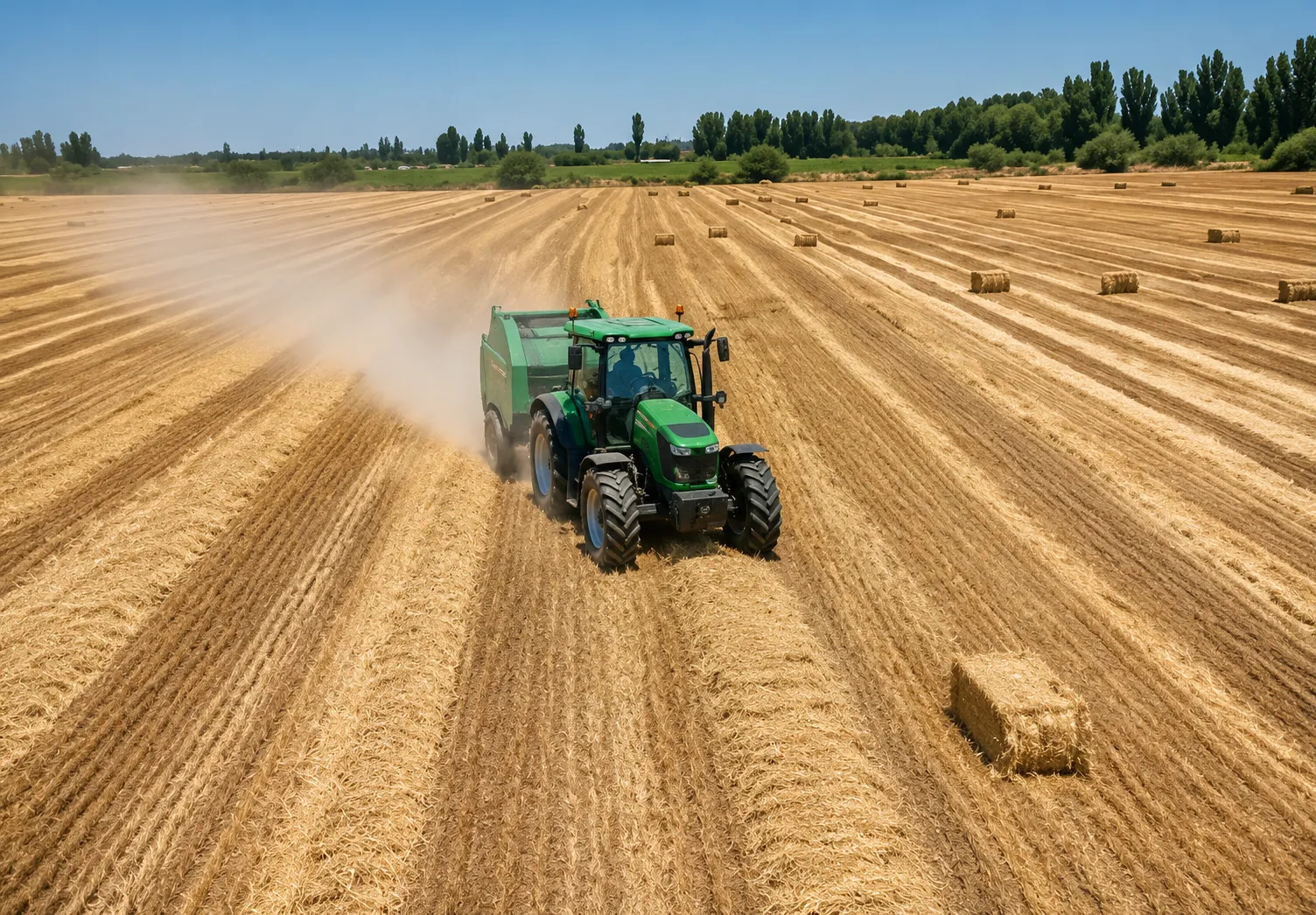
Sådan fungerer en firkantballepresser: Forklaring af mekaniske principper
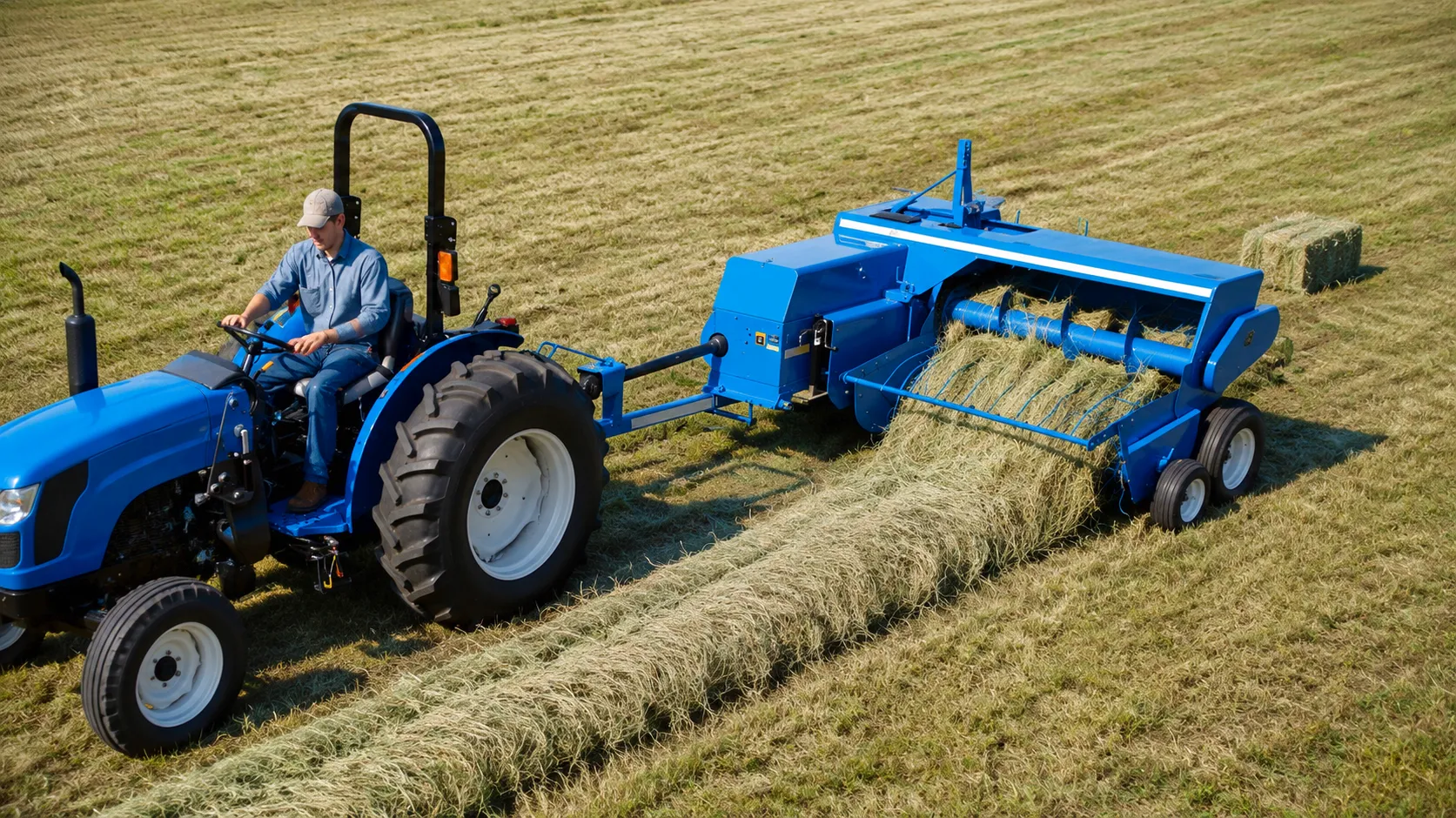
Power is delivered from the tractor PTO at 540 rpm or 1000 rpm through a driveline that typically incorporates a shear-bolt overrun clutch protecting the gearbox from shock loads when the baler encounters unexpectedly dense windrows. The pickup reel — usually fitted with spring-tine fingers on a 1.5 m to 2.2 m wide gathering width — lifts and conveys cut material from the windrow into the feeder auger throat. The auger meters crop into the pre-compression chamber in measured charges, with hydraulic or mechanical sensors monitoring chamber density to regulate feed rate and prevent choke blockages. On high-output units operating in Yorkshire straw fields, the pre-compression chamber can buffer up to four or five crop charges before releasing them into the main bale chamber, smoothing the plunger’s workload and improving bale consistency.
The plunger is the heart of the square baler. Connected via a large-diameter eccentric crankshaft and connecting rod to the flywheel, the plunger travels forward through the rectangular bale chamber on each revolution of the crank, compressing the accumulated crop charge against the previous slice of bale material already in the chamber. The kinetic energy stored in the flywheel — which on large commercial balers can weigh 200 kg or more — provides the inertia required to push the plunger through peak compression loads that may momentarily exceed 15 tonnes of force on high-density programmes. Chamber pressure is regulated by friction plates on the bale chamber walls, adjusted mechanically or hydraulically to alter bale density. A metering wheel counts the forward travel of the bale through the chamber, triggering the knotting mechanism when the set bale length is reached. The precision of this measurement directly determines bale weight consistency, which is critical for contractors billing by bale count.
The knotting mechanism is arguably the most intricate sub-assembly on the entire machine. When the metering wheel triggers the knotter trip, the twine needles swing through the bale chamber in a single coordinated movement lasting a fraction of a second, delivering a fresh length of twine around the finished bale. The knotters — there are two, four, or six depending on bale width — simultaneously form, tie, and cut the knot using a bill-hook and knife arrangement. The Deering-type or Claas-type knotter designs dominate the commercial sector; both rely on precisely timed cam profiles and hardened steel components to form a secure reef knot reliably in hay, straw, haylage, and short-cut biomass crops. Incorrect twine tension, worn bill-hooks, or misaligned timing are the most common causes of missed knots in the field. Once tied, the finished bale exits the rear of the chamber under gravity or chute guidance, ready for collection by a bale sledge or chase wagon.
Square Baler Technical & Performance Specifications
Core Technical Advantages of Modern Square Balers
Hydraulically or mechanically adjustable chamber pressure allows the operator to select bale density from approximately 90 kg/m3 for dry meadow hay up to 230 kg/m3 for high-density straw or energy crop programmes. This flexibility is essential for UK contractors managing multiple crop types across a single season, where bale weight directly affects trailer payload, haulage costs, and downstream processing economics.
The rectangular geometry of the square bale — whether the classic 36 × 46 cm “small square” or the 80 × 90 cm large format — allows near-perfect interlocking stacks without voids, maximising trailer volume utilisation and reducing movement and abrasion during road transport on UK B-roads and A-roads where trailer widths are often limited. Stacking efficiency figures for large square balers typically reach 92–96% of theoretical pallet volume, versus 75–80% for equivalent round bale programmes.
Large commercial square balers paired with high-horsepower tractors can process 80–120 tonnes of dry straw per hour in favourable conditions, making the square baler the most productive single-machine format for large-scale combinable straw operations in the arable heartlands of East Anglia, Lincolnshire, and the East Midlands. The continuous plunger cycle, unlike the intermittent operation of round baler ejection sequences, allows a more uniform power demand profile that translates into lower fuel consumption per tonne baled.
With appropriate rotor or stuffer settings, a single square baler can process wheat straw, barley straw, grass hay, dried legume hay, short-cut haylage, maize stover, miscanthus, switchgrass, and hemp straw within the same season. This versatility has driven growing adoption of square balers in the UK biomass and AD feedstock sector, where supply contracts demand consistent, specification-compliant material in formats that can be handled by standard forklift or grab crane equipment at receiving terminals.
Well-engineered square balers are designed for service lives exceeding 15 years with correct maintenance. Centralised greasing manifolds accessible from ground level, sealed gearbox housings with sight glasses for oil level monitoring, and modular knotter assemblies that can be exchanged without specialist tooling all contribute to low field downtime. For UK agricultural contractors managing tight harvest windows — where a three-day weather break may represent the only viable baling opportunity for a fortnight — minimal unplanned downtime is a paramount commercial consideration that directly influences machine specification decisions.
Industrial & Agricultural Application Scenarios
The arable counties of Lincolnshire, Norfolk, and Cambridgeshire generate some of the largest volumes of combinable crop straw in the UK, with wheat and barley straw forming the primary feedstock for livestock bedding, animal feed, mushroom compost, and biomass energy programmes. Large square balers operating in this environment are typically PTO-driven by tractors in the 250–400 hp bracket, working alongside combine harvesters and straw choppers to process residues as quickly as the harvesting operation produces them. The ability to produce bales weighing 500–600 kg in the 1,200 × 700 mm large square format allows haulage contractors to load standard curtainsider trailers to maximum legal payload, reducing transport cost per tonne to receiving biogas plant or power station facilities. Contractors in this region frequently operate three or four balers simultaneously during the August straw harvest, underlining the importance of a robust parts supply network from approved machinery dealers in King’s Lynn, Boston, and Spalding.
The expansion of the Contracts for Difference (CfD) mechanism and Renewable Heat Incentive (RHI) programmes in the UK has driven significant growth in dedicated energy crop production, primarily miscanthus and short-rotation coppice willow but increasingly including hemp, reed canary grass, and giant fescue. Square balers adapted for these applications require specific modifications: wider pickup reels to gather the voluminous, fibrous windrows produced by energy crops; pre-cut rotor assemblies to shorten material length and improve bale density; and reinforced chamber walls to cope with the higher pressures required to achieve commercially viable bale densities in bulky, low-weight-per-volume materials. Biomass receiving terminals operated by power generators in Nottinghamshire, Worcestershire, and Shropshire typically specify minimum bale density thresholds in their supply contracts, making the density adjustment system one of the most commercially critical features of the baler specification.
The dense population of equestrian establishments across the Home Counties, Surrey, Hertfordshire, and the Thames Valley creates a sustained year-round demand for small square bale hay and straw in the traditional 14 kg-18 kg format that can be handled by stable staff without mechanical assistance. Equestrian buyers place strong emphasis on bale consistency — uniform size, clean corners, tight string tension, and absence of soil contamination — that translates directly into specific requirements around baler setup, knotting precision, and pickup height management. Premium hay prices in this market segment can justify the higher labour costs associated with small square bale production, making the investment in a well-specified small square baler a commercially rational decision for producers within the M25 orbital zone and across the South-East England agricultural corridor.
Ever Power Square Baler Product Line
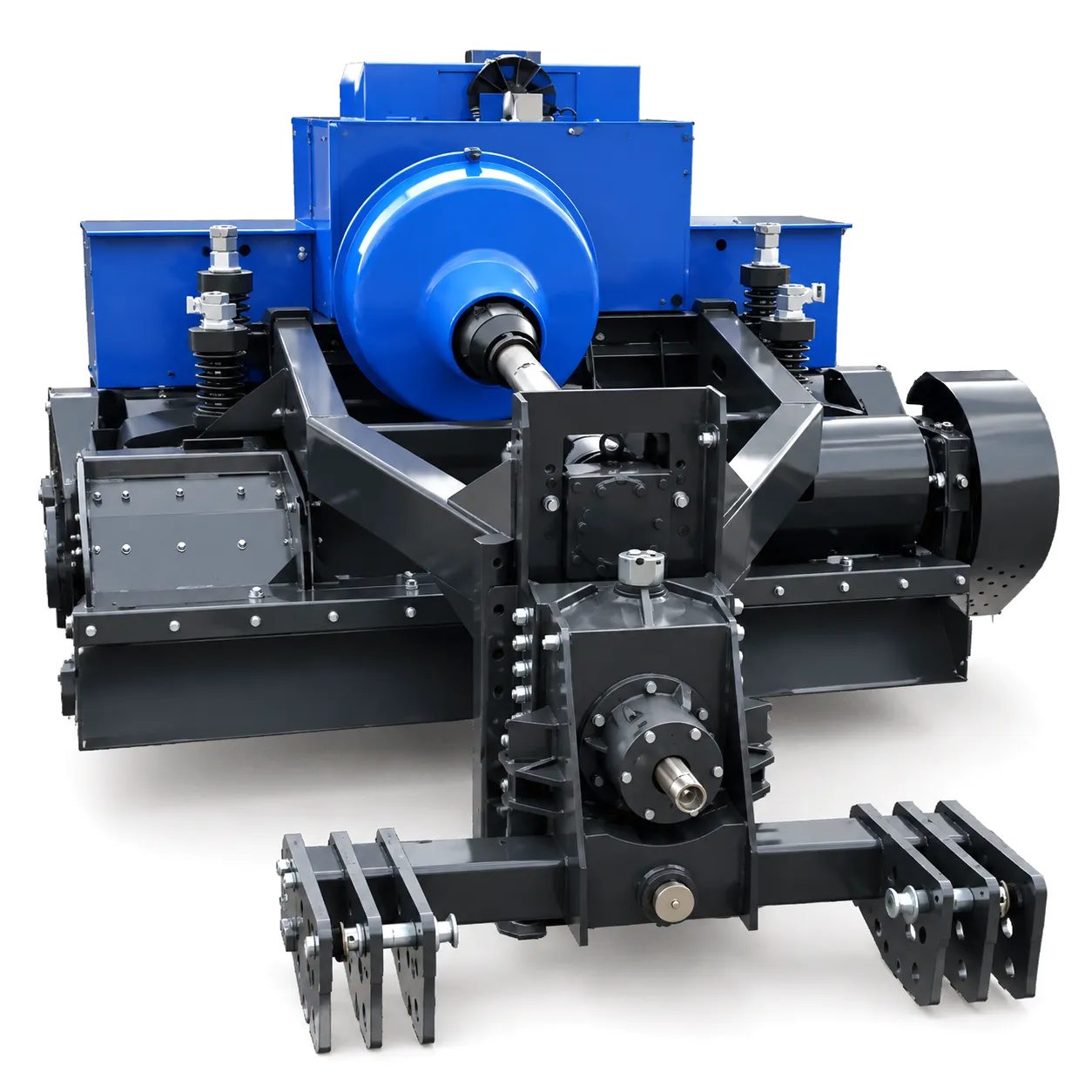
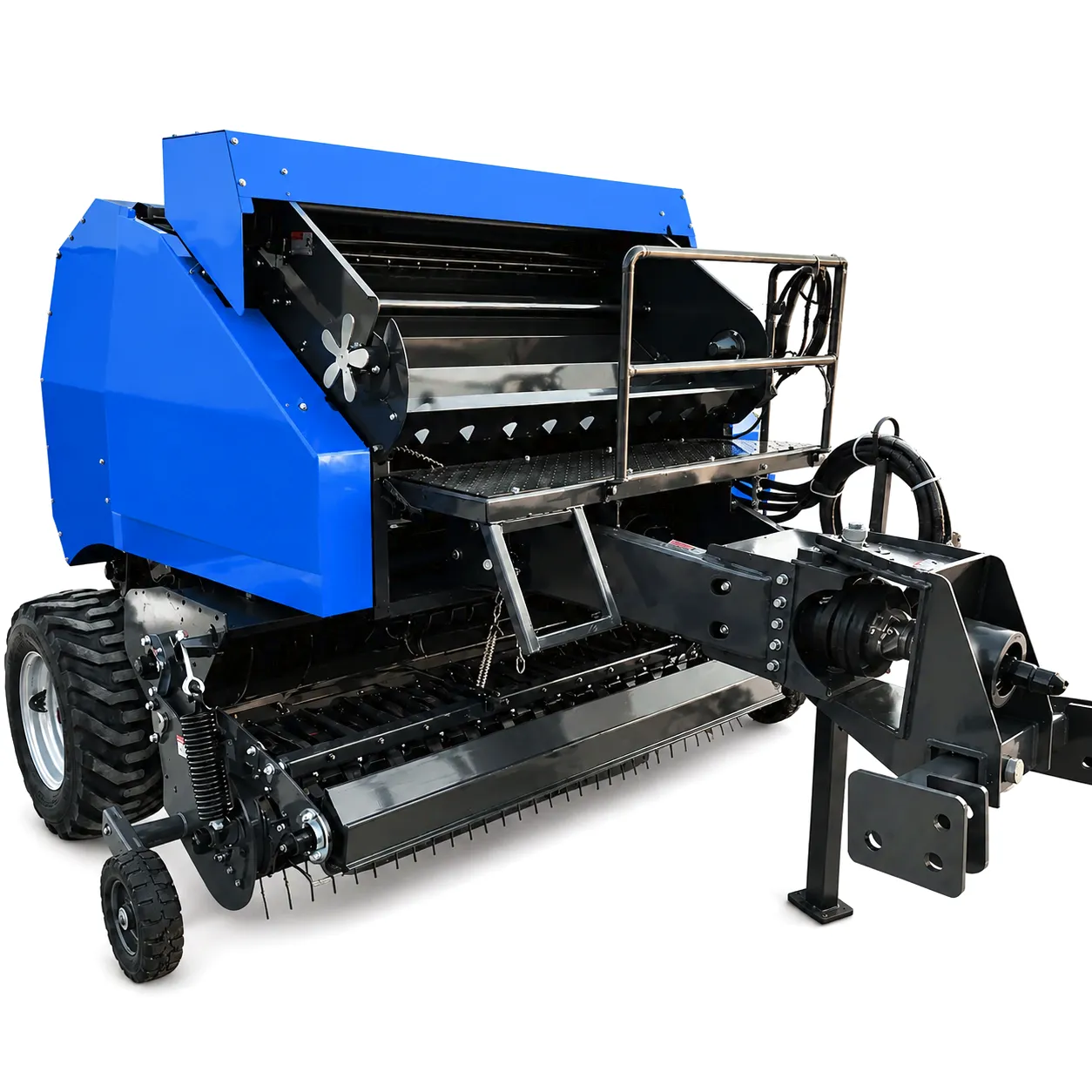
A high-output large square baler available in three chamber widths — 2,200 mm, 1,900 mm, and 1,700 mm — engineered for demanding commercial arable and biomass operations. Features a heavy-duty welded main frame, dual-knotter arrays, variable density adjustment, and compatibility with 130–220 kW tractors. Ideal for UK straw harvest contractors requiring maximum daily throughput with reliable knotting performance across extended working days.
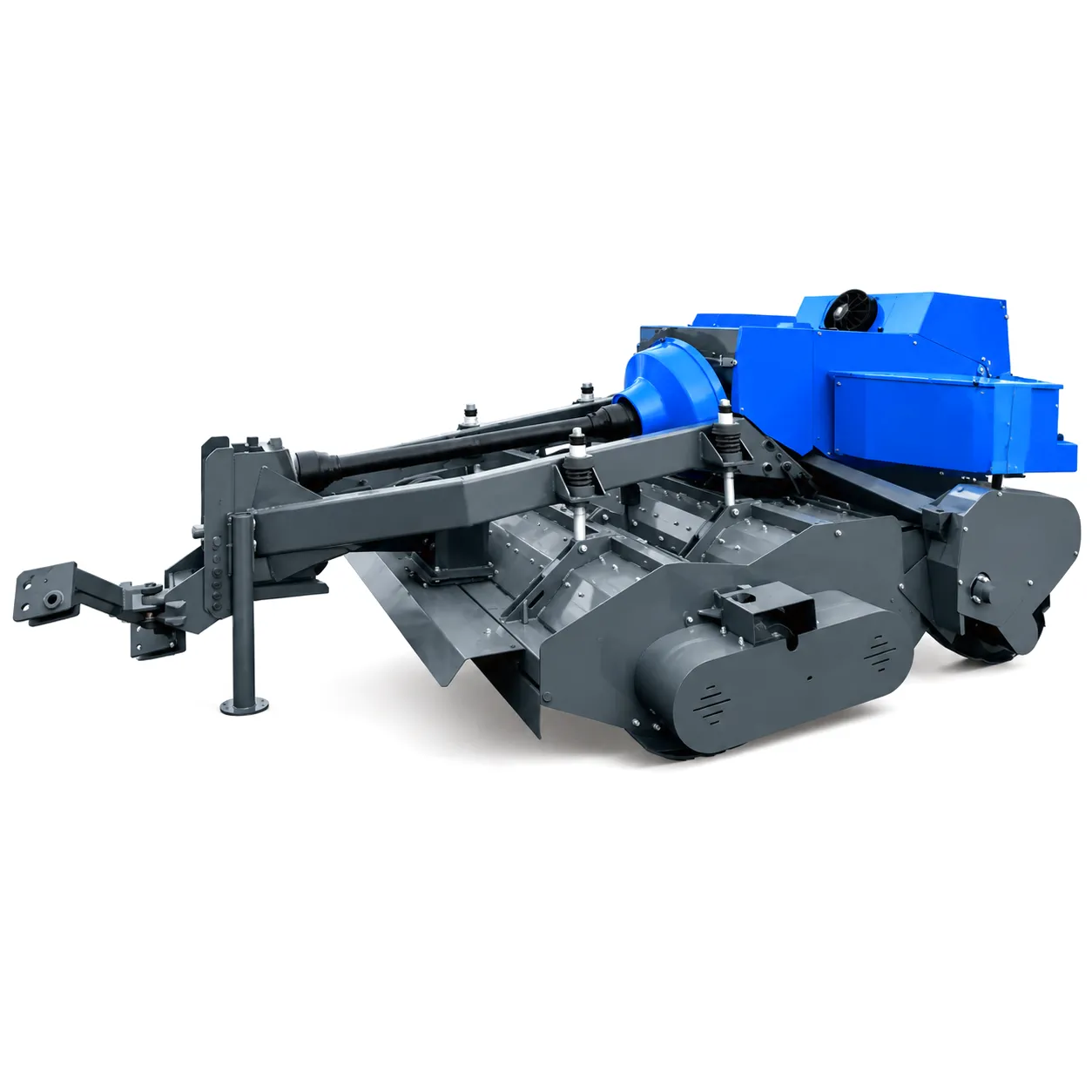
The 9YFS-2.2 brings a twin-chamber configuration that simultaneously produces two bales per machine cycle, effectively doubling productive output without increasing field operating speed or tractor power demand. Engineered for large-scale contractors and export operations requiring exceptional volume per working hour, this model incorporates a reinforced dual-knotter system and a twin-channel pickup arrangement. Its double-chamber design makes it particularly effective for biomass energy crop programmes supplying UK power generators under volume-based supply contracts.
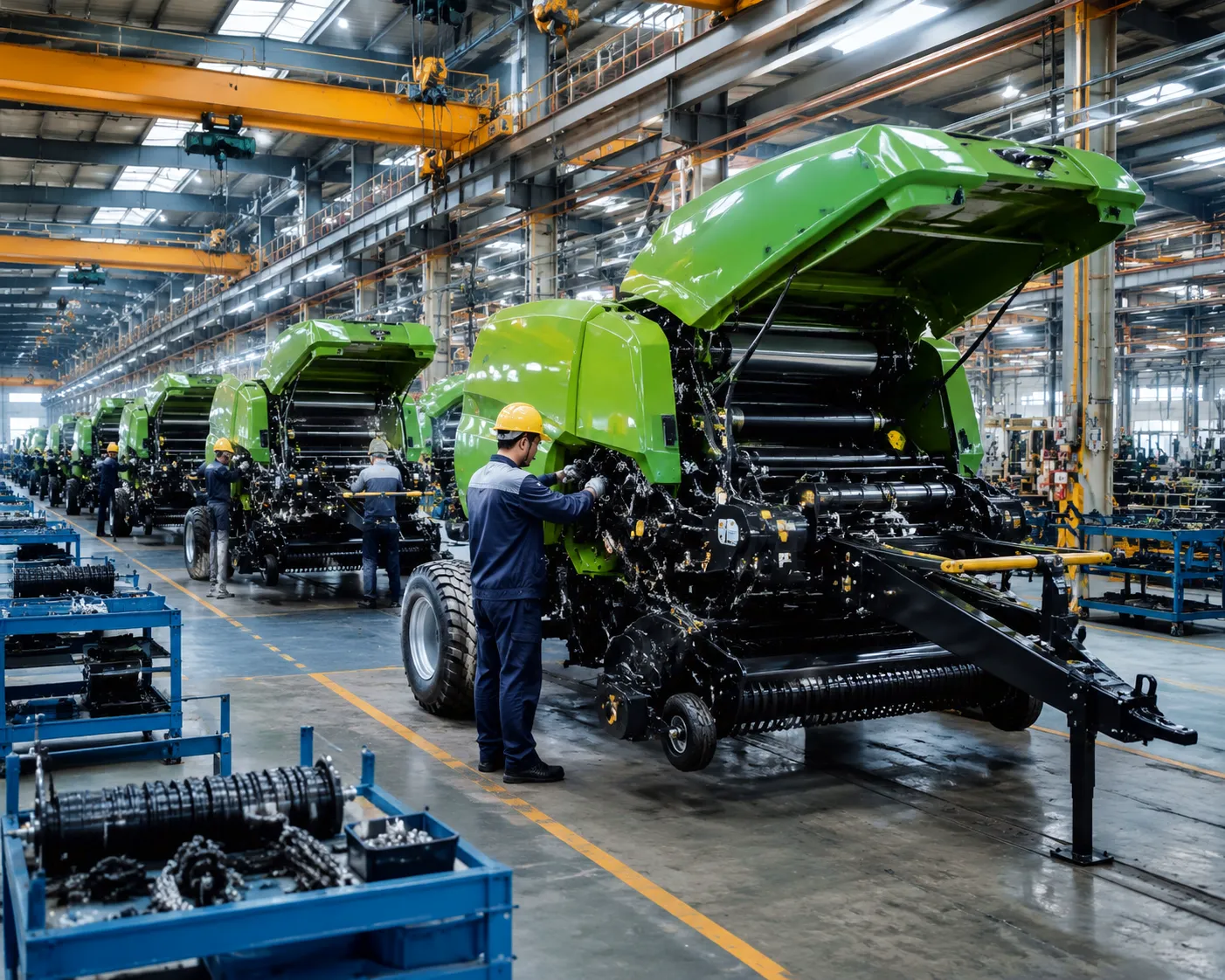
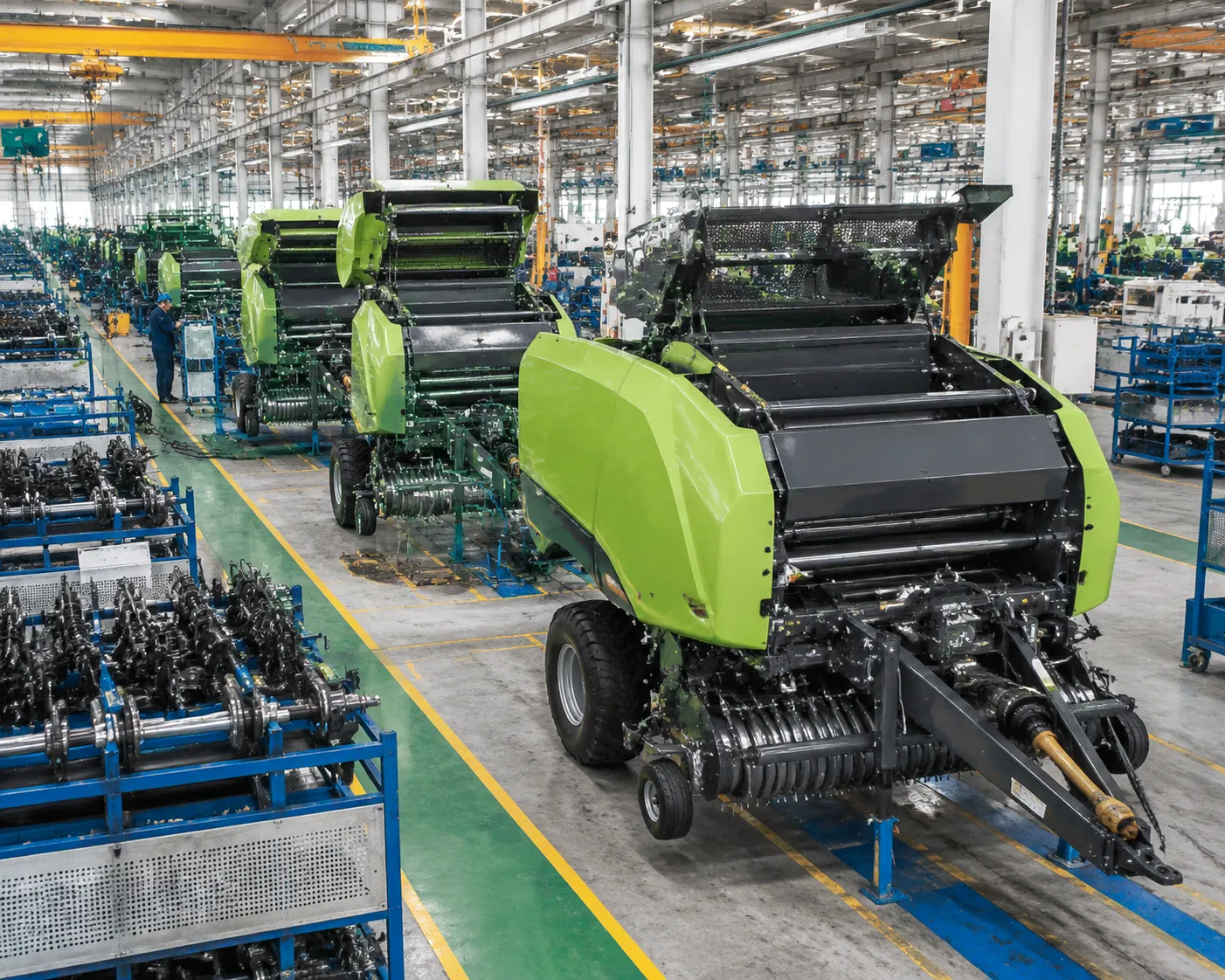
Ever Power: Precision Manufacturing & Customisation Capability
Customer Success Story: Sheffield-Based Agricultural Contractor
What UK Customers Say About Ever Power Square Balers
“The knotter reliability on this machine is genuinely impressive — we ran 12,000 bales through it in our first wheat straw season without a single missed knot. The density consistency across different crop conditions is exactly what our biomass supply contract requires, and the support from Ever Power’s technical team during setup was far better than we expected from an export supplier.”
“We specified the custom narrow-transport configuration for our Yorkshire farm, and Ever Power delivered exactly what was agreed. The ISOBUS density monitor integration works seamlessly with our tractor terminal, and the reinforced wear plate in the bale chamber shows no measurable wear after one full miscanthus season — which was our primary concern when we ordered. Competitive price and professional handling of all the CE documentation.”
“The bale weight consistency we’re achieving with the Ever Power machine has made a real difference to our trailer loading economics — we’re regularly hitting 96% of theoretical payload compared to around 81% with our old kit. Spare parts pricing is very competitive, and the English-language parts catalogue makes ordering simple. We’d definitely recommend Ever Power to other contractors looking for a cost-effective alternative to the European premium brands.”
Ofte stillede spørgsmål
📧 Get a Quote · [email protected]