Выбрать страницу

Agricultural Machinery · UK Industrial Series

Square Baler: Engineering Precision for Modern Agricultural Operations in the UK

Technical depth analysis covering working principles, material science, performance parameters, and application scenarios for British farming and industrial markets.

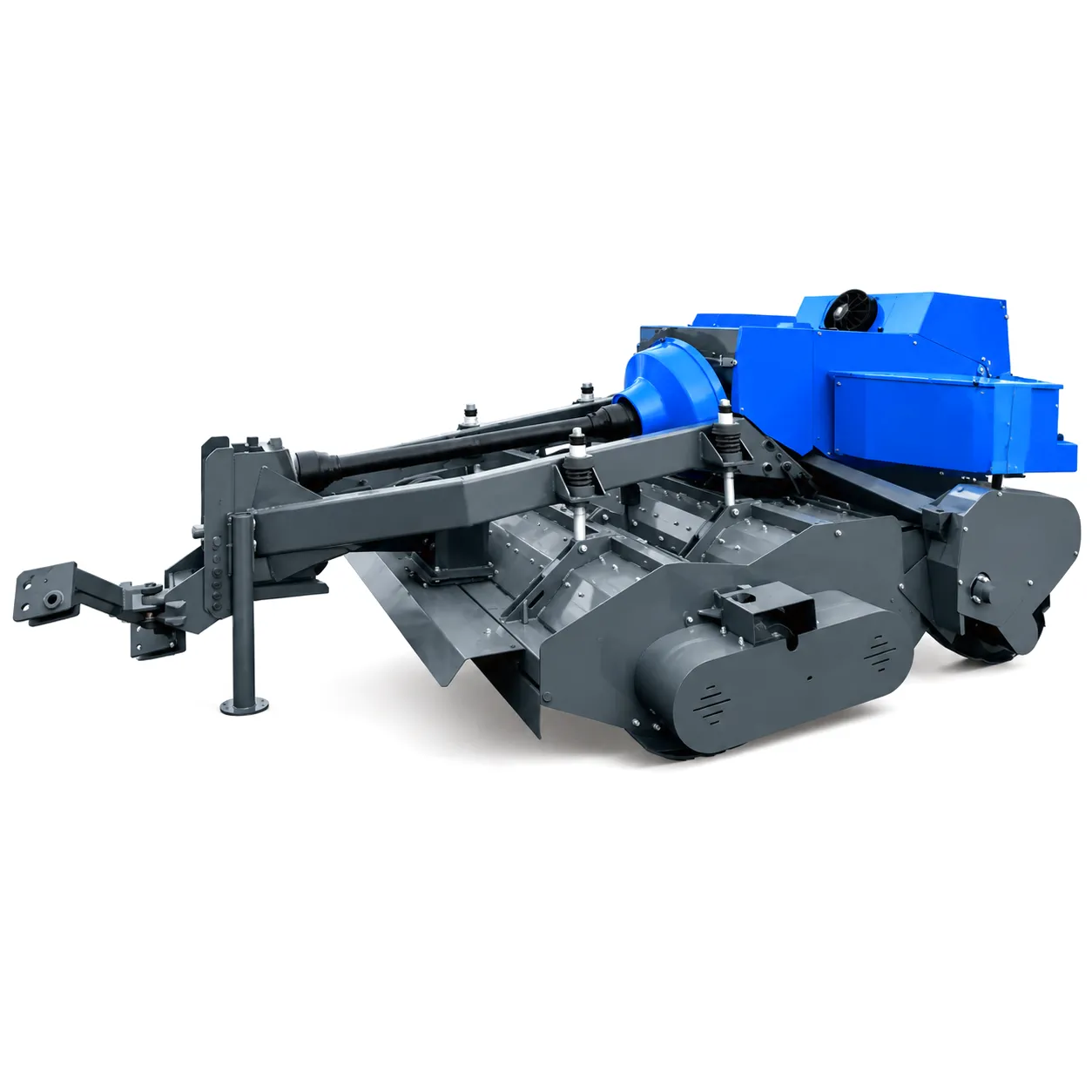
Square Baler agricultural machinery UK

Across the rolling farmlands of Yorkshire, the arable belts of East Anglia, and the mixed-use agricultural estates of the Scottish Borders, the square baler has become one of the most operationally critical machines on the modern farm. It is not merely a compression device; it is the intersection of mechanical engineering, material science, and agronomic efficiency packaged into a single trailed or mounted unit capable of transforming loose crop residues into dense, stackable, and commercially viable bales within a single pass across the field. As UK agriculture faces mounting pressure to reduce waste, improve logistics, and meet sustainability targets under post-Brexit environmental land management schemes, the role of high-performance square balers has never been more strategic. Farmers in Lincolnshire managing thousands of hectares of combinable crops, as well as contractors in Devon handling small mixed-grass operations, all demand the same core attributes: mechanical reliability, consistent bale density, and minimal downtime during the narrow harvest window that defines British summer operations.

The evolution of square baler technology mirrors the broader transformation of UK arable and livestock farming over the past four decades. From the early fixed-chamber knotters of the 1970s through to today’s electronically monitored, variable-density baling systems with onboard telemetry, the mechanical principles at the heart of every square baler remain elegantly consistent even as the precision and output capacity have scaled dramatically. Understanding those principles — the geometry of compression, the metallurgy of wear surfaces, the dynamics of knotter mechanisms — is what separates a well-specified purchase from a costly and operationally disruptive mistake.

Ready to source a high-performance square baler for your UK agricultural operation?

📩 Get a Quote Now

How a Square Baler Works: The Mechanical Principle Behind Every Bale

🔄

Pick-Up and Feed Mechanism

The sequence begins the moment the baler is drawn across a windrow. Rotating pick-up tines — typically spring-steel fingers mounted on a rotating drum — lift the crop from the ground and transfer it rearward via a feed auger or packer fingers into the pre-compression chamber. The geometry of this feed zone is critical: inadequate crop flow produces uneven flake formation, which directly compromises final bale density uniformity. On premium UK-specification machines designed for heavy straw crops common in Cambridgeshire and Norfolk, heavy-duty auger flighting and crop deflectors ensure consistent mass flow regardless of windrow width or crop density variation. The transition from pick-up drum to bale chamber defines the volumetric throughput capacity of the entire machine.

⚙️

Plunger Compression Cycle

The defining mechanical action of a square baler is the reciprocating plunger. Driven by a heavy flywheel through a crank-and-connecting-rod assembly, the plunger sweeps through the rectangular bale chamber at speeds between 60 and 100 strokes per minute on modern high-output machines. Each stroke compresses the accumulated crop flake against the previously formed material, building density progressively through successive layers. The plunger face is hardened and precision-ground to maintain the dimensional accuracy required for consistent bale cross-sections. The flywheel — often exceeding 300 kg on large-format machines — stores rotational kinetic energy to smooth out the substantial peak loads generated at maximum compression, a design feature that directly protects the PTO driveline and tractor transmission from shock loading events that would otherwise shorten service life dramatically in intensive UK harvest operations.

🪢

Knotting and Tying System

When the bale reaches its programmed length — measured by a star wheel metering device rotating against the bale surface — the knotting cycle is triggered automatically. Twin or triple knotter assemblies simultaneously wrap twine around the bale through a coordinated sequence of needle, bill hook, and twine disc movements that execute a complete knot in less than 200 milliseconds. The Deering-type double-loop knot used on most commercial square balers has remained the industry standard for generations because of its exceptional security under the compressive forces exerted during storage and transport. Twine tension management, needle timing, and bill hook geometry must all be held within tight manufacturing tolerances; a single misaligned component produces missed knots that can cause bale failure during mechanised stacking or transport on UK road networks.

Core Materials in Square Baler Manufacturing: What Makes the Difference
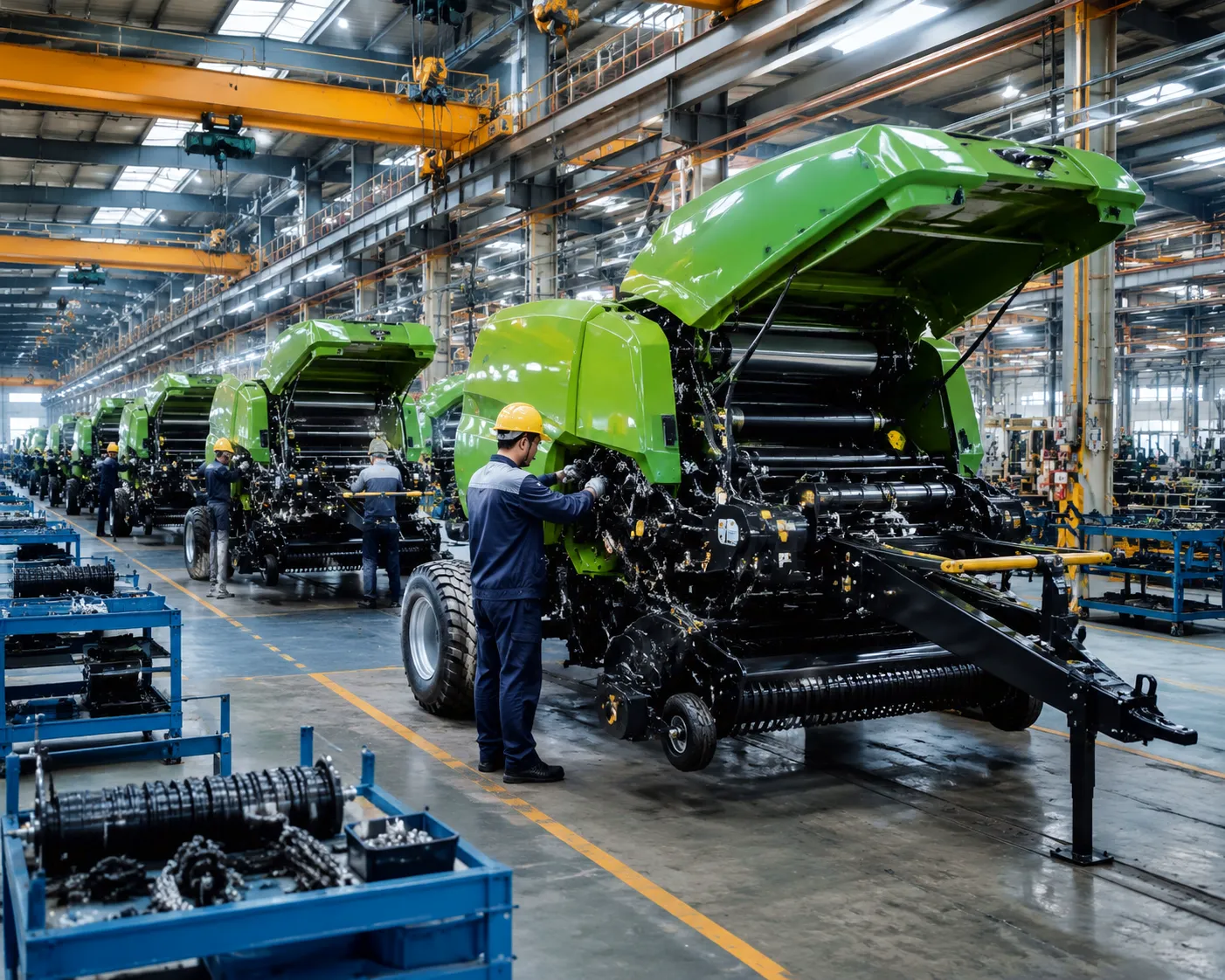
Square baler manufacturing workshop

The durability and performance consistency of a square baler across a multi-decade operational life depends almost entirely on the material selection decisions made at the design and manufacturing stage. The bale chamber itself — the rectangular tunnel through which the crop is progressively compressed — must withstand continuous abrasive wear from crop material while maintaining dimensional stability under cyclic compressive loads that can exceed 150 kN on heavy-duty large-square machines. High-carbon manganese steel, typically with a hardness rating of 280–320 HB (Brinell), is used for the chamber walls and plunger face because it combines adequate ductility to resist cracking from impact loads with the surface hardness necessary to resist the silica abrasion inherent in handling mature cereal straw — a particularly punishing material in the high-silica crops common in east England.

The flywheel and crank assembly operate under conditions of extreme cyclic stress, and are typically manufactured from SAE 4140 chromium-molybdenum alloy steel, heat-treated and shot-peened to improve fatigue resistance. Knotter components — needles, bill hooks, and twine discs — are precision-machined from case-hardened steel and in some premium configurations, from sintered carbide inserts on the bill hook tip to extend the interval between scheduled maintenance interventions. The pick-up tine material is usually 65Mn spring steel, selected for its ability to flex around stones and foreign objects without permanent deformation. Across all wear-critical components, zinc-phosphate or powder-coat surface treatments provide baseline corrosion resistance appropriate for the wet and variable conditions that characterise UK harvest seasons — a very different operating environment from the dry continental conditions for which some imported designs were originally optimised.

Core Technical Advantages of Modern Square Balers

📦

High-Density Bale Formation

Variable hydraulic chamber pressure systems allow operators to adjust bale density in real time, achieving compact bales that stack safely without deformation during long-haul transport to UK biogas plants, equestrian feed merchants, or export consolidation centres. Dense bales also reduce storage footprint per tonne of dry matter, a significant economic consideration for farms with limited barn capacity in the South West and Midlands.

High-Throughput Capacity

Large-format square balers operating in conjunction with high-horsepower tractors can produce upward of 130 bales per hour in optimum conditions, translating to harvested throughputs exceeding 40 tonnes per hour in heavy wheat straw. This output capacity is decisive for large contract operators in Lincolnshire and the Fens who must process hundreds of hectares of stubble within the tight post-harvest window before autumn cultivations must begin.

🔧

Simplified Maintenance Architecture

Central lubrication manifolds, sealed gearboxes with extended oil-change intervals, and swing-open service panels bring annual maintenance requirements well within the capabilities of farm workshops. This matters particularly in rural Scotland and Wales, where access to specialist agricultural engineers can mean a delay of several days, during which a broken-down machine represents a critical operational bottleneck. Tool-free access to the knotter mechanism dramatically reduces the time cost of routine adjustments and mid-harvest cleaning cycles.

🌿

Versatile Crop Compatibility

Modern square balers accommodate wheat straw, barley straw, hay, silage crops, miscanthus energy crops, hemp fibre, and industrial reed — a breadth of capability that makes them relevant across mixed farm enterprises throughout the UK. Adjustable pick-up tine spacing, variable crop floor clearance, and variable chamber friction settings allow a single machine configuration to handle crops ranging from light, fluffy reed canary grass to heavy, dense miscanthus stems without the need for major conversion work between jobs.

📡

Precision Electronic Monitoring

ISO-Bus-compatible control terminals deliver real-time data on bale count, average bale weight, knotter cycle status, twine consumption, and PTO load — information that integrates directly into farm management software platforms used by precision agriculture operations throughout the UK. Wireless bale mapping capability allows geo-referenced bale location data to be fed directly into harvest logistics planning tools, optimising trailer routing and loader allocation on large-acreage harvests where logistics costs are a significant proportion of total straw handling expense.

Square Baler Technical and Performance Parameters Table

ПараметрSmall Square BalerMedium Square BalerLarge Square Baler
Bale Cross-Section360 × 460 мм500 × 600 mm800 × 900 mm
Bale Length (adjustable)400–1000 mm500–1500 mm800–2500 mm
Plunger Strokes / min80–10070–9050–75
Max. Compression Force60–80 kN90–130 kN150–220 kN
Масса маховика120–160 kg200–280 кг300–420 kg
Required PTO Power45–70 kW75–110 kW130–200 kW
Chamber Wall MaterialHB 280 Manganese SteelHB 300 Mn-B SteelHB 320 Boron Steel
Ширина захвата1700 mm1900–2200 mm2200–2400 mm
Tying System2-needle twine3-needle twine / net4–6 needle net / twine
Max Bale Weight (straw)20–35 kg80–200 kg350–650 kg
Crank Shaft MaterialSAE 4140 Cr-Mo SteelSAE 4140 Cr-Mo SteelSAE 4340 Ni-Cr-Mo Steel
Output Capacity60–100 bales/hr40–80 bales/hr20–50 bales/hr

Application Scenarios: Where Square Balers Deliver Measurable Value
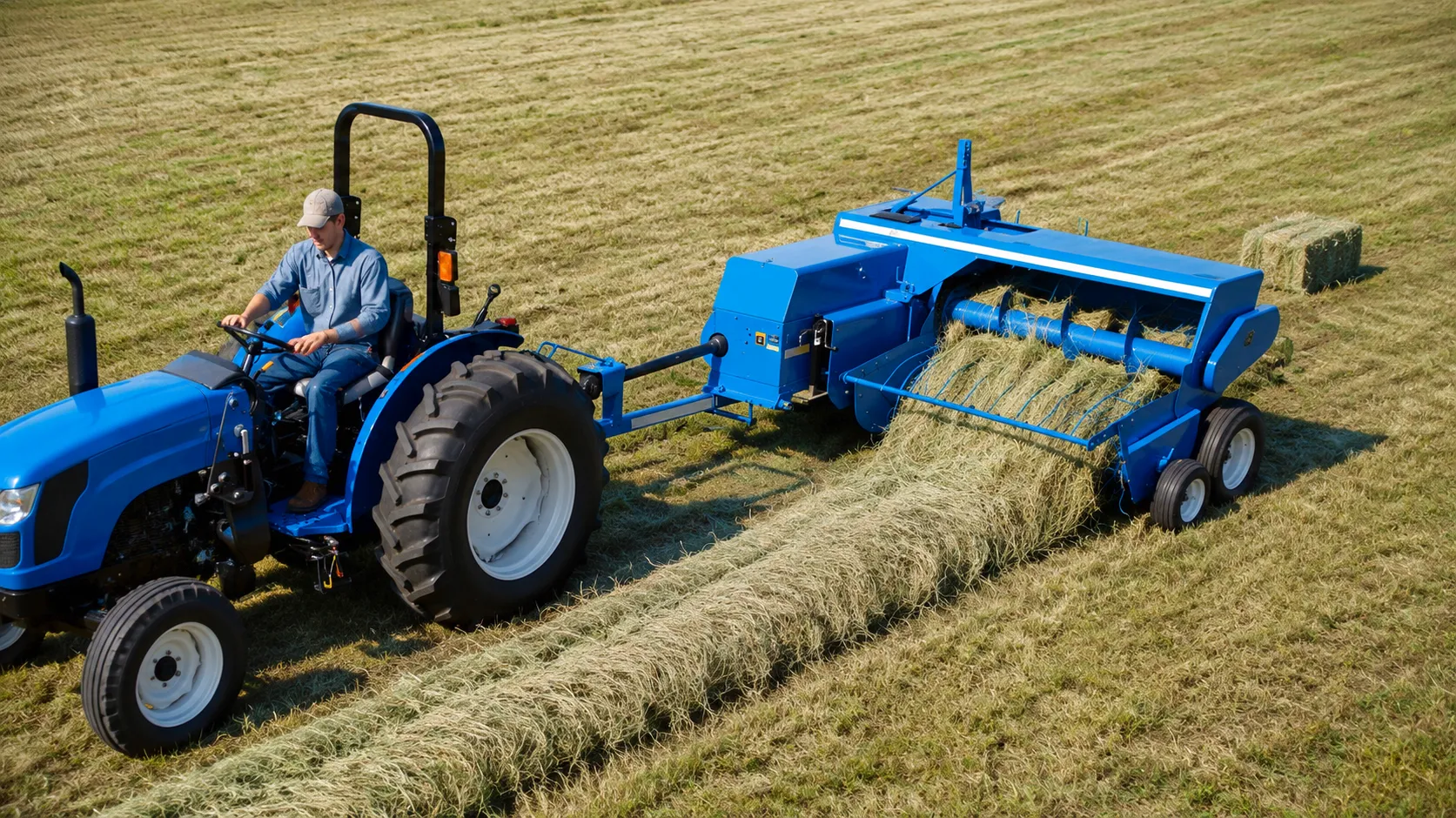
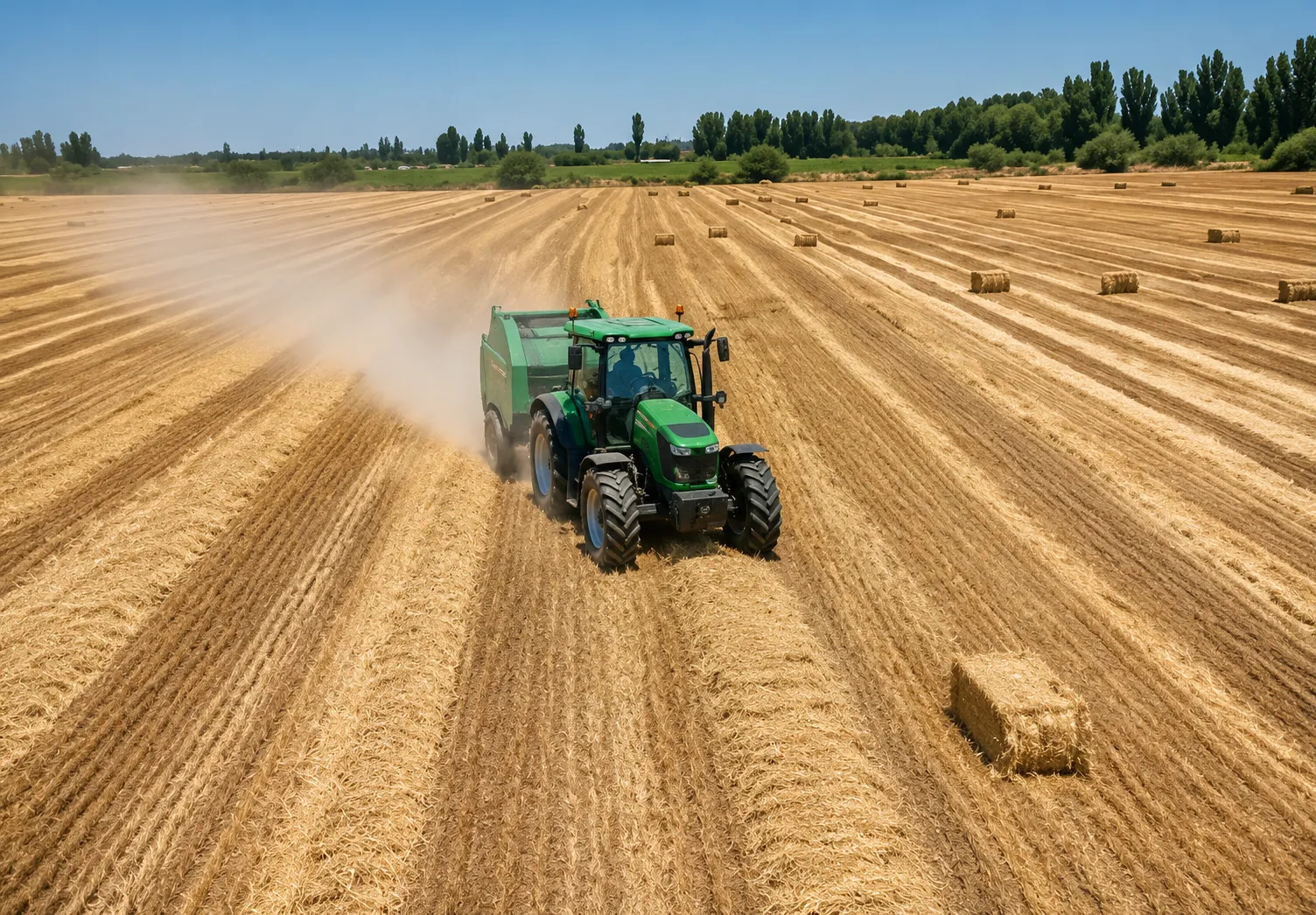
Square baler in field application

Scenario 1: Combinable Crop Straw Harvesting in Lincolnshire and East Anglia

In the flat, high-yielding arable zones of Lincolnshire, Cambridgeshire, and north Norfolk, wheat and barley straw represents a significant co-product of the grain harvest — one that has acquired substantially increased commercial value in recent years as a feedstock for biomass power generation plants, mushroom substrate suppliers, and equestrian bedding merchants. Large-format square balers operating in these regions must maintain consistent bale dimensions and density to satisfy the weight-per-load specifications of commercial haulage contractors operating under UK road transport regulations. A poorly calibrated baler producing bales of variable density can cost a farming business thousands of pounds in curtailed load weights across a season. The square baler used in these environments is typically specified with a 2200 mm pick-up width, heavy-duty pre-cutter rotor, and high-flow hydraulic density management to cope with the high-volume, heavy straw yields that follow exceptional UK cereal harvests.

Scenario 2: Hay and Silage Production for Livestock Enterprises in Yorkshire Dales and Cumbria

Upland livestock enterprises in the Yorkshire Dales, Cumbria, and the Welsh hill country rely on preserved forage bales to carry beef suckler herds and dairy replacements through the long winter period when grass growth ceases. Square balers used in these environments face a fundamentally different challenge from arable straw baling: they must handle high-moisture forage crops at moisture contents that can reach 55–65% in the case of haylage crops, requiring robust bale chamber sealing, heavy-duty net-tying capability, and enhanced corrosion protection on all mechanisms exposed to the acidic environment created by fermentation gases. The ability to produce consistently dense bales for inoculant-treated haylage production is particularly valued by forward-thinking farmers seeking to reduce dry matter losses during storage below the 5% threshold targeted under progressive forage management programmes.

Scenario 3: Energy Crop Baling for Biomass Power and Anaerobic Digestion Plants in the East Midlands

The rapid expansion of biomass energy infrastructure across the East Midlands — encompassing AD facilities in Nottinghamshire, Derbyshire, and Leicestershire — has created sustained commercial demand for uniformly baled energy crops including miscanthus, short-rotation coppice, reed canary grass, and purpose-grown hemp. These crops present unusual mechanical challenges: miscanthus stems, for example, are extremely abrasive due to their silica content and resist compression differently from conventional grass or cereal crops. Square balers specified for biomass baling in this sector are typically fitted with wear-resistant steel chamber inserts, heavy-duty knife rotors for pre-cutting long-stemmed material to improve flow rates, and high-capacity twine tying systems capable of handling the large bale circumferences produced when making dense biomass bales destined for direct combustion feed systems at power stations in Nottingham and Leicester.

Scenario 4: Industrial Hemp Fibre Baling for Textile and Construction Material Producers in Sheffield and Manchester

The renaissance of industrial hemp cultivation across UK farmland — driven by demand from construction hempcrete manufacturers, automotive thermal insulation producers, and natural fibre textile mills operating in the Sheffield and Manchester corridors — has introduced the square baler to a new generation of specialist industrial applications. Hemp fibre baling demands a fundamentally different approach to standard agricultural baling: the long, interlocking bast fibres create bridging problems in standard pre-compression chambers, and the high bulk density of mature hemp stems requires maximum compression force to produce bales dense enough for cost-efficient road freight to processing facilities. Dedicated hemp-configuration square balers fitted with enlarged intake chambers, active anti-bridging mechanisms, and hydraulic density pre-set control allow dedicated hemp-growing businesses to specify their bale weight to within 5 kg of target, a precision that is commercially important when bales are sold by weight under fixed forward contracts.

Featured Square Baler Models from Ever Power
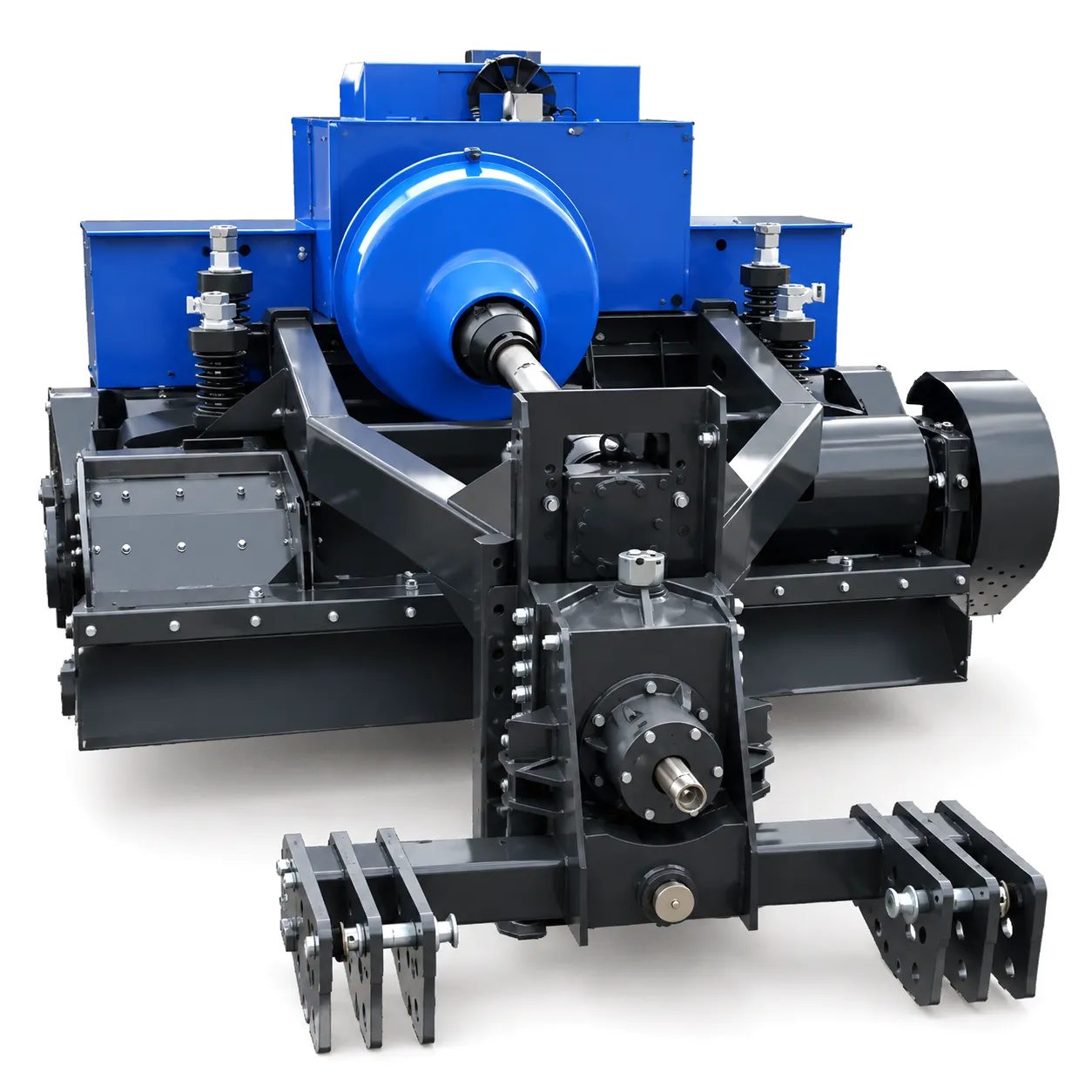
9YF-2200 Square Baler

HIGH OUTPUT

Пресс-подборщик квадратных тюков 9YF-2200/1900/1700

The 9YF series covers three pick-up widths — 2200, 1900, and 1700 mm — making it adaptable across UK field widths from compact market garden plots to the wide-swath operations typical of Lincolnshire arable enterprises. Equipped with a precision-balanced flywheel assembly and heavy-duty knotting system compatible with both sisal and synthetic twine, this model delivers consistent bale quality across straw, hay, and biomass crops with minimal operator intervention.

View Product Details →

9YFS-2.2 Двухкамерный пресс для тюков квадратного сечения

DUAL CHAMBER

9YFS-2.2 Двухкамерный пресс для тюков квадратного сечения

The 9YFS-2.2 takes productivity to the next level with its innovative double-chamber architecture, allowing simultaneous pre-compression and final bale formation to occur in parallel rather than sequentially. This design significantly increases throughput capacity while maintaining the consistent bale geometry required for automated stacking and transport systems. Ideal for large contract operations in East Anglia and the Yorkshire Wolds where bale output per day is the primary commercial metric.

View Product Details →

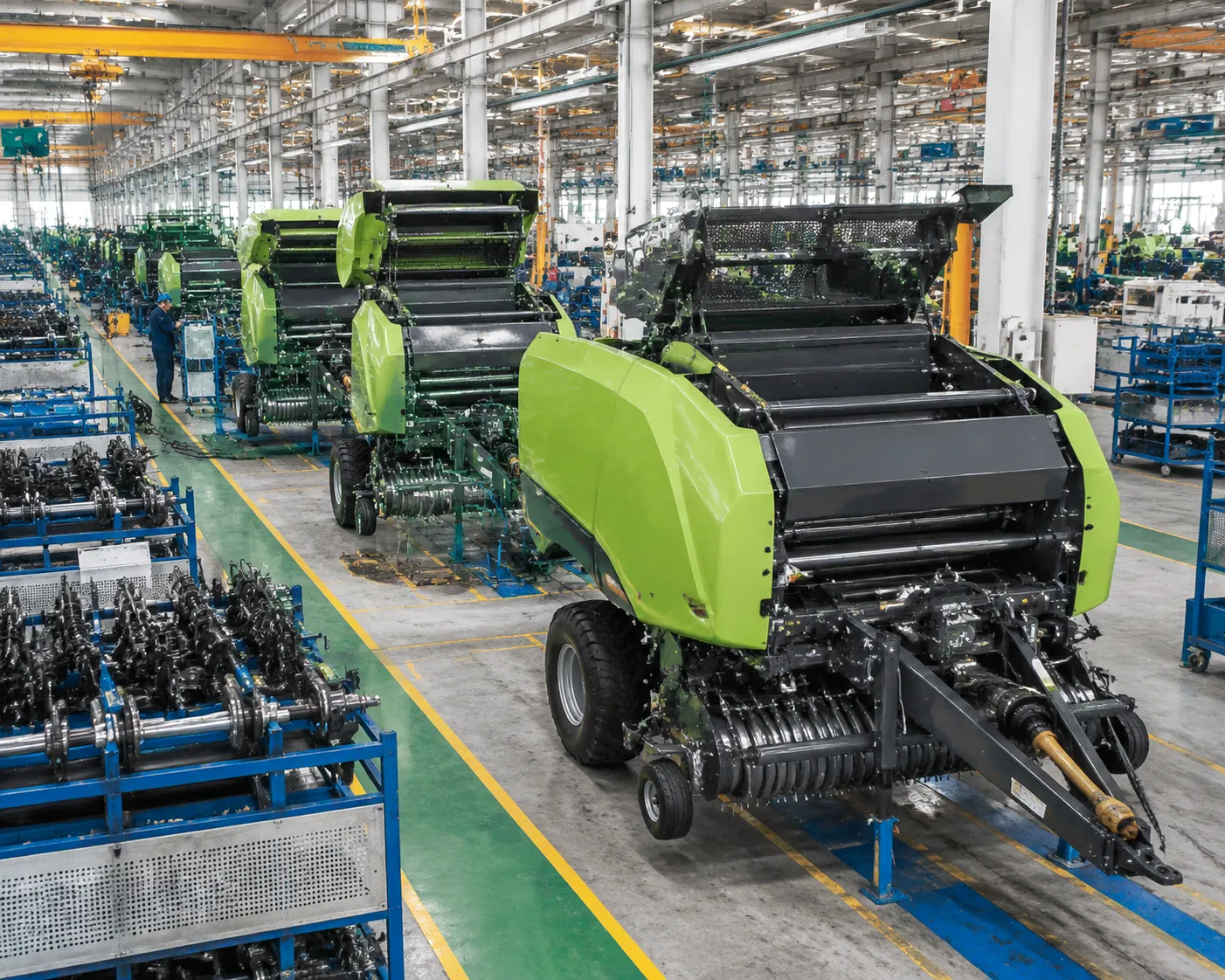
Ever Power square baler manufacturing facility

Ever Power: Precision Manufacturing and Customisation for UK Agricultural Markets

Ever Power operates an integrated manufacturing facility of over 35,000 square metres, housing CNC machining centres, robotic welding lines, automated heat treatment cells, and a dedicated quality assurance laboratory with coordinate measuring machines capable of verifying component tolerances to within ±0.02 mm. This manufacturing infrastructure gives Ever Power the foundation to produce square balers that meet not just standard commercial specifications, but the bespoke requirements of specialist UK buyers whose operational environments fall outside the parameters addressed by catalogue machines. From chambers lined with imported Swedish boron steel for extreme-abrasion miscanthus operations to knotter assemblies calibrated for heavy-gauge polypropylene twine preferred by UK organic hay producers, Every component specification is within our engineering team’s scope.

The Ever Power supply chain advantage extends beyond the factory gate. A dedicated spare parts logistics operation maintains a perpetual inventory of over 4,000 line items covering all wear-critical components across the full baler range, with express freight partnerships enabling next-day delivery to UK agricultural distribution centres in Birmingham, Peterborough, and Edinburgh. For UK importers and distributors, this supply chain reliability transforms the commercial proposition: instead of carrying large and expensive parts stockholdings to buffer against supplier uncertainty, distribution partners can operate with lean inventories backed by a reliable pull-through replenishment system.

35,000+
m² Manufacturing Floor
4,000+
Spare Parts Line Items
±0.02mm
Component Tolerance
20+
Years Export Experience

Enquire directly about customised square baler specifications for your UK operation:

📩 Request a Custom Quote

Customer Success Story: Large-Scale Straw Baling Operation in Peterborough, East Midlands
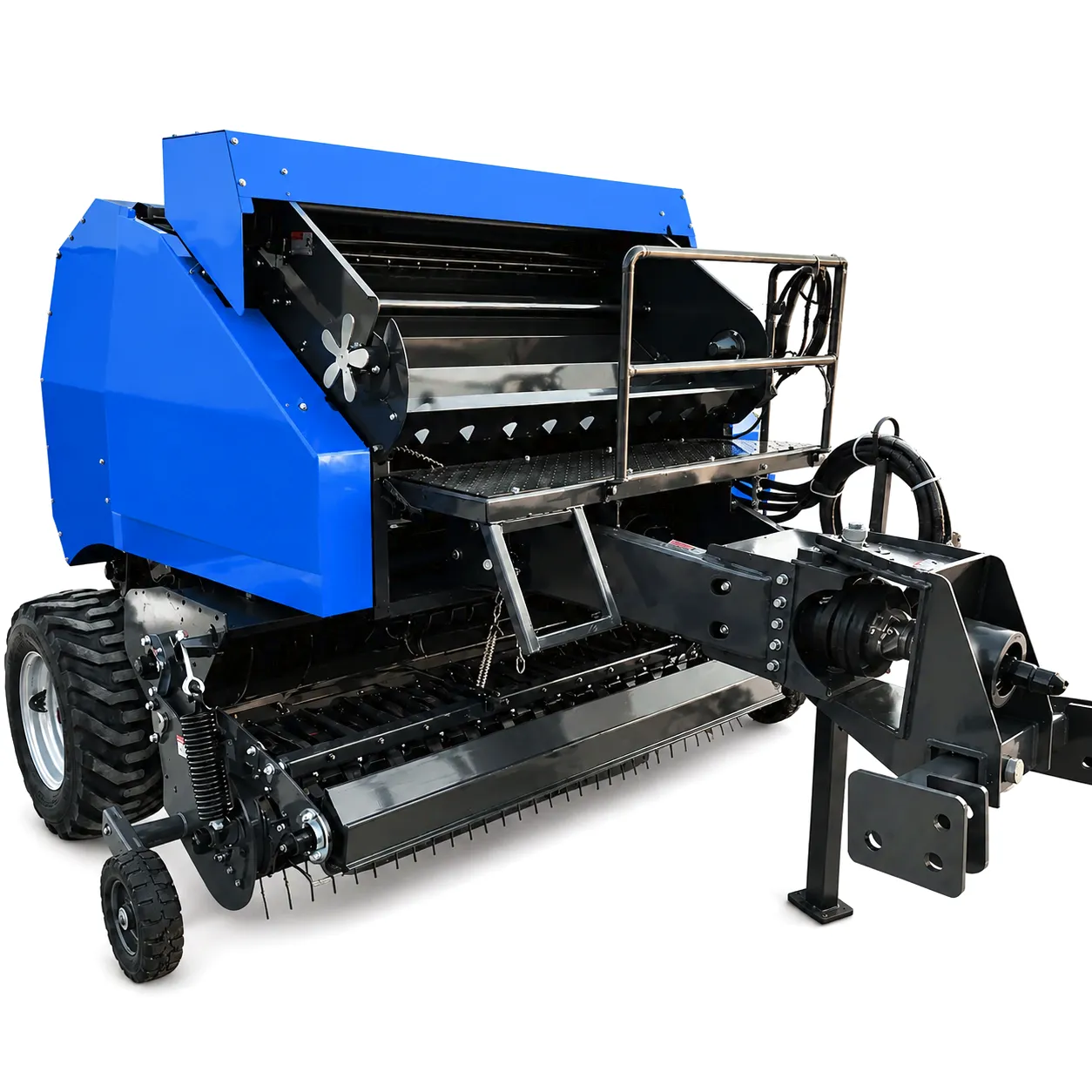
Customer operation baling in Peterborough

Northgate Agricultural Contractors, operating across approximately 4,200 hectares of combinable crop land in the Peterborough and Spalding areas of the East Midlands, came to Ever Power in the spring of 2023 seeking a replacement for a fleet of ageing high-density square balers that were consuming excessive maintenance hours and delivering inconsistent bale weights — a problem that had begun to affect their commercial relationships with two local biomass energy suppliers who required bales within a narrow weight tolerance for their automated feed conveyors.

After a detailed technical consultation with the Ever Power engineering team — covering crop type, daily throughput targets, tractor fleet compatibility, and specific bale weight tolerances required under their supply agreements — Northgate specified three units of the 9YF-2200 model with custom-engineered heavy-duty pre-cutter rotors, upgraded boron-steel chamber liners, and dual-channel twine tying calibrated for the heavy-gauge synthetic twine they sourced through their existing UK agricultural merchant relationships. The units were delivered and commissioned in June 2023, in time for the winter wheat harvest. Over the following six-week harvest campaign, the three machines processed over 3,800 hectares of straw, producing more than 42,000 bales with an average weight deviation of less than 4 kg from the target specification — performance that earned commendation from both of their biomass supply partners and enabled Northgate to negotiate a premium payment clause into their 2024 supply contract.

★★★★★

“The bale weight consistency from these machines has genuinely changed the commercial conversation we’re having with our biomass customers. Before, we were arguing over rejected loads — now we’re talking about expanding volumes. The pre-cutter rotor handles our heavy straw without bridging issues, even in the wet patches along the fen edges.”

— James Harrington, Operations Director, Northgate Agricultural Contractors, Peterborough
★★★★★

“What impressed me most about Ever Power’s approach was the depth of the pre-delivery technical consultation. They asked questions about our specific straw types, our tractor fleet, even the road routes our hauliers use — and those details ended up in the machine spec. It didn’t feel like buying off a price list; it felt like a genuine engineering partnership.”

— Sarah Pemberton, Farm Business Manager, Spalding Area, Lincolnshire
★★★★★

“We’ve been running the dual-chamber model through our miscanthus harvest for two seasons now, and the throughput improvement over the machine it replaced is roughly 35%. The boron-steel chamber inserts have shown almost no measurable wear despite two full miscanthus seasons. Replacement parts have arrived within 48 hours on the two occasions we’ve needed them — that supply chain reliability is genuinely important when you’re under harvest pressure.”

— Robert Caldwell, Contract Baling Specialist, East Midlands Biomass Services, Nottingham

Frequently Asked Questions About Square Balers in the UK

How much does a large square baler typically cost from a UK agricultural supplier, and what should I budget for installation and commissioning?

The price of a large square baler from a UK agricultural supplier varies considerably depending on specification, origin, and the level of customisation involved. Catalogue-sourced machines from European manufacturers typically range from £85,000 to £180,000 for large-format models, while machines supplied directly from manufacturer-to-importer arrangements — such as those offered by Ever Power — can deliver materially better value at equivalent or superior specification levels. Commissioning costs are generally modest for trailed machines, typically under £1,500 for dealer PDI inspection and initial calibration. To receive an accurate price for a specific configuration matched to your UK operation, contact Ever Power directly at [email protected].

Which square baler model is best suited for heavy wheat straw baling operations in the East Anglia and Lincolnshire arable regions of the UK?

For the heavy straw conditions typical of high-yield wheat crops in East Anglia and Lincolnshire, a large-format machine with a pick-up width of at least 2200 mm, a heavy-duty pre-cutter rotor, and a flywheel mass above 280 kg is the appropriate specification. Ever Power’s 9YF-2200 model has been specifically well received in these applications, with boron-steel chamber upgrade options available for operators prioritising extended wear intervals. The 9YFS-2.2 Double-Chamber variant offers additional throughput advantages for operations running multiple shifts or facing particularly tight weather windows during UK harvest.

What is the typical maintenance schedule for a square baler operating in UK conditions, and how can I reduce downtime during the busy harvest season?

A well-maintained square baler operating in UK conditions will typically require daily greasing of all knotter and bearing points during the harvest season — a task that takes 15–20 minutes using a central lubrication manifold system. Weekly tasks include checking knotter timing and bill hook clearance, inspecting pick-up tine condition, verifying flywheel drive shaft lubrication, and checking twine path guides for wear. Annual pre-season service should include plunger wear plate inspection and replacement if necessary, gearbox oil change, and full knotter overhaul. Keeping a dedicated set of knotter components as on-farm spares is the single most effective way to reduce harvest downtime on any square baler operating in the UK.

Where can I find a reliable square baler supplier in the UK who offers both competitive pricing and genuine customisation options for specialist crop applications?

Direct-from-manufacturer sourcing arrangements with technically capable producers — such as Ever Power’s export programme, which serves UK buyers with customised specifications and spare parts support from distribution points in Birmingham and Edinburgh — offer a compelling alternative to the traditional dealer-channel route. The key criteria when evaluating suppliers are: documented manufacturing facility capability, the ability to specify and verify custom component materials, and a proven spare parts logistics infrastructure that can serve UK agricultural locations within 48 hours. Request engineering consultations and reference customer details before committing to any large capital purchase. Contact [email protected] to initiate a technical consultation for your specific operation.

How does a double-chamber square baler differ from a standard single-chamber model, and when does the additional investment make financial sense for a UK contractor?

A double-chamber square baler — such as the Ever Power 9YFS-2.2 — incorporates a pre-compression chamber ahead of the primary bale-formation chamber, allowing crop to be staged and pre-densified before the plunger performs its final compression stroke. This architecture reduces peak plunger loads, improves flake uniformity, and typically increases sustained hourly throughput by 25–35% compared with a standard single-chamber machine of equivalent plunger specification. For a UK contractor processing 3,000 hectares or more of straw annually, the throughput premium of a double-chamber machine can translate to meaningful reductions in machine-hours, tractor operating costs, and operator time — making the additional capital investment recoverable within two to three seasons in large commercial operations.

What tractor horsepower is required to run a large square baler effectively in UK harvesting conditions, and are there minimum PTO specifications I should check before purchasing?

Large-format square balers typically require a minimum of 130 kW (approximately 175 hp) at the PTO shaft to operate at rated capacity in heavy crop conditions, with 160–200 kW being the recommended range for sustained high-output baling in dense wheat straw. The PTO shaft must be a 1000 rpm unit — 540 rpm PTOs are not suitable for large square balers due to the torque limitations at that shaft speed. A shear bolt or slip clutch protection system on the PTO driveline is mandatory, as the shock loads generated during blockage events can exceed 200% of rated torque. Tractor ballasting to achieve a minimum front-axle loading of 20% of total train weight is also important when operating on the slight gradients encountered in many East Midlands and Yorkshire arable areas.

Ever Power · Agricultural Machinery Division

Get a Specification-Matched Square Baler Quote for Your UK Operation

Our engineering team is available to discuss your crop types, throughput targets, tractor compatibility, and any specialist requirements before recommending a machine configuration.

📩 Get a Quote: [email protected]

отредактировано gzl