Description
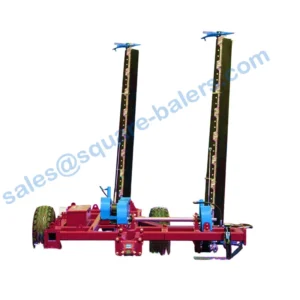
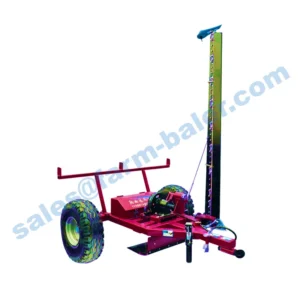
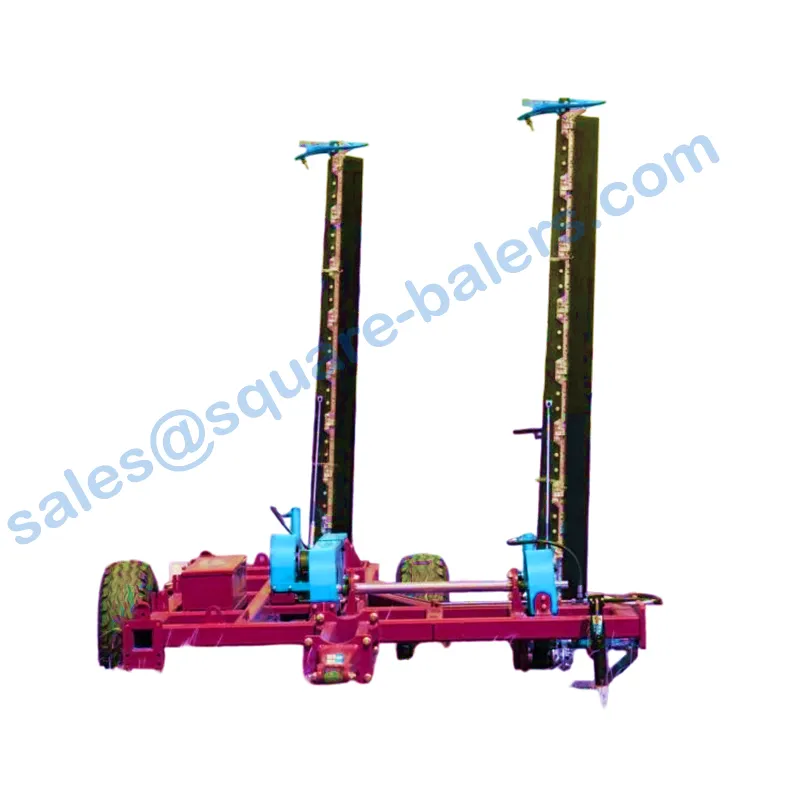
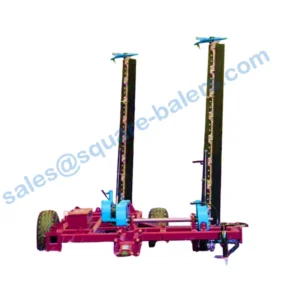
The 9GD-2.5 Traction Single-Blade Mower 9-1.0 represents a refined convergence of agricultural engineering, mechanical durability, and operational efficiency.Designed specifically for modern agricultural environments, where reliability and adaptability are paramount, this equipment is ideal for landowners, contractors, and agribusinesses seeking stable vegetation management. In the era of mechanized agriculture, precise cutting and low operator fatigue are decisive advantages.
As a single-blade mower optimized for tractor traction, this model perfectly combines robust construction with a streamlined mechanical design. It incorporates years of manufacturing experience and field feedback, resulting in a mower capable of consistently high efficiency across a variety of terrains and crop conditions.
Technical Specification
| Serial Number | Item | Unit | Specification |
|---|---|---|---|
| 1 | Structure Type | / | Reciprocating |
| 2 | Hitching Method | / | Towed Type |
| 3 | Model | / | 9GS-5.0 Type |
| 4 | Matching Power | kW | 20-30 |
| 5 | Cutting Width | m | 5 |
| 6 | Overall Dimension (L×W×H) | mm | 2800×5630×1500 |
| 7 | Operating Speed | km/h | 6~7 |
| 8 | PTO Speed | r/min | 540 |
| 9 | Side Output Shaft Speed | r/min | 1240 |
| 10 | Average Cutting Stubble Height | mm | 60-70 |
| 11 | Productivity | ha/h | 2.4-2.8 |
| 12 | Operator Count | person | 1 |
| 13 | Structural Weight | kg | 750 |
Product Definition
The 9GD-2.5 Traction Single-Blade Mower 9-1.0 is a tractor-towed agricultural mowing implement engineered to cut grass, weeds, and crop residues with a single high-strength rotating blade.Driven by the mechanical power transmission of a tractor, it achieves a wide cutting coverage and stable performance, suitable for medium to large-scale agricultural operations.
This single-blade agricultural mower is primarily used for stubble management, pasture maintenance, and farmland preparation, providing farmers with an economical, efficient, and durable mowing solution.
Problems It Solves and Core Applications
In agricultural operations, unmanaged vegetation and post-harvest residues can obstruct soil preparation, reduce planting efficiency, and harbor pests. The 9GD-2.5 Traction Single-Blade Mower addresses these challenges by delivering uniform cutting across wide swaths of land, reducing biomass volume and accelerating decomposition.
As a crop stubble harvester, it is particularly efficient after harvesting corn, wheat, and forage, helping farmers to efficiently clear fields while minimizing soil disturbance. Its towed design reduces operator fatigue and ensures continuous and stable stubble cutting even on uneven terrain.
Product Advantages
High Structural Integrity
Manufactured using reinforced steel frames and wear-resistant blade materials, the mower maintains dimensional stability under continuous load. This structural integrity reduces vibration, limits metal fatigue, and extends the operational lifespan even in abrasive field conditions.
Wide Cutting Efficiency
With an expansive working width, this Single-Blade Mower significantly reduces the number of passes required to complete a field. The result is lower fuel consumption, reduced tractor hours, and improved operational efficiency during peak agricultural seasons.
Low Maintenance Design
The simplified single-blade architecture minimizes moving parts, lowering the probability of mechanical failure. Routine maintenance tasks such as blade inspection and lubrication can be performed quickly, reducing downtime and labor costs.
Superior Traction Stability
The traction system ensures balanced weight distribution, enabling smooth towing behind tractors of compatible horsepower. This stability enhances cutting uniformity and reduces slippage on slopes or loose soil.
Versatile Field Adaptability
From pasturelands to post-harvest croplands, the mower adapts seamlessly to different vegetation densities. Its adjustable cutting height allows operators to tailor performance based on crop type and seasonal requirements.
Cost-Effective Operation
Compared with multi-blade or hydraulically complex alternatives, this grass cutting machine offers lower initial investment and reduced long-term operating costs without sacrificing cutting effectiveness.
Working Principle of the 9GD-2.5 Traction Single-Blade Mower 9-1.0
The working principle of the 9GD-2.5 traction single-blade mower for tractor is grounded in mechanical simplicity and torque efficiency. Power is transmitted from the tractor’s power take-off system through a drivetrain that converts rotational energy into blade motion.
When the lawnmower is towed, the single blade rotates at a preset speed, generating centrifugal force to stabilize its movement during operation. Vegetation is cut through direct impact and shearing force, while the mower casing controls the scattering of debris, ensuring safety and consistent operation.
This design answers a fundamental question: What is a towed single-blade lawnmower? It is a mechanically driven, tractor-powered cutting system that relies on traction rather than independent propulsion, thus ensuring energy efficiency and predictable performance.
Main Application Scenarios
Post-Harvest Field Cleaning
After grain or forage harvest, residual stalks can impede subsequent tillage. This mower efficiently processes crop residues, accelerating field turnover.
Pasture Maintenance
Livestock farms rely on regular pasture cutting to maintain forage quality. The mower ensures even grass height and encourages healthy regrowth.
Orchard Inter-Row Management
Between orchard rows, controlled vegetation prevents pest habitats while preserving soil moisture. The mower’s width and maneuverability suit such environments.
Roadside and Boundary Clearing
Agricultural boundaries and access roads require periodic clearing. This grass cutting machine handles dense weeds with minimal passes.
Fallow Land Management
Idle fields benefit from vegetation control to prevent invasive species. The mower maintains land readiness for future cultivation.
Large-Scale Contract Farming
Agricultural service providers value equipment reliability. The mower’s durability supports long operational cycles across multiple client sites.
How to Choose the Right 9GD-2.5 Traction Single-Blade Mower 9-1.0
Tractor Compatibility
Ensure that the tractor’s horsepower and PTO specifications align with the mower’s requirements. Proper matching prevents power loss and mechanical stress.
Field Size Considerations
Larger fields benefit most from the mower’s wide cutting width. Evaluate land area to optimize productivity.
Vegetation Density
Dense crop residues require robust blade material and adequate torque. Confirm blade specifications based on expected workloads.
Terrain Characteristics
Sloped or uneven terrain demands stable traction systems. Assess ground conditions before selecting this mower.
Maintenance Accessibility
Choose models with easily accessible lubrication points and blade mounts to simplify routine servicing.
Long-Term Operating Costs
Consider fuel efficiency, replacement parts availability, and maintenance frequency to evaluate overall cost-effectiveness.
Maintenance Methods
Regular maintenance is crucial for maintaining equipment performance. Blades should be inspected after each operating cycle to check for wear or imbalance. Lubricating bearings and joints minimizes performance degradation caused by friction.
Fasteners must be inspected regularly to ensure structural integrity. Seasonal storage requires thorough cleaning, rust prevention treatment, and moisture protection. Following these measures can significantly extend the equipment’s lifespan.
Customer Reviews
The 9GD-2.5 Traction Single-Blade Mower has become a dependable tool on our mixed grain farm. We use it mainly after corn harvest to deal with stalk residues, and it performs consistently across large plots. The single-blade system is surprisingly effective, and maintenance has been minimal over two seasons. Fuel usage dropped compared to our previous mower, which was an unexpected bonus. The build feels solid, and the traction behind our tractor is stable even on uneven ground.
– Michael Turner, United States
On our dairy farm, pasture management is critical. This single blade mower for agricultural use delivers clean cuts without shredding the grass excessively. The result is faster regrowth and healthier grazing areas. We appreciate the straightforward design because it means fewer breakdowns during peak seasons. Parts availability and after-sales support were also satisfactory.
– Lars Johansen, Denmark
As an agricultural contractor in Brazil, reliability determines profitability. The mower has handled long workdays clearing sugarcane residues and roadside vegetation. It performs well in humid conditions, and the blade shows limited wear despite heavy use. The traction system provides stability even on soft soil, which is crucial for our operations.
– Rafael Costa, Brazil
Our cooperative in Poland invested in this grass cutting machine for shared use among members. It adapts well to different tractors and field types. Farmers appreciate its simplicity and low operating cost. Training new operators was easy because the machine is intuitive and predictable.
– Anna Kowalska, Poland
In Australia, managing large paddocks requires durable equipment. The mower has proven effective in cutting tough grasses and clearing residues after harvest. It withstands high temperatures and dusty environments without performance loss. The overall value for money is strong.
– David Mitchell, Australia
Why Choose Our Product
Choosing our 9GD-2.5 Traction Single-Blade Mower means partnering with a manufacturer focused on performance, customization, and service excellence.We offer rapid customization to meet your specific operational needs, supported by an experienced technical team.
Each machine comes with a three-year warranty, ensuring worry-free and long-term reliable operation. Our global logistics network supports fast worldwide shipping, while our responsive after-sales service ensures uninterrupted operation.
In addition to this model, we also manufacture a full range of agricultural implements, spare parts, and accessories. Our production facilities adhere to strict quality standards, guaranteeing reliable performance at highly competitive prices. Explore the powerful capabilities of this single-blade lawnmower and contact us today to enhance your field efficiency.
Frequently Asked Questions
1. What is a traction single-blade mower and how does it differ from other mowers?
A traction single-blade mower is a tractor-towed grass cutting machine that relies on the pulling force of the tractor and PTO-driven rotation to operate a single heavy-duty blade. Unlike multi-blade or self-propelled mowers, it features a simplified mechanical structure with fewer moving parts. This design reduces maintenance complexity and operating costs while maintaining strong cutting performance. It is especially suitable for agricultural fields, pastures, and crop residue management where durability and efficiency are prioritized over fine turf aesthetics.
2. What types of vegetation can the 9GD-2.5 traction single-blade mower for tractor handle?
The 9GD-2.5 traction single-blade mower for tractor is designed to cut a wide range of vegetation, including natural grass, weeds, thick stalks, and post-harvest crop residues such as corn and wheat stubble. As a crop residue mower, it performs well in both dry and moderately moist conditions. However, it is not intended for woody shrubs or tree branches. Proper matching of blade condition and tractor power ensures optimal performance across varying vegetation densities.
3. Is this single blade mower for agricultural use compatible with all tractors?
This single blade mower for agricultural use is compatible with most standard agricultural tractors that meet the required PTO speed and horsepower range. Compatibility depends on factors such as tractor power output, hitch configuration, and traction capacity. Before purchase, operators should confirm that their tractor specifications align with the mower’s operational requirements. Proper matching not only improves cutting efficiency but also prevents premature wear on both the mower and tractor.
4. How does the mower perform on uneven or sloped terrain?
Thanks to its traction-based design and balanced weight distribution, the mower maintains stable contact with the ground on moderately uneven or sloped terrain. This stability allows the single blade to maintain a consistent cutting height, reducing missed patches or uneven results. While it performs well on agricultural land contours, extremely steep slopes or rocky surfaces should be approached cautiously to avoid mechanical stress or safety risks.
5. What maintenance routine is recommended for long-term use?
Routine maintenance includes regular blade inspection, lubrication of bearings, tightening of fasteners, and cleaning after each working cycle. As a mechanically simple grass cutting machine, the mower does not require complex servicing. Seasonal maintenance should include rust prevention and proper storage. Following a consistent maintenance schedule helps extend the service life and ensures stable cutting performance during peak agricultural seasons.
6. How fuel-efficient is this Single-Blade Mower during operation?
Fuel efficiency is one of the key advantages of this Single-Blade Mower. Its wide cutting width reduces the number of passes required per field, lowering overall tractor operating hours. The simplified drivetrain also minimizes power loss. Compared with more complex mowing systems, operators often experience reduced fuel consumption while maintaining effective residue and grass management across large agricultural areas.
7. Can this mower be used for pasture management?
Yes, the mower is well suited for pasture management. It delivers even cutting that helps control overgrown grass and encourages uniform regrowth. Unlike fine lawn equipment, this mower focuses on functional agricultural results rather than aesthetic precision. It is ideal for livestock farms where maintaining forage quality and accessibility is more important than achieving a manicured appearance.
8. What safety considerations should operators be aware of?
Operators should always ensure that protective shields are in place and that the blade area is clear of bystanders before operation. Regular inspection for loose components is essential. As with any tractor-mounted or towed equipment, adherence to standard agricultural safety practices significantly reduces operational risks. Proper training and awareness are especially important when working near field boundaries or roads.
9. How durable is the blade under heavy agricultural workloads?
The blade is manufactured from wear-resistant steel designed to withstand repeated impact with dense grass and crop residues. Under normal agricultural use, blade wear is gradual and predictable. Regular inspection ensures timely sharpening or replacement. Durability may vary depending on soil conditions, presence of stones, and cutting frequency, but overall blade life is optimized for demanding field operations.
10. Is the mower suitable for commercial agricultural contractors?
Yes, commercial contractors often choose this mower due to its reliability, low maintenance demands, and adaptability across multiple field types. The robust frame and traction stability support long working hours, making it suitable for service providers handling diverse client requirements. Its straightforward design also reduces downtime, which is critical in contract-based agricultural operations.
11. How does it function as a crop residue mower after harvest?
As a crop residue mower, it efficiently cuts and distributes leftover stalks and plant material after harvest. This process improves field cleanliness, supports faster residue decomposition, and prepares the soil for subsequent tillage or planting. By reducing residue height and density, it also helps minimize pest habitats and enhances overall field management efficiency.
12. Can cutting height be adjusted for different applications?
Yes, cutting height can be adjusted to accommodate different vegetation types and operational goals. Lower settings are suitable for residue clearance, while higher settings are preferred for pasture maintenance. Proper adjustment ensures optimal blade engagement, reduces unnecessary stress on the equipment, and improves overall cutting consistency across varying field conditions.
13. What makes this mower suitable for long-term agricultural investment?
Its durable construction, low operating costs, and broad application range make it a practical long-term investment. The mower’s simple mechanical structure reduces repair frequency, while the availability of spare parts supports extended use. For farms focused on sustainable cost control and operational reliability, it offers a strong balance between performance and ownership cost.
14. How does this mower support large-scale field operations?
Large-scale operations benefit from the mower’s wide cutting coverage and stable traction. Fewer passes per field translate into time savings and reduced labor input. The mower’s consistent performance across large plots ensures predictable results, which is essential for planning and executing seasonal agricultural tasks efficiently.
15. Where does this mower fit within modern agricultural mechanization?
This mower represents a practical component of modern agricultural mechanization, focusing on reliability, efficiency, and functional performance. While advanced systems exist, many farms prioritize equipment that delivers dependable results with minimal complexity. In this context, the mower remains a relevant and effective solution for vegetation and residue management worldwide.
edit by gzl